Category: Health and Wellness - Page 2

Learn how to travel safely with medications in 2026-covering TSA rules, international bans, storage tips for insulin, refills abroad, and what to do if your meds get confiscated. Essential for anyone with chronic conditions.

If you're on blood thinners and suffer a head injury, even a minor one, you need immediate medical evaluation. Delayed brain bleeds are common and dangerous. Here's when to get a CT scan and what to do next.

Learn how to recognize and manage immune-related adverse events (irAEs) caused by cancer immunotherapy. From early symptoms to steroid protocols and second-line treatments, this guide covers what patients and caregivers need to know.

Heart valve diseases like stenosis and regurgitation are common but often missed. Learn how they affect blood flow, the symptoms to watch for, and modern treatments like TAVR and MitraClip that restore quality of life.

Diabetic ketoacidosis is a life-threatening emergency with clear warning signs like extreme thirst, vomiting, and fruity breath. Learn how hospitals treat it with fluids, insulin, and careful monitoring - and how to prevent it before it’s too late.

Senior patient education materials must be simple, visual, and tested with older adults to work. Learn what makes them effective, where to find free trusted resources, and how to use teach-back to ensure understanding.

Learn how to spot dangerous medication advice on social media, avoid scams, and protect your health with simple verification steps backed by CDC, FDA, and medical experts.

Learn how to stay healthy while traveling with essential advice on vaccines, malaria prevention, and safe food practices. Avoid common illnesses like hepatitis A and travelers' diarrhea with proven, science-backed strategies.

Traveling with blood thinners is safe if you plan ahead. Learn how to manage DOACs and warfarin abroad, stay hydrated, move during flights, avoid risks, and what to do in an emergency.
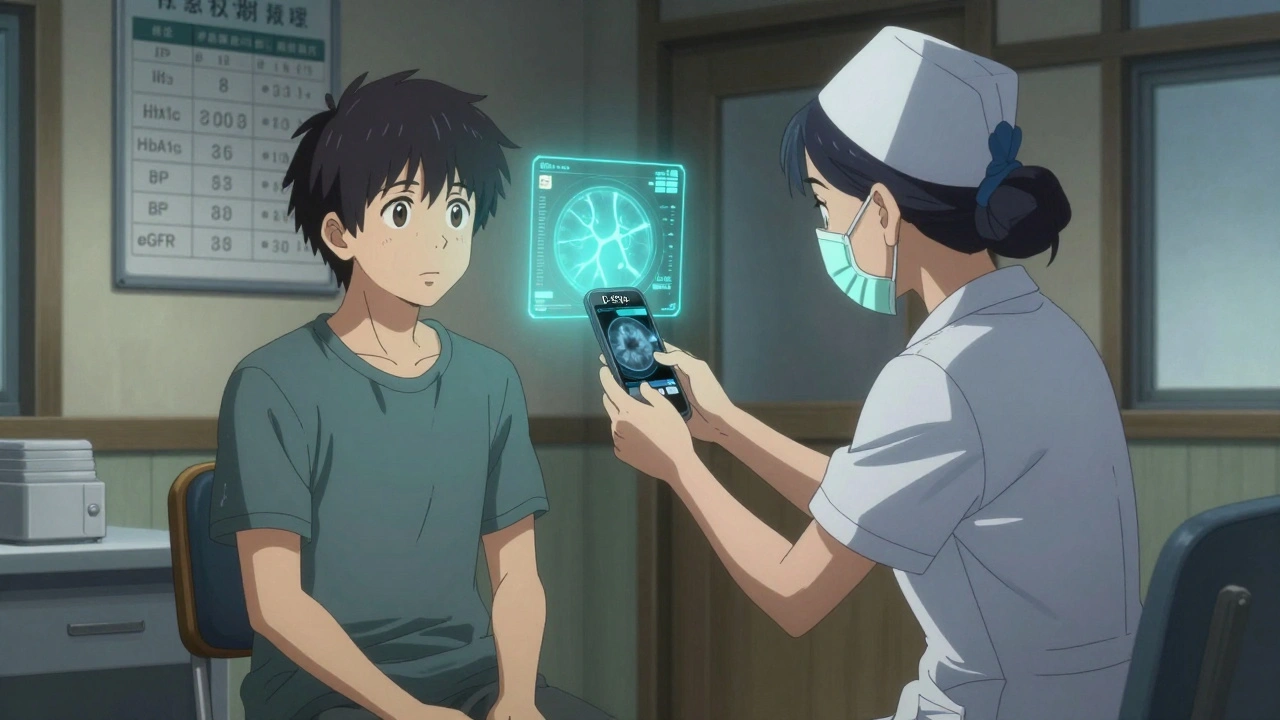
Diabetic retinopathy is the leading cause of preventable blindness in adults. Learn the latest screening intervals based on risk, what treatments actually work, and how to protect your vision with better blood sugar and blood pressure control.