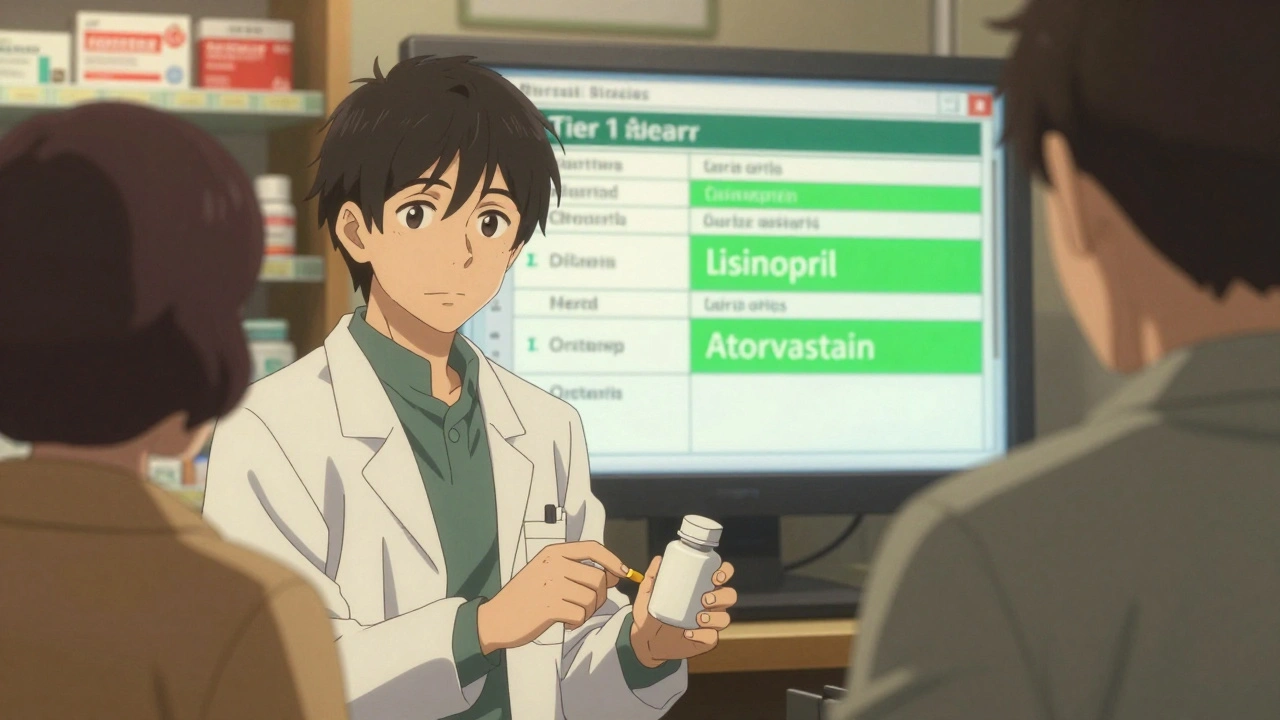
Generic Drugs: What They Are, How They Work, and What to Watch For
When you hear generic drugs, medications that contain the same active ingredients as brand-name drugs but are sold under their chemical name. Also known as generic medications, they are required by the FDA to work the same way in your body as the original brand, at a fraction of the cost. But here’s the thing: just because they’re chemically identical doesn’t mean they feel identical to everyone. Many people report differences in how they respond after switching — not because the active ingredient changed, but because of fillers, coatings, or how fast the pill breaks down in your stomach.
That’s where FDA approval, the process that ensures generic drugs meet strict standards for strength, purity, and performance comes in. The FDA doesn’t just look at the main ingredient — they check how the drug dissolves, how stable it is over time, and whether it delivers the same effect in real patients. But approval doesn’t mean every batch or every manufacturer behaves the same. Some generics use different binders or coatings that can affect absorption, especially for drugs with a narrow therapeutic window — like warfarin, thyroid meds, or seizure drugs. That’s why drug safety, the ongoing monitoring of how medications perform after they hit the market matters more after you switch. You might not notice anything at first, but over weeks or months, small changes in blood levels can add up.
And then there’s the cost. medication cost, a major factor in whether people take their prescriptions as directed is why generics exist. But saving money shouldn’t mean risking your health. If you’ve switched and started feeling off — more fatigue, worse symptoms, new side effects — don’t just assume it’s "in your head." Track it. Talk to your pharmacist. Ask if your pharmacy switched suppliers. Keep the same brand if it works for you, even if it costs more. Some insurers let you pay the difference to stay on one that works. And if you’re buying online? Check packaging. Counterfeit drugs are real, and they don’t always look fake.
Below, you’ll find real patient experiences and expert breakdowns on what to watch for after switching to generics — from insulin adjustments to statin interactions, from counterfeit packaging to long-term effects. These aren’t theoretical guides. They’re based on actual cases, lab results, and what people have learned the hard way. Whether you’re saving on blood pressure meds, thyroid pills, or antibiotics, this collection gives you the tools to spot the red flags and stay in control — without overpaying or guessing.