Category: Medications - Page 2
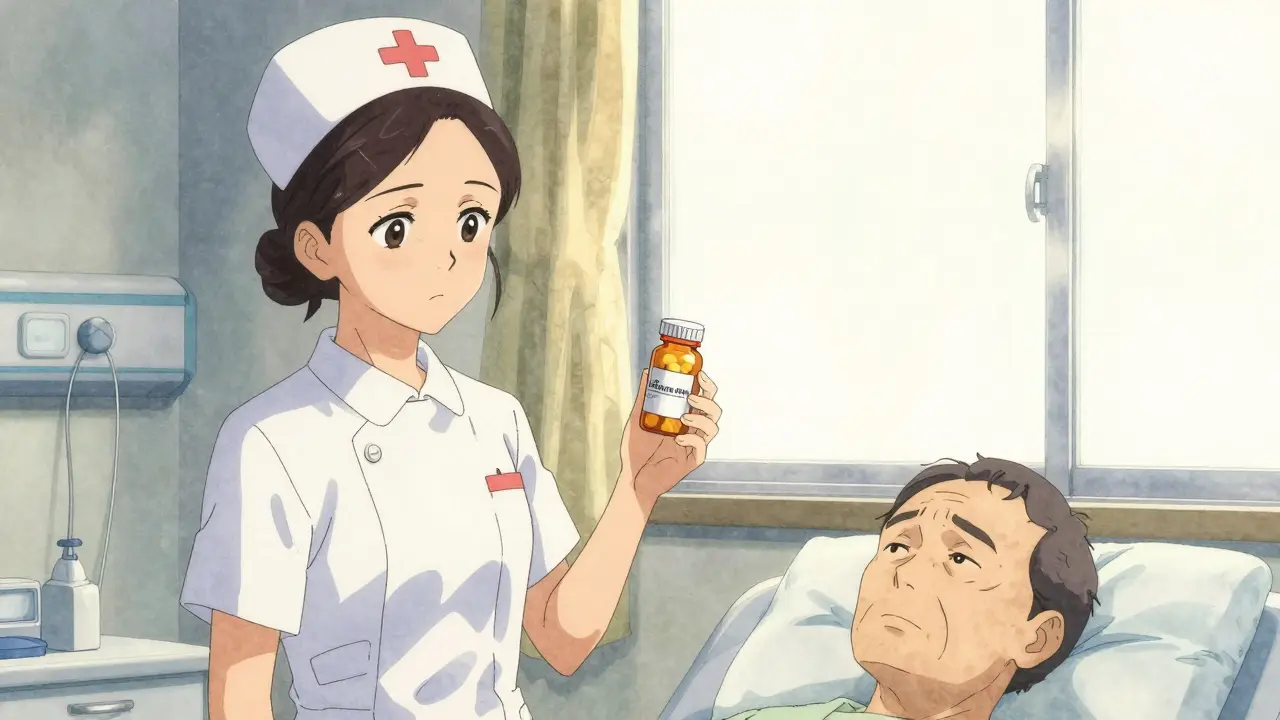
Nurses play a vital role in helping patients understand that generic medications are just as effective as brand-name drugs. Through clear communication, teach-back methods, and trusted resources like the FDA Orange Book, nurses improve adherence and prevent dangerous misunderstandings.
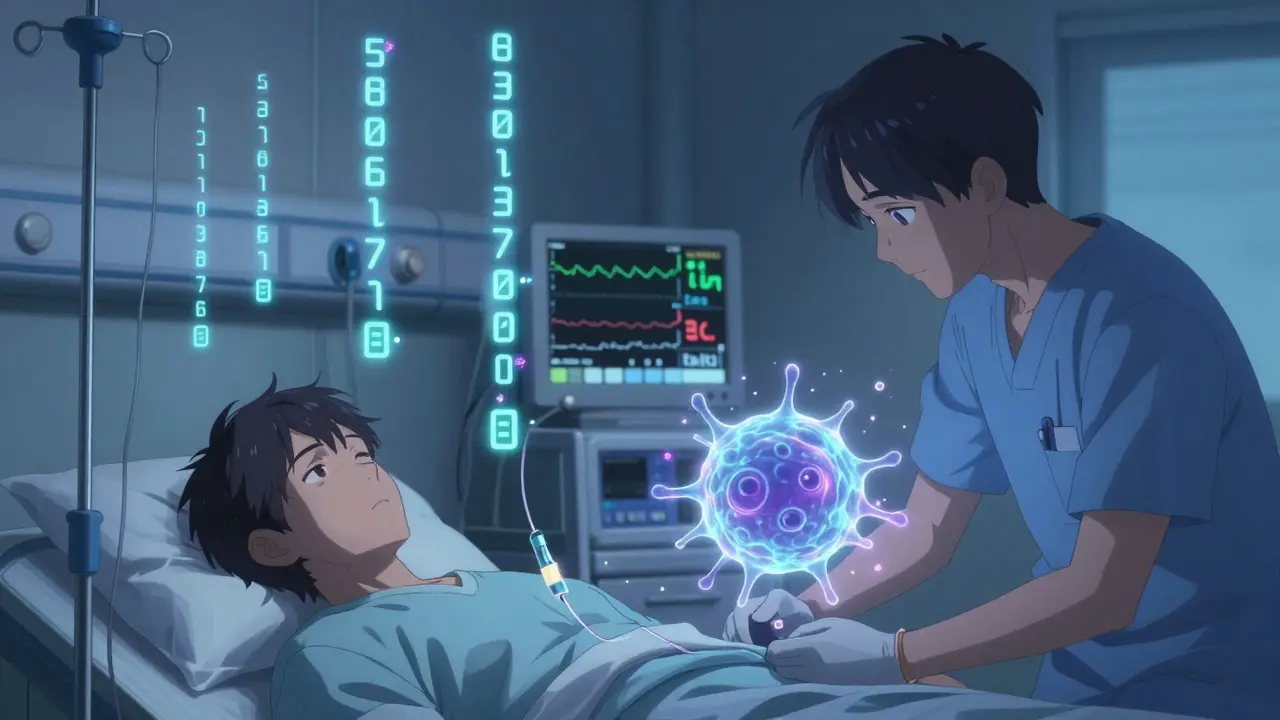
Penicillin desensitization is a safe, medically supervised method to allow allergic patients to receive life-saving penicillin therapy. Learn how it works, who qualifies, and why it's critical in fighting antibiotic resistance.
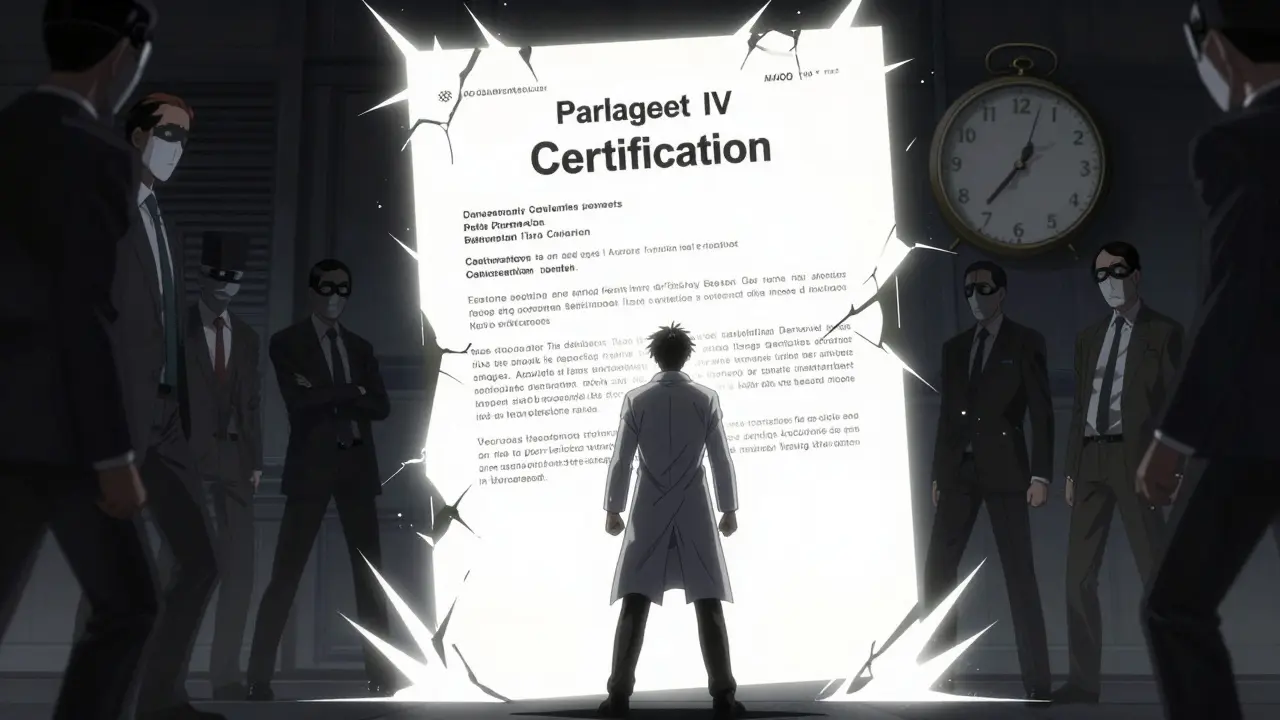
Paragraph IV certification under the Hatch-Waxman Act lets generic drugmakers challenge brand patents before they expire, speeding up affordable drug access. Learn how it works, why it succeeds, and how big pharma fights back.
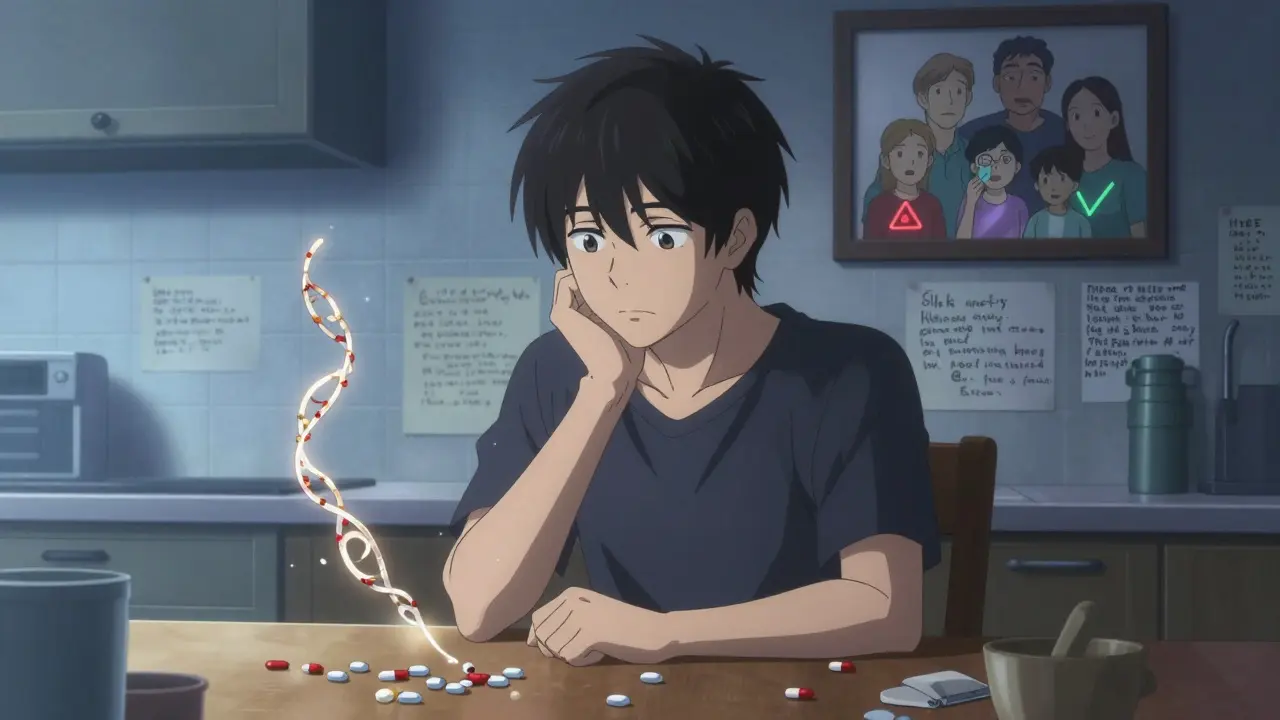
Your family history and genes can change how you respond to generic drugs-even if they're chemically identical to brand names. Learn how pharmacogenetics affects drug metabolism and what steps you can take now.
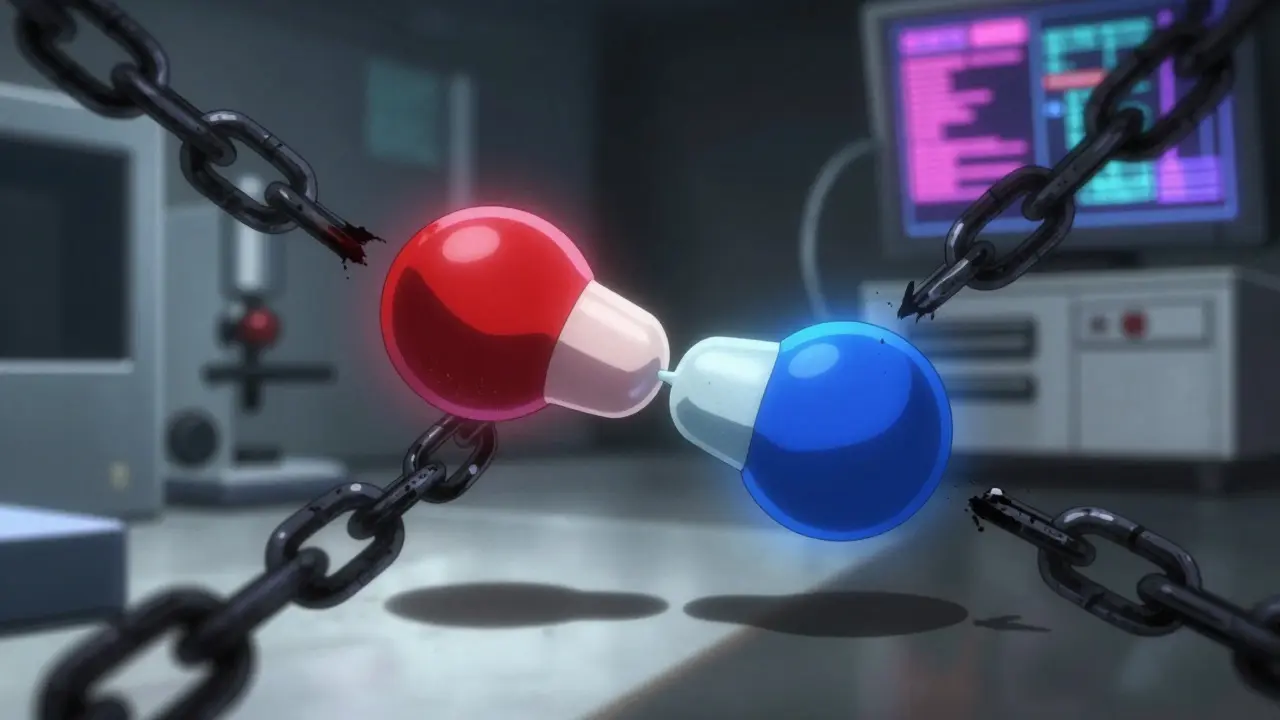
Bioequivalence testing for combination products like fixed-dose combos, topical creams, and inhalers faces major scientific and regulatory hurdles. Learn why generics for these drugs take years to approve - and what’s being done to fix it.

Explains when doctors prescribe brand-name drugs instead of generics. Covers medical necessity, cost differences, and patient considerations. Learn how to discuss options with your healthcare provider.
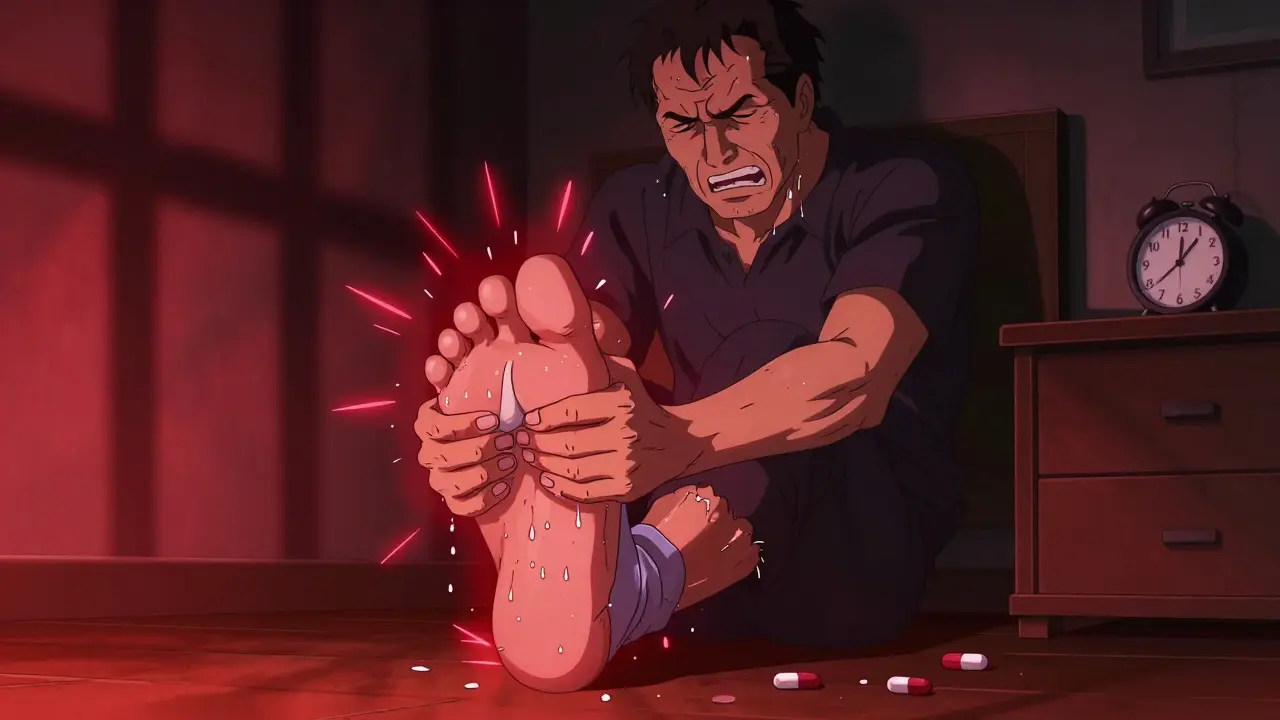
Learn how colchicine, NSAIDs, and steroids compare for treating gout flares. Find out which option is safest and most effective based on your health profile and comorbidities.
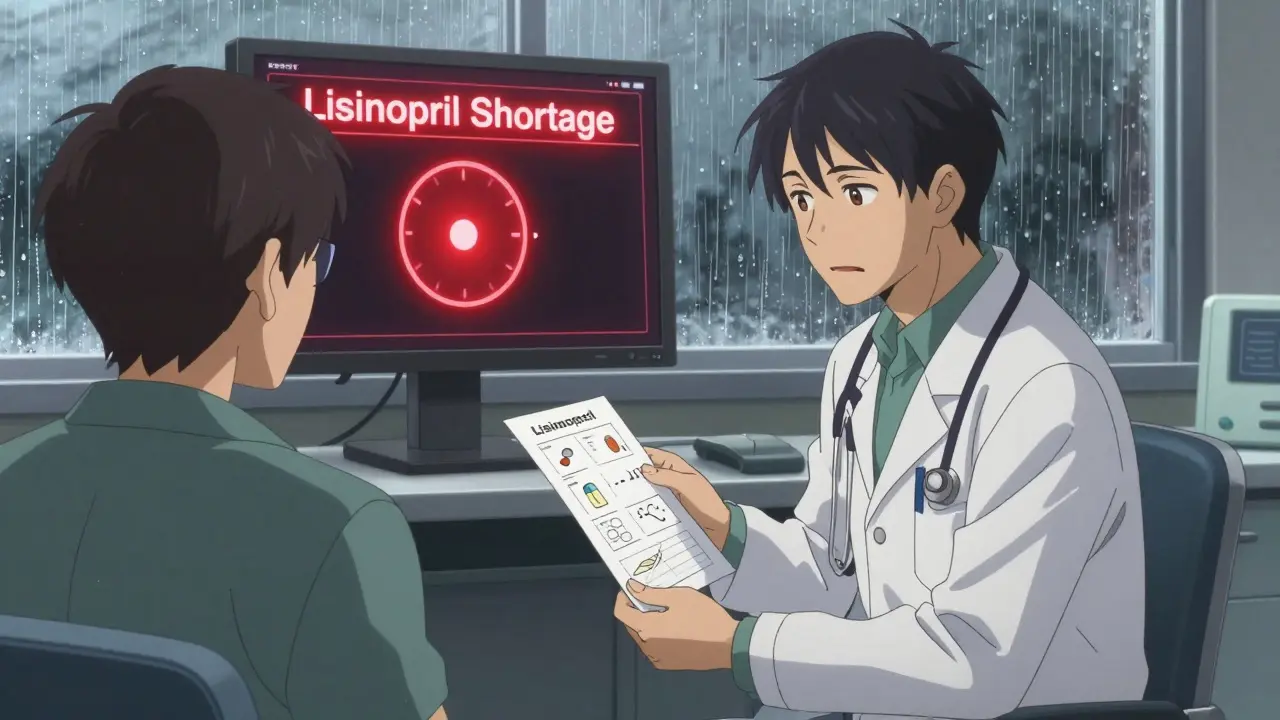
When drugs run out, patients need clear, honest communication-not silence. Providers must explain why a medication is unavailable, offer safe alternatives, and give a timeline. Poor communication leads to anxiety, mistrust, and treatment failure.
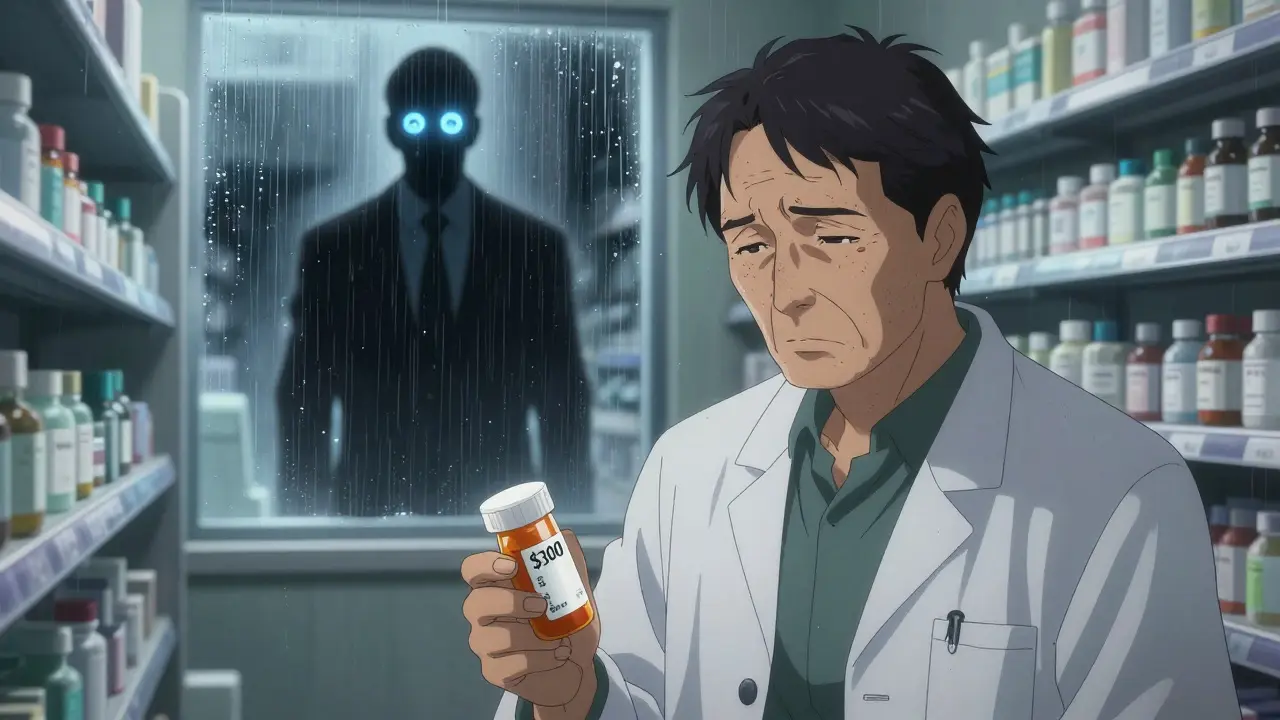
Americans pay up to 10 times more for the same prescription drugs than other wealthy countries. This isn't an accident-it's how the system was built. Here's why drug prices keep rising and what's being done to fix it.
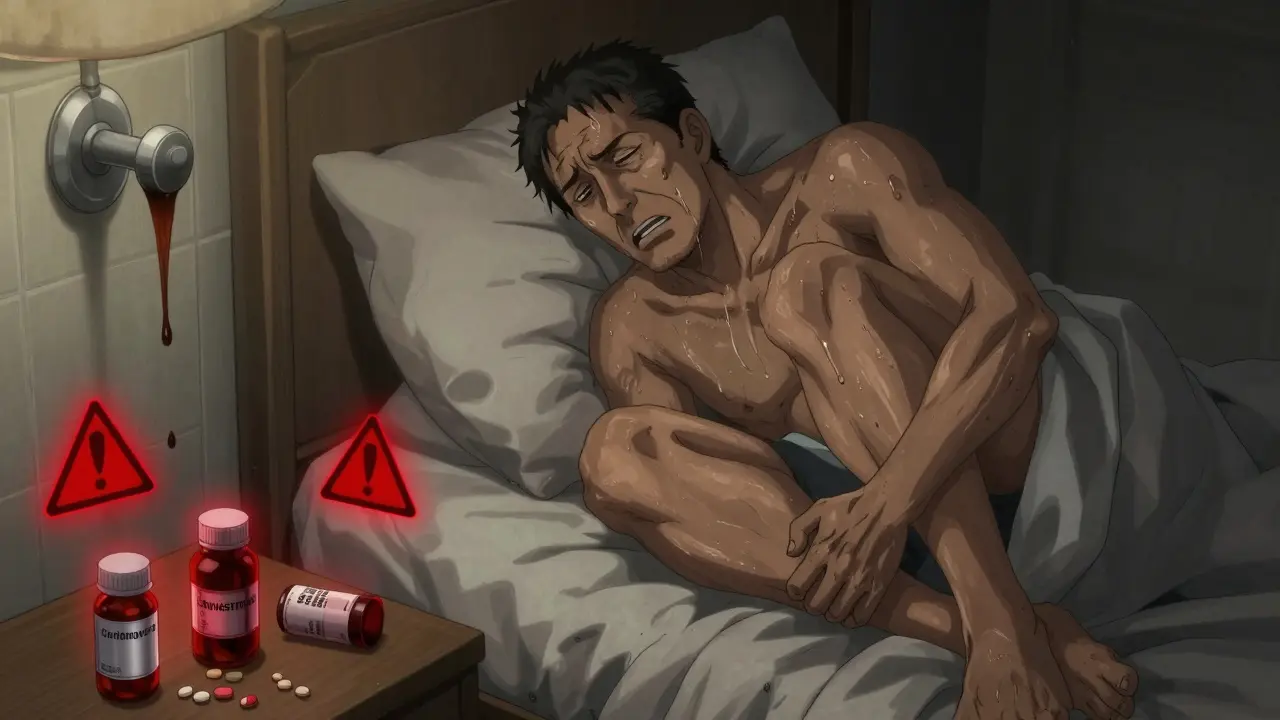
Rhabdomyolysis from medication interactions can cause sudden muscle breakdown and kidney failure. Learn which drug combos are dangerous, who’s at risk, and how to prevent this life-threatening condition.