Medication Safety: Avoid Dangerous Interactions and Protect Your Health
When you take a medication, a substance used to treat, cure, or prevent disease. Also known as prescription drug, it can save your life—but only if you use it right. Too many people assume that if a doctor prescribed it, it’s automatically safe. But medication safety isn’t just about dosage. It’s about what you mix it with, how your body changes over time, and whether you even know what’s in the bottle.
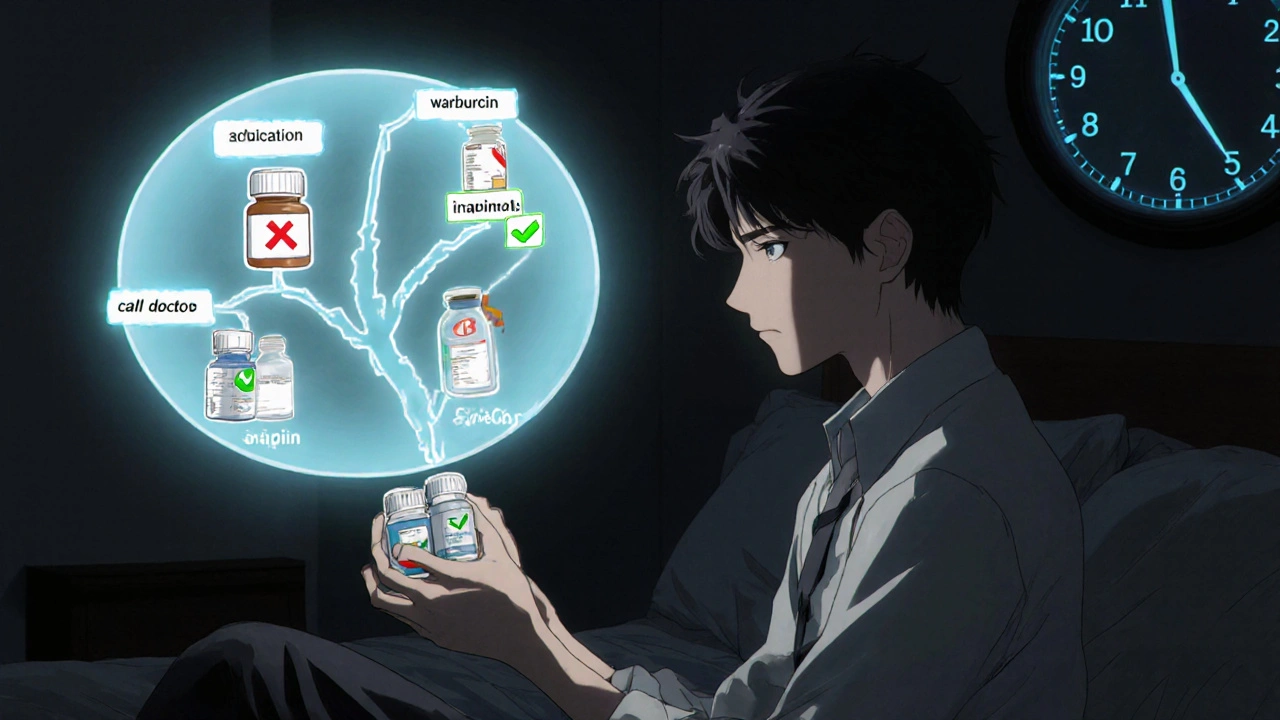
Take drug interactions, when two or more substances affect each other’s behavior in your body. Caffeine can mess with your thyroid meds. St. John’s wort can make birth control useless. Clarithromycin can turn your statin into a muscle-damaging bomb. These aren’t rare edge cases—they happen every day, often because no one asked the right questions. And it’s not just prescriptions. supplement safety, how herbal and vitamin products interact with medicines is a blind spot for most people. Ginkgo with blood thinners? Dangerous. Calcium with antibiotics? Waste of money. You don’t need to memorize every combo—you just need to know how to check.
Then there’s the stuff no one talks about: statin side effects, muscle pain, fatigue, and liver issues linked to cholesterol drugs. Turns out, most of these aren’t from the drug itself—they’re from fear. The nocebo effect tricks your brain into feeling pain before the pill even hits your stomach. And if you’re on long-term proton pump inhibitors, your bones might be paying the price. Or if you’re using generic meds, how do you know you’re not holding a fake? counterfeit drugs, fake medications sold as real are a growing problem, especially online. Packaging, labels, and even batch numbers matter more than you think.
This isn’t about scaring you. It’s about giving you control. The posts here cut through the noise. You’ll find real talk on how to restart a statin safely, what to do if you’re bleeding unexpectedly, how to spot a fake pill, and why your parsnip supplement might be safer than your multivitamin. You’ll learn what to ask your pharmacist before you walk out the door, how to use the brown bag method to catch hidden risks, and why your holiday party could be making your bladder act up. These aren’t theory pieces. They’re field guides for real people managing real meds in a messy, complicated system.
What you’re about to read isn’t just information—it’s your armor. Because when it comes to your health, knowing what to avoid is just as important as knowing what to take.