Brand Name Drugs: What They Are, Why They Cost More, and What You Need to Know
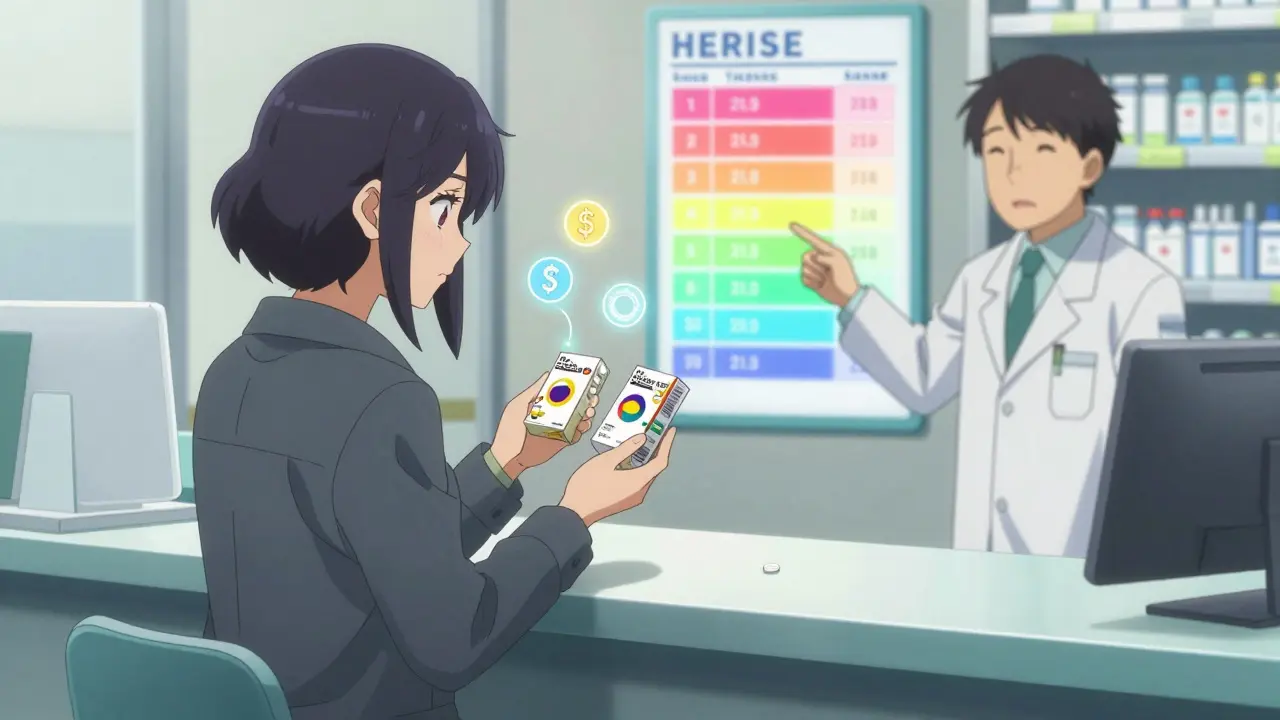
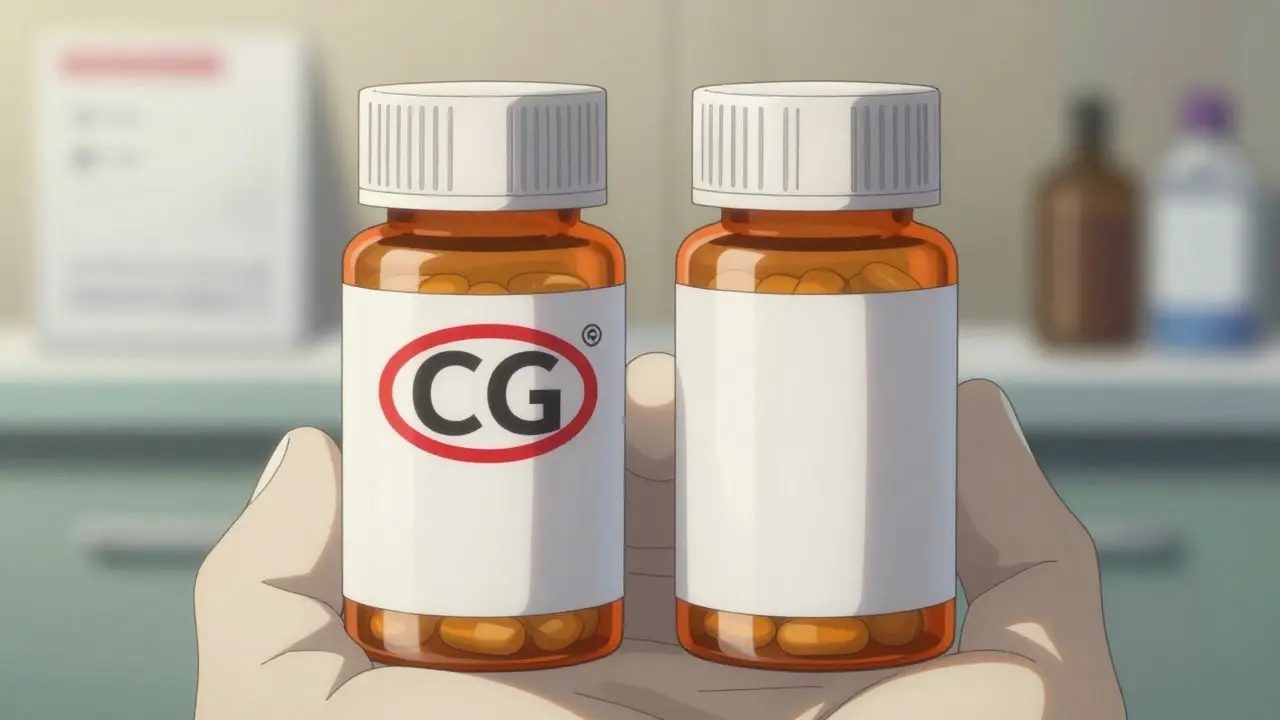
When you hear brand name drugs, the original versions of medications developed and marketed by pharmaceutical companies under a proprietary name. Also known as originator drugs, they’re the first to hit the market after years of research and clinical trials. These aren’t just different labels—they’re the foundation of how modern medicine gets approved, priced, and prescribed. But here’s the thing: once the patent runs out, the exact same chemical becomes a generic medication, a bioequivalent version produced after the original patent expires. Also known as generic drugs, they work the same way, cost a fraction, and are held to the same FDA standards. So why do doctors still write prescriptions for the expensive version? And why do some people swear their brand name pill works better?
The answer isn’t always science. pharmaceutical patents, legal protections that give companies exclusive rights to sell a drug for 20 years. Also known as drug patents, they’re the reason you pay $200 for a 30-day supply of a pill that costs $2 to make after generics arrive. Companies use that time to recoup R&D costs—and build brand loyalty. Marketing plays a huge role too. You’ve seen the ads: calm families, sunny mornings, smiling patients. That’s not just advertising—it’s emotional conditioning. Meanwhile, medication alternatives, other treatment options including generics, biosimilars, or even lifestyle changes. Also known as drug substitutes, they’re often overlooked because the brand name feels safer—even when it’s not. Studies show most people don’t notice a difference between brand and generic. But if you’ve had a bad experience switching, your body might be reacting to the fillers, not the active ingredient.
That’s why the posts here don’t just talk about price. They dig into real-world problems: when switching to a generic might cause issues, how to verify your pills are real, why some people can’t tolerate generics even if they’re chemically identical, and how patent litigation delays cheaper options from reaching shelves. You’ll find guides on managing side effects, spotting counterfeit packaging, and understanding how drug interactions change when you switch brands. This isn’t about picking sides—brand vs. generic. It’s about knowing what you’re taking, why it costs what it does, and how to make sure it actually works for you.