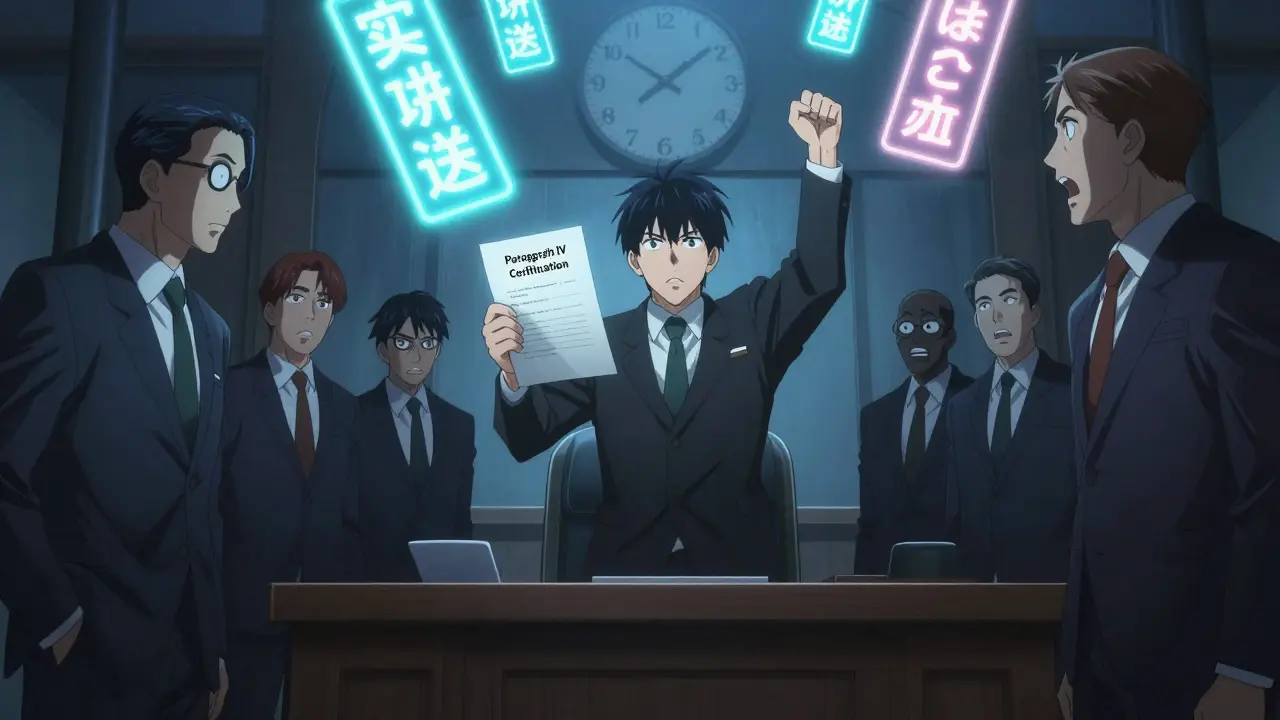
When a brand-name drug’s patent is about to expire, the race to bring out the first generic version isn’t just about speed-it’s about money. And the prize? 180 days of exclusive market access-no competitors allowed. This isn’t a loophole. It’s a deliberate part of U.S. drug law, written into the Hatch-Waxman Act of 1984. The goal? Make cheaper drugs available faster. But the system has become anything but simple.
How the 180-Day Exclusivity Rule Works
The U.S. Food and Drug Administration (FDA) doesn’t just approve generic drugs the moment a patent expires. There’s a filing process, and only one company gets the head start: the first to submit an Abbreviated New Drug Application (ANDA) with a Paragraph IV certification. That’s a legal notice saying, "I believe this patent is invalid or I won’t break it."
That’s the trigger. Once that first filing happens, the FDA locks out all other generic applicants for 180 days. During that time, even if another company has a perfectly good generic ready to go, the FDA can’t approve it. The first filer gets to be the only one selling the generic-no competition, no price drops from rivals. They own the market.
Why? Because the law was designed to reward risk. Challenging a patent isn’t cheap. It can cost $5 million to $10 million in legal fees, patent analysis, and litigation. Many brand-name drug companies fight back hard. The first filer might face years of court battles. So the 180-day exclusivity is the reward for taking that gamble.
When Does the Clock Start?
Here’s where things get messy. The 180 days don’t always start when the generic hits pharmacy shelves. According to FDA guidance from 2017, the clock begins on the earlier of two events:
- The day the first generic company starts selling the drug (commercial marketing), or
- The day a court rules the patent is invalid, unenforceable, or won’t be infringed.
That second point is the problem. A company can win a court case in 2024, get the green light legally, but wait until 2026 to start selling. Meanwhile, no other generic can enter. The 180-day clock is ticking-so the exclusivity period is used up-but the drug stays expensive because no one else can sell a cheaper version.
This is called a "paper generic." The company has the legal right to sell-but chooses not to. And by doing nothing, they block everyone else. According to IQVIA data, about 45% of first filers since 2010 either delayed their launch or never launched at all. The result? Generic competition was blocked for an average of 27 months longer than intended.
Who Benefits-and Who Gets Screwed
The first filer can make a fortune. During those 180 days, they often capture 70% to 80% of the generic market. Teva’s generic version of Copaxone, launched in 2015, made $1.2 billion in sales during its exclusivity window. That’s not an outlier. It’s a pattern.
But the public pays the price. When the first filer delays, patients keep paying brand-name prices. Medicare and Medicaid overpay. Insurance premiums rise. The FDA estimates that these delays cost the healthcare system billions each year.
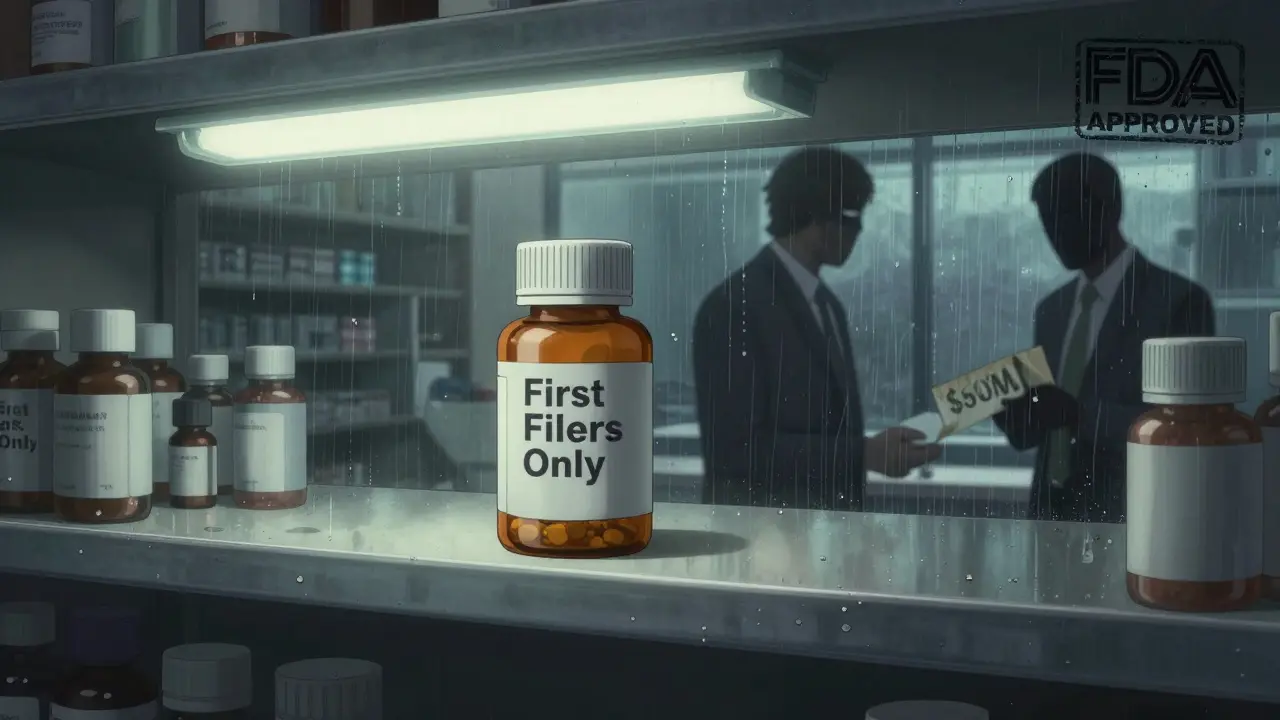
Even worse, brand-name companies have learned to game the system. They’ll pay the first filer millions to delay-what’s called a "reverse payment settlement." In one Reddit post from a former pharma exec, a company admitted they paid $50 million to keep a generic off the market for 18 months. That’s cheaper than losing 100% of your sales overnight.
And then there’s the "authorized generic" trick. The brand company launches its own generic version during the exclusivity period-same drug, same factory, same label. It’s not a real competitor. It’s the brand in disguise. Consumers get no real price drop. The brand keeps control. The system is broken.
Why the System Is Being Changed
The FDA has been clear: the current rule isn’t working. In 2022, the agency proposed a major fix. The new idea? The 180-day clock should only start when the generic is actually sold. Not when a court rules. Not when the paperwork is filed. When it hits the shelves.
This would end the "paper generic" loophole. If a company wins a court case but doesn’t sell, the exclusivity doesn’t start. Other companies can move in. That’s how it should be.
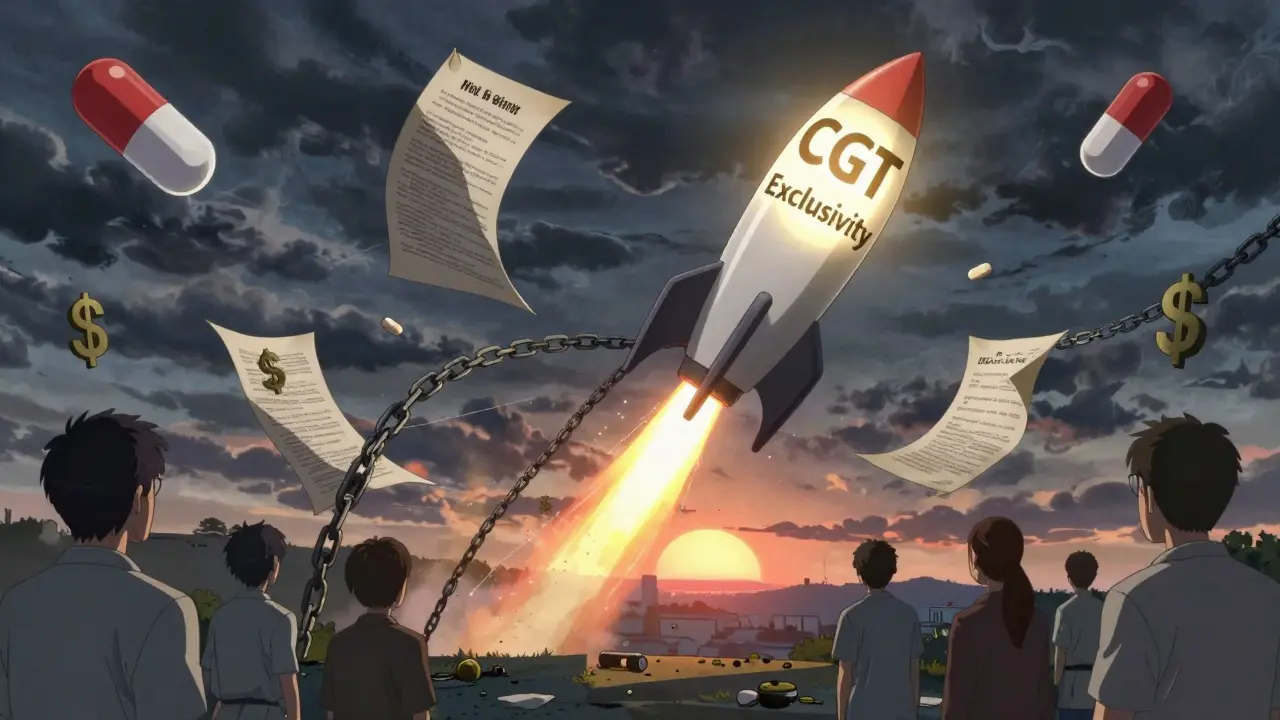
The proposed change is part of a broader push called Competitive Generic Therapy (CGT) exclusivity, created in 2017. Unlike the old system, CGT exclusivity only triggers with actual market entry. No court win? No exclusivity. Simple. Fair. Effective.
But the drug industry is pushing back. PhRMA argues that changing the rule will discourage companies from challenging patents at all. They say it’s the "linchpin" of generic competition. But the FTC and Congressional Budget Office say the opposite-that the current system is a $13 billion drain on public health over ten years.
Who Can Even Play This Game?
It’s not easy. Only big generic manufacturers have the resources. Teva, Mylan (now Viatris), and Sandoz file 65% of all Paragraph IV challenges. Small companies? They rarely try. The legal costs are too high. The FDA rejects 37% of Paragraph IV filings because of technical errors. One mistake in the filing, and you’re out.
Law firms charge $1,200 to $1,800 an hour just to navigate the rules. You need patent lawyers, FDA regulators, and litigators all working in sync. It’s not a business for startups. It’s a high-stakes chess match between billion-dollar companies.
What’s Next?
The 180-day exclusivity rule was meant to speed up access to cheap drugs. But over time, it became a tool for delay. The FDA’s proposed reform-tying exclusivity to actual sales-is the clearest path forward. If it passes, we could see 40 to 50 more generic drugs enter the market each year, saving consumers $1.2 billion to $1.8 billion annually.
For patients, it means lower prices sooner. For pharmacies, it means more options. For taxpayers, it means less money spent on brand-name drugs that should’ve gone generic years ago.
The system isn’t broken because it’s flawed. It’s broken because it was exploited. Fixing it won’t be easy. But if we want generics to work the way they were supposed to-fast, fair, and affordable-we have to close the loopholes.
What is a Paragraph IV certification?
A Paragraph IV certification is a legal statement filed by a generic drug company with its ANDA, claiming that a brand-name drug’s patent is either invalid, unenforceable, or won’t be infringed by the generic version. This certification is required to trigger the 180-day exclusivity period under the Hatch-Waxman Act.
Can multiple companies file on the same day?
Yes. If two or more companies submit substantially complete ANDAs with Paragraph IV certifications on the same day, they can share the 180-day exclusivity period. This has become common practice, with about 60% of filings now involving multiple applicants filing simultaneously.
Why does the FDA reject so many Paragraph IV filings?
The FDA rejects about 37% of Paragraph IV certifications because of technical errors-like incomplete data, incorrect patent listings, or failure to meet FDA formatting rules. The system is complex, and even small mistakes can disqualify an applicant. Only experienced firms with legal and regulatory teams can navigate it reliably.
What’s the difference between 180-day exclusivity and CGT exclusivity?
Traditional 180-day exclusivity can start with a court decision-even if the generic isn’t sold. CGT exclusivity, introduced in 2017, only starts when the drug is actually marketed. This prevents companies from "hoarding" exclusivity without selling. CGT is simpler, fairer, and designed to prevent delays.
Do reverse payment settlements still happen?
Yes. Brand companies still pay generic manufacturers to delay their entry. The FTC estimates these deals cost consumers $3.5 billion per year. While some are now banned under court rulings, others still occur under the guise of "licensing agreements" or "distribution deals," making them hard to detect and stop.




Sean Callahan
March 7, 2026 AT 09:02phyllis bourassa
March 8, 2026 AT 13:54Ferdinand Aton
March 10, 2026 AT 02:43William Minks
March 10, 2026 AT 23:47Jeff Mirisola
March 11, 2026 AT 23:39Susan Purney Mark
March 12, 2026 AT 12:19Amina Aminkhuslen
March 14, 2026 AT 07:57amber carrillo
March 15, 2026 AT 12:37