Statin Side Effects: What You Need to Know Before Taking Cholesterol Medication
When you take a statin, a class of drugs used to lower LDL cholesterol and reduce heart attack risk. Also known as HMG-CoA reductase inhibitors, they’re among the most prescribed medications in the world—but they’re not harmless. Millions of people use them safely, but a surprising number don’t know what to watch for. That’s why understanding statin side effects isn’t just helpful—it’s life-saving.
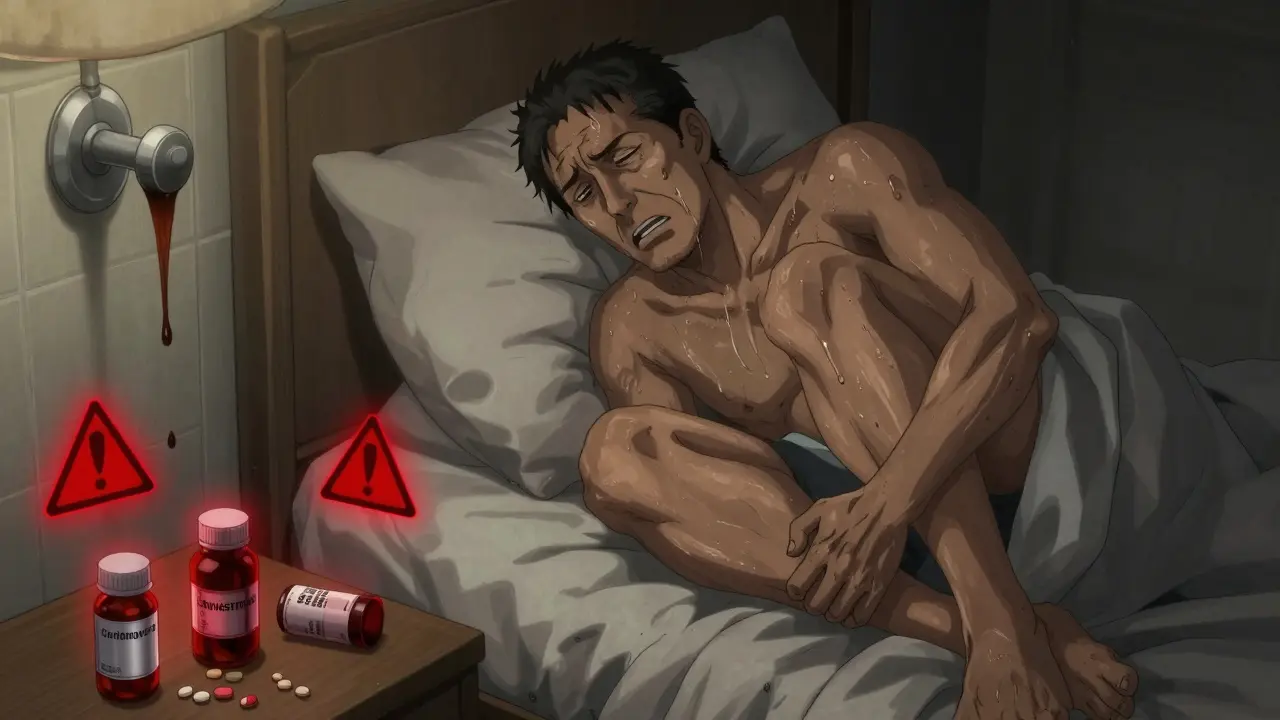
One of the most common complaints? muscle pain, a dull ache or weakness that often shows up in the thighs, shoulders, or back. This isn’t just "getting older." It’s a real signal from your body. Studies show up to 10% of people on statins report muscle discomfort, and for some, it’s bad enough to stop the drug. But here’s the catch: if your pain is severe, accompanied by dark urine or extreme fatigue, it could be rhabdomyolysis—a rare but dangerous breakdown of muscle tissue that can damage your kidneys. Then there’s liver function, something your doctor checks with blood tests before and after starting statins. While serious liver damage is extremely rare, mild enzyme elevations happen often and usually don’t mean anything. But ignoring them? That’s where trouble starts. And don’t forget drug interactions, especially with grapefruit juice, certain antibiotics, or antifungals. These can spike statin levels in your blood, turning a safe dose into a risky one. Some people also report brain fog, memory lapses, or increased blood sugar. These aren’t in every patient’s leaflet, but they’re real enough that the FDA added warnings.
What you’ll find below isn’t a list of scary stories—it’s a practical collection of real-world experiences and evidence-based advice. From how to tell if your muscle pain is just a statin side effect or something else, to what supplements might make things worse (or better), to how to talk to your doctor when you feel off—every post here is picked because someone actually needed it. No fluff. No hype. Just what works, what doesn’t, and what you should ask next.