Generic vs Brand Name Drugs: What Really Matters for Your Health and Wallet
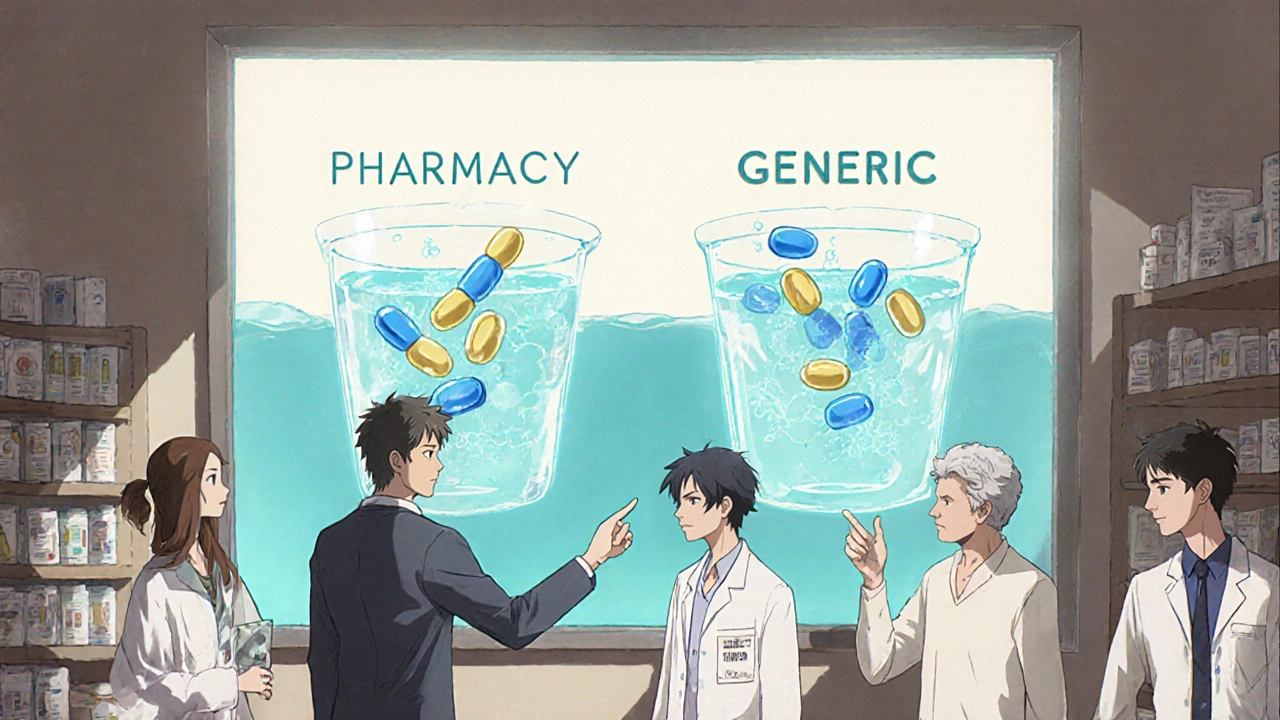
When you pick up a prescription, you might see two names: one you recognize from TV ads, and another that’s cheaper but looks different. That’s the generic drug, a medication with the same active ingredient as the brand-name version, approved by the FDA as equally safe and effective. Also known as non-brand drug, it’s not a copy—it’s the same medicine, just without the marketing. The brand name drug, the original version developed by a pharmaceutical company and protected by patent is often more expensive because of the research, advertising, and patent costs built into its price. But once the patent expires, any manufacturer can produce the generic drug—and that’s when prices drop, often by 80% or more.
Here’s the thing: most people think generics are inferior. They’re not. The FDA requires them to deliver the same amount of active ingredient into your bloodstream at the same rate as the brand. In fact, many brand-name drugs are made in the same factories as generics—just under a different label. The differences you see—color, shape, filler ingredients—are harmless. They don’t affect how the drug works. What does matter is whether the drug is approved, properly stored, and taken as directed. And that’s where counterfeit drugs come in. If you’re buying from a shady website or a pharmacy that won’t show you the packaging, that’s a risk. But buying a generic from a licensed U.S. pharmacy? It’s as safe as the brand.
Still, people worry. What about switching from a brand to a generic? What if your body reacts differently? That’s where drug interactions, how medications affect each other in your body come into play. Some drugs, like blood thinners or seizure meds, need very precise levels in your system. For those, your doctor might stick with the brand—just to be extra sure. But for most meds—statins, blood pressure pills, antidepressants—switching to generic is not just safe, it’s smart. Studies show no difference in outcomes. In one large review of over 100,000 patients, switching to generic statins didn’t increase heart attacks or hospital stays. It lowered costs—and kept people on their meds longer because they could afford them.
And then there’s the bigger picture. patent strategies, how drug companies extend exclusivity through minor changes to block generics like evergreening, and international rules like the TRIPS agreement, a global treaty that restricts access to affordable medicines in poor countries keep prices high. That’s why 90% of U.S. prescriptions are generics, but they only cost 12% of total drug spending. That’s billions saved every year. If you’re paying full price for a brand-name drug when a generic exists, you’re not just overpaying—you’re letting these systems work against you.
Below, you’ll find real stories, hard data, and practical guides on how to spot safe generics, avoid dangerous switches, understand why your doctor might recommend one over the other, and how to fight back when you’re being overcharged. No fluff. Just what you need to know to get the right medicine at the right price.