RxSpark Pharmaceuticals Resource Centre - Page 2

Regulatory capture occurs when government agencies meant to protect the public end up serving the industries they regulate. From sugar tariffs to airline safety, this hidden influence costs consumers billions and weakens democracy.
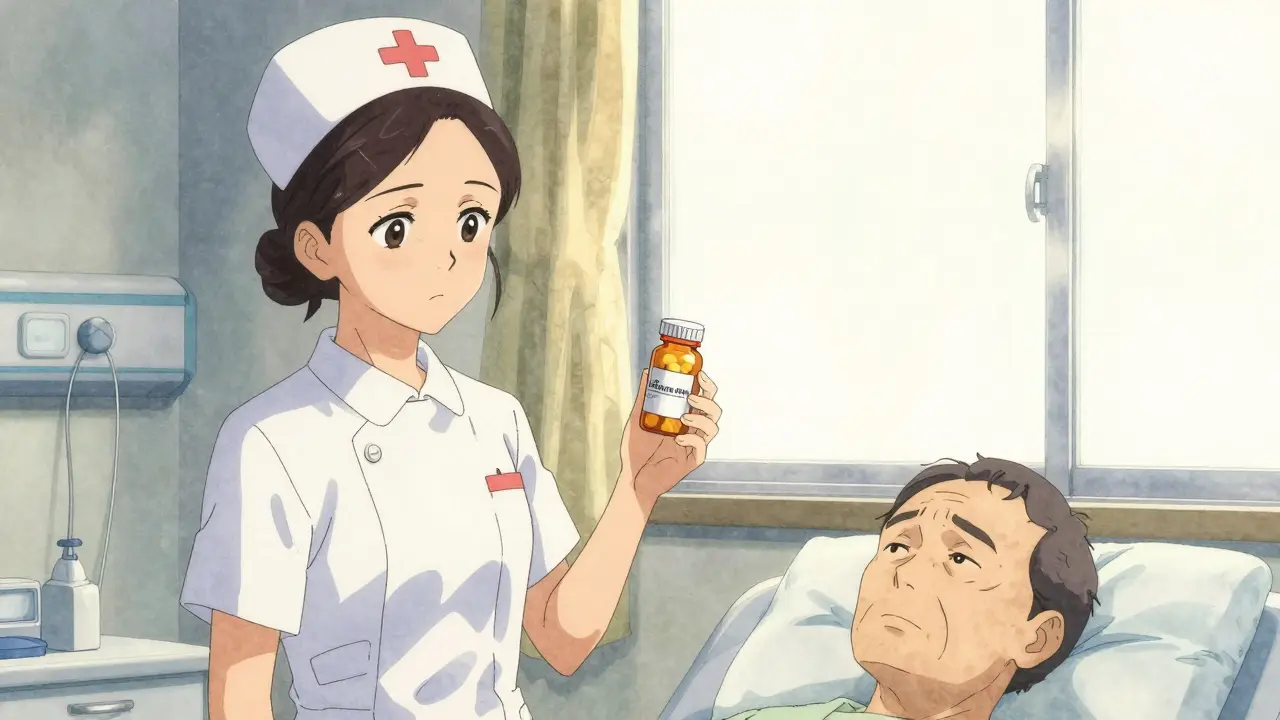
Nurses play a vital role in helping patients understand that generic medications are just as effective as brand-name drugs. Through clear communication, teach-back methods, and trusted resources like the FDA Orange Book, nurses improve adherence and prevent dangerous misunderstandings.
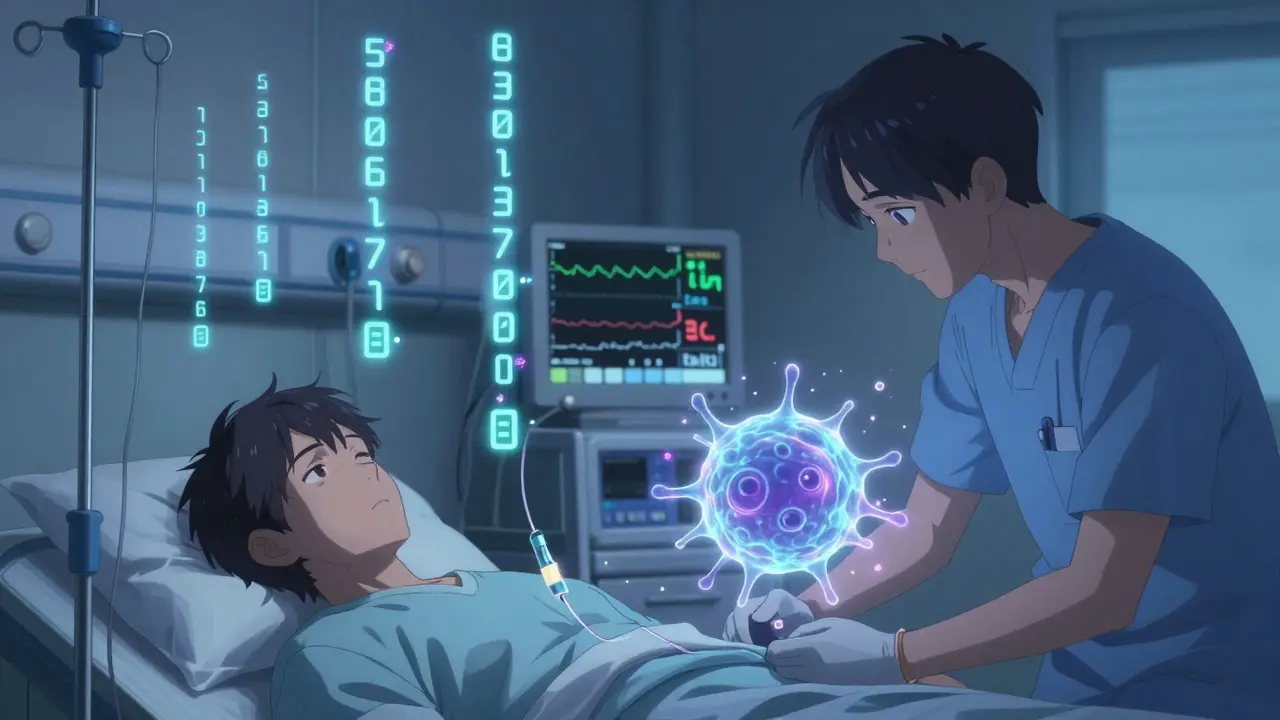
Penicillin desensitization is a safe, medically supervised method to allow allergic patients to receive life-saving penicillin therapy. Learn how it works, who qualifies, and why it's critical in fighting antibiotic resistance.
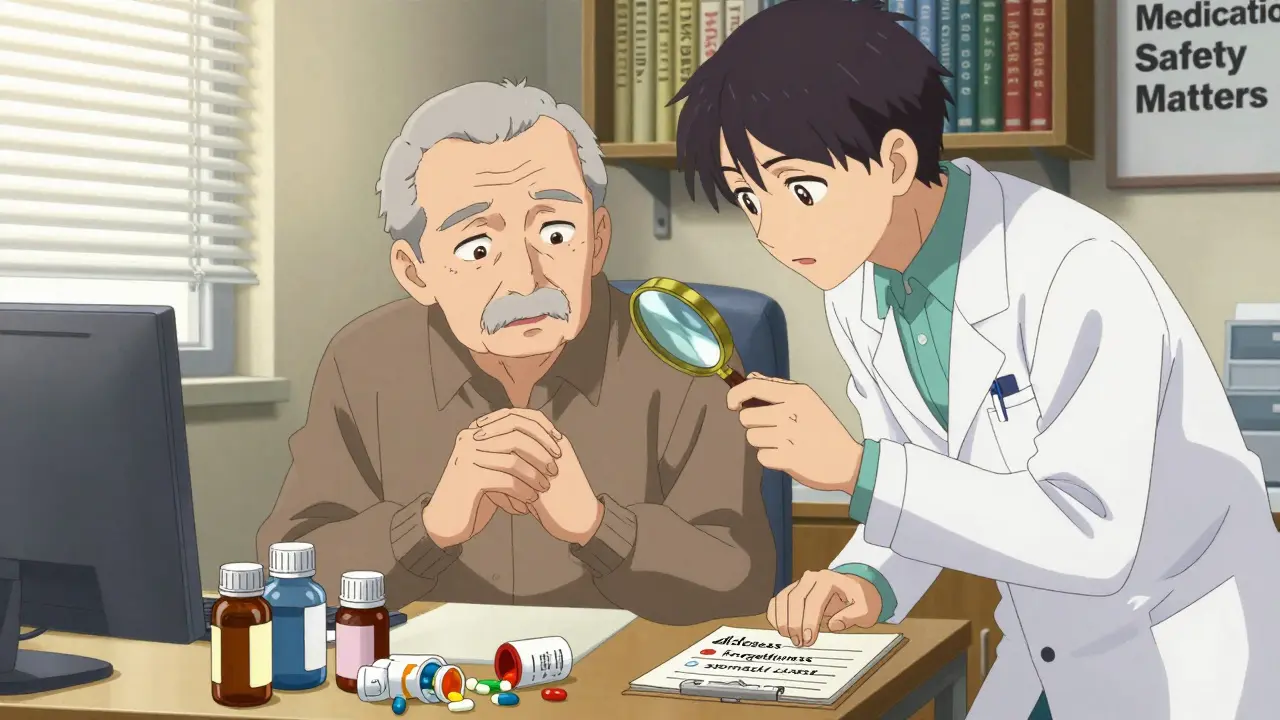
Learn how to talk to doctors about senior medications to avoid dangerous side effects, reduce hospital visits, and take control of your health. Simple steps, real results.

Paragraph IV certification under the Hatch-Waxman Act lets generic drugmakers challenge brand patents before they expire, speeding up affordable drug access. Learn how it works, why it succeeds, and how big pharma fights back.
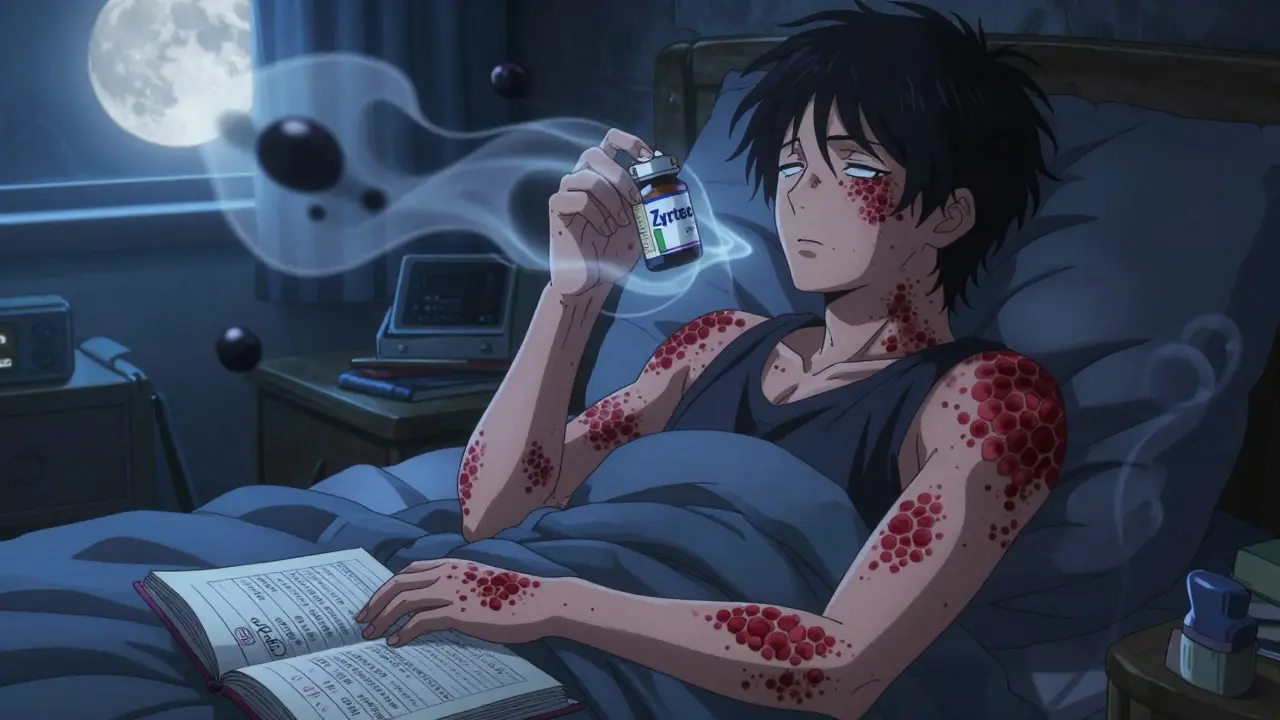
Antihistamines are the first line of defense against hives, but they don’t work for everyone. Learn which ones work best, why drowsiness happens, what to do when they fail, and the new treatments on the horizon.

Your family history and genes can change how you respond to generic drugs-even if they're chemically identical to brand names. Learn how pharmacogenetics affects drug metabolism and what steps you can take now.

Opioid withdrawal symptoms vary by drug type and last from days to weeks. Learn the timeline, how to manage symptoms safely, and why medication-assisted treatment is the most effective path to recovery.

Bioequivalence testing for combination products like fixed-dose combos, topical creams, and inhalers faces major scientific and regulatory hurdles. Learn why generics for these drugs take years to approve - and what’s being done to fix it.

Explains when doctors prescribe brand-name drugs instead of generics. Covers medical necessity, cost differences, and patient considerations. Learn how to discuss options with your healthcare provider.