Hospitals don't just buy cheap generic drugs. They strategically select them through complex economic calculations that balance patient outcomes, budget constraints, and clinical effectiveness. A 2023 study showed academic medical centers saved $4.8 million annually by optimizing generic substitution protocols, proving smart formulary decisions matter.
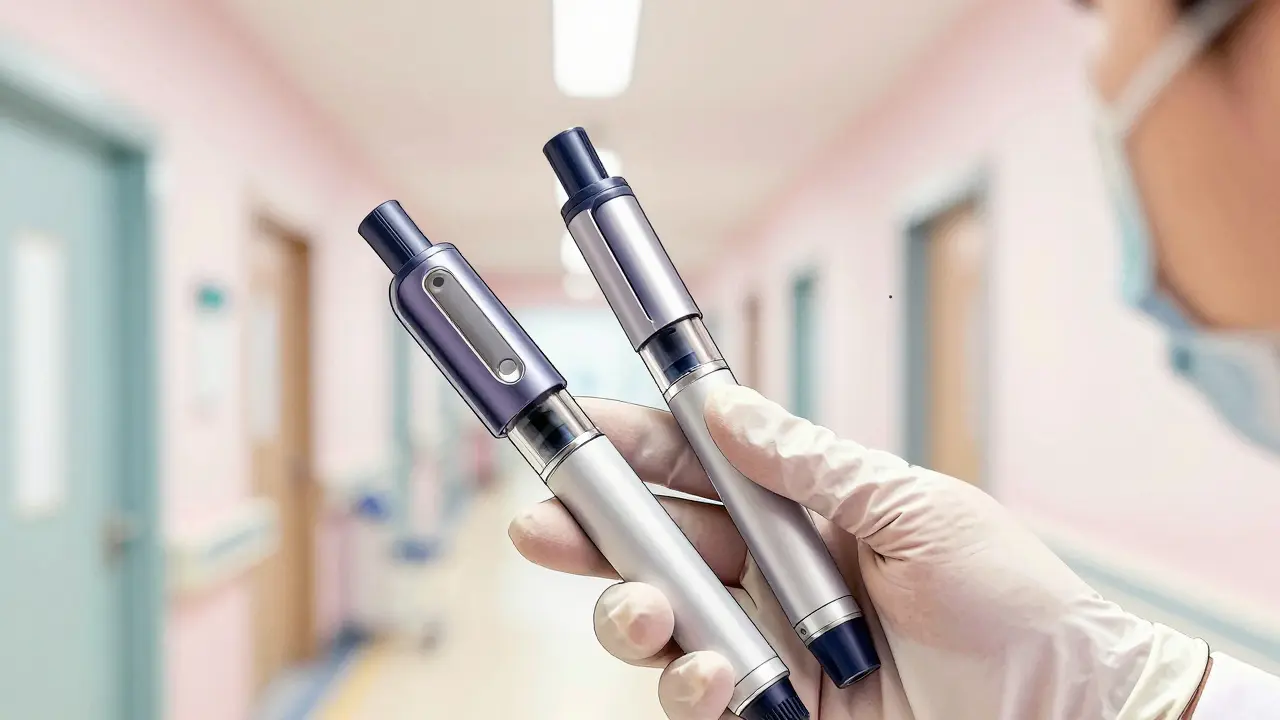
Consider this scenario: Your hospital's P&T committee must choose between three generic insulin formulations. Each has the same active ingredient but different delivery mechanisms and cost structures. This decision impacts thousands of patient days, nursing workload, and potential adverse events. That's the real complexity behind hospital formulary economics.
The Foundation: What Is a Hospital Formulary?
A hospital formulary is a structured medication list approved by clinical governance bodies that defines which drugs are available within an institution. Unlike retail pharmacies focused on outpatient sales, hospital formularies prioritize intravenous formulations, emergency medications, and products suited for acute care environments.
| Component Type | Typical Scope | Clinical Priority | |
|---|---|---|---|
| Active Medications | 300-1000 dosage forms | Core treatment options | Safety & efficacy proven |
| Review Cycle | Monthly/Quarterly | New approvals | Rapid evidence integration |
| Therapeutic Classes | 50+ categories | Disease-specific clusters | Outcome tracking capability |
The American Society of Health-System Pharmacists established standardized principles that now guide 92% of accredited institutions. Their 2018 guidelines emphasized moving beyond mere purchasing to holistic medication stewardship - evaluating how drugs interact with workflows, staffing patterns, and patient populations.
Generic Selection Dynamics
When P&T committees evaluate generics, they examine three non-negotiable dimensions:
- Bioequivalence validation: FDA approval alone isn't enough - manufacturers must prove therapeutic sameness through pharmacokinetic studies matching brand-name products
- Administrative feasibility: Does the new formulation require specialized storage? Does the delivery device need additional nursing training?
- Economic architecture: Beyond list prices, committees analyze rebate structures, contract terms, and hidden costs like monitoring requirements
In 2022, University of California San Francisco Medical Center faced this dilemma with oral anticoagulant switches. Their analysis revealed subtle pharmacokinetic variations caused unexpected INR fluctuations, increasing lab testing costs by 18% despite lower acquisition expenses. This real-world lesson shaped national guidelines requiring 90-day post-switch monitoring for narrow therapeutic index medications.
Tiered Systems in Practice
Most hospitals use four-tier categorization systems balancing access with cost containment:
| Tier | Drug Category | Patient Cost | Approval Requirements |
|---|---|---|---|
| Tier 1 | Preferred Generics | $0-$10 co-pay | Automatic |
| Tier 2 | Non-preferred Generics | $15-$30 co-pay | Physician justification |
| Tier 3 | Brand Medications | $50-$100 coinsurance | Specialty review |
| Tier 4+ | Specialty Drugs | 30%+ coinsurance | Utilization management |
McKesson's 2022 optimization guide demonstrated that placing complex generics like inhalers in higher tiers reduced inappropriate utilization by 24%. However, this requires ongoing education - 68% of surveyed pharmacists reported difficulties assessing therapeutic equivalence for novel delivery mechanisms.
Economic Leverage Points
Three financial mechanisms drive most formulary decisions:
- Volume contracting: Aggregated purchasing power across health networks achieves 22-28% discounts versus standalone institutions
- Rebate structures: Manufacturers may return 10-15% of purchase volume after performance thresholds met
- Outcomes-based agreements: 47% of academic centers now tie payments to quality metrics like readmission rates
The 340B program dramatically altered these dynamics. By enabling disproportionate share hospitals to purchase generics at discounted rates, it created competitive pressures that reshaped entire regional markets. In response, some manufacturers began limiting distribution channels to maintain price integrity - forcing hospitals to develop contingency plans for inevitable gaps.
Navigating Implementation Challenges
Despite robust frameworks, practical hurdles persist. The University of Michigan study documented 15% protocol non-adherence due to EHR integration limitations. Many systems lack automated alerts when preferred alternatives become unavailable during shortages.
Supply chain vulnerabilities compound these issues. With 298 active drug shortages in late 2023, hospitals developed adaptive strategies including:
- Therapeutic interchange protocols allowing rapid substitutions
- Alternative sourcing arrangements with backup vendors
- Stockpiling critical medications above standard inventory levels
Cleveland Clinic's approach yielded measurable success. Their therapeutic interchange committee standardized generic transition pathways, reducing acquisition costs by 18.3% while maintaining clinical outcomes through careful monitoring of hemoglobin levels during anticoagulant switches.
Future Trajectories
The landscape continues evolving rapidly. The Consolidated Appropriations Act mandated full rebate transparency effective January 2025, enabling more informed negotiations. Meanwhile, emerging pharmacogenomic considerations challenge traditional selection models - 28% of academic centers now factor genetic testing results into narrow therapeutic index decisions.
As GDUFA III accelerates complex generic approvals through 2026, expect increased competition among biologics and specialty injectables. Successful programs will combine clinical expertise with economic acumen, recognizing that true value lies not just in list prices but total cost of ownership.
How often do hospitals update their formularies?
P&T committees typically meet quarterly for routine reviews, with monthly sessions for urgent additions or changes. New FDA-approved generics undergo evaluation within 90 days per ASHP standards, though emergency situations can accelerate timelines significantly.
What happens if a preferred generic becomes unavailable?
Hospices activate pre-established interchange protocols allowing temporary switch to alternative tiers. Many institutions maintain strategic stockpiles of critical medications to buffer against supply disruptions lasting 30-60 days.
Do all hospitals use similar formulary structures?
While core principles remain consistent, academic centers tend toward more restrictive closed formularies (78%) compared to community hospitals. Specialty institutions develop unique structures reflecting their patient population needs.
How significant are manufacturer rebates?
Rebates typically represent 10-15% of purchase value but vary widely by product class. Recent regulatory changes aim to increase transparency around these negotiated concessions, potentially shifting bargaining power dynamics.
Can patients request non-formulary medications?
Individual requests go through formal exception processes requiring physician justification. While possible, most institutions discourage this due to potential cost implications and disruption of standardized care pathways.