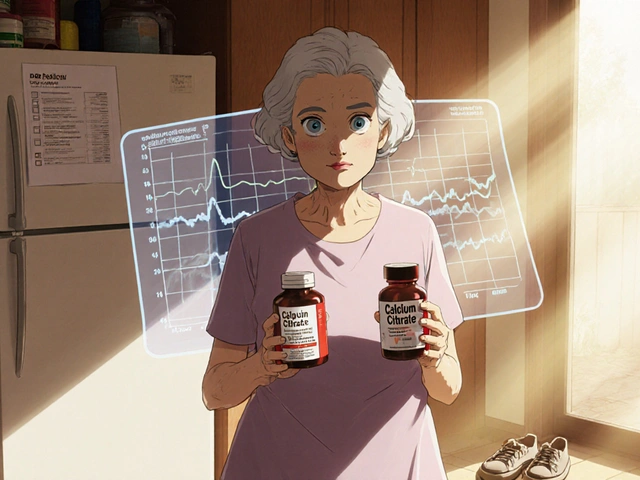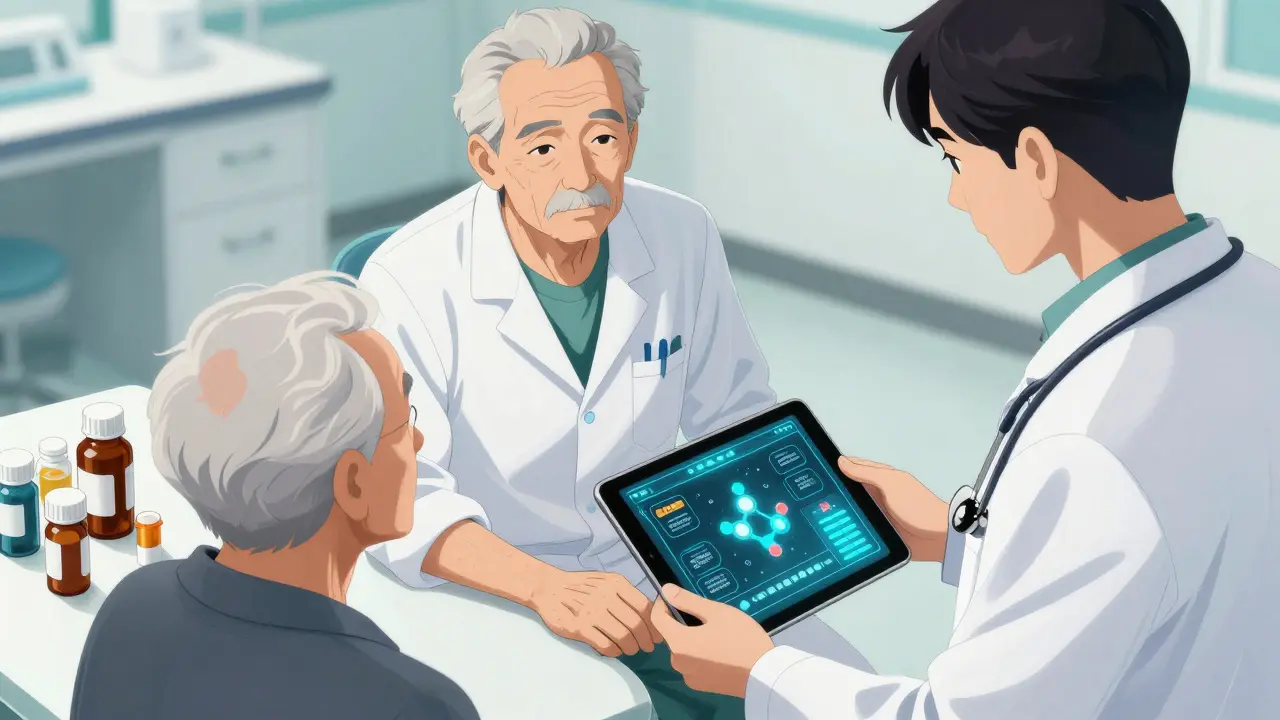
Mixing the wrong medications can lead to more than just a mild side effect; in some cases, it can be life-threatening. This risk is particularly high for patients over 65, who take an average of 4.8 prescription drugs at once. To combat this, generic drug interactions are now managed through sophisticated digital consultation tools. These systems act as a safety net, helping clinicians and pharmacists spot dangerous combinations before they reach the patient. Whether you are a healthcare provider or a patient using an online pharmacy, understanding how these tools work can significantly reduce the risk of adverse drug events.
What Exactly Are Digital Drug Interaction Tools?
At their core, these tools are Clinical Decision Support Systems (CDSS). They are specialized software designed to analyze pharmacological conflicts between different medications, specifically focusing on how generic versions of drugs interact with other active ingredients. Instead of a doctor flipping through a thousand-page manual, these tools provide instant alerts based on the latest medical data.
These tools are essential because of the sheer volume of data. With over 1,500 new drug interactions identified every year, it is humanly impossible for any one provider to memorize every possible conflict. By using a digital database, clinicians can cross-reference a patient's entire medication list against thousands of known interactions in seconds.
Top Digital Tools for Checking Drug Interactions
Not all tools are created equal. Some are built for a quick check on a smartphone during a clinic visit, while others are massive enterprise systems integrated into a hospital's electronic health records (EHR).
| Tool Name | Max Drugs Checked | Best For | Key Strength |
|---|---|---|---|
| Epocrates | 30 | Outpatient/Mobile | Speed and accessibility |
| Micromedex | Enterprise Level | Hospitals | EHR Integration & IV compatibility |
| UpToDate Lexidrug | 50+ | Clinical Decision Support | Overdose treatment info |
| DDInter | 5 | Academic Research | Open-access and detailed mechanisms |
| DrugBank Online | 5 (Free tier) | Research/Developers | Comprehensive chemical data |
Deep Dive: Choosing the Right Tool for the Job
Depending on the setting, different tools offer different values. If you are in a fast-paced outpatient clinic, Epocrates is often the gold standard. It allows you to check up to 30 brand, generic, and over-the-counter drugs simultaneously, making it ideal for patients with complex polypharmacy needs. Its intuitive interface means a provider can become proficient in about 15 minutes.
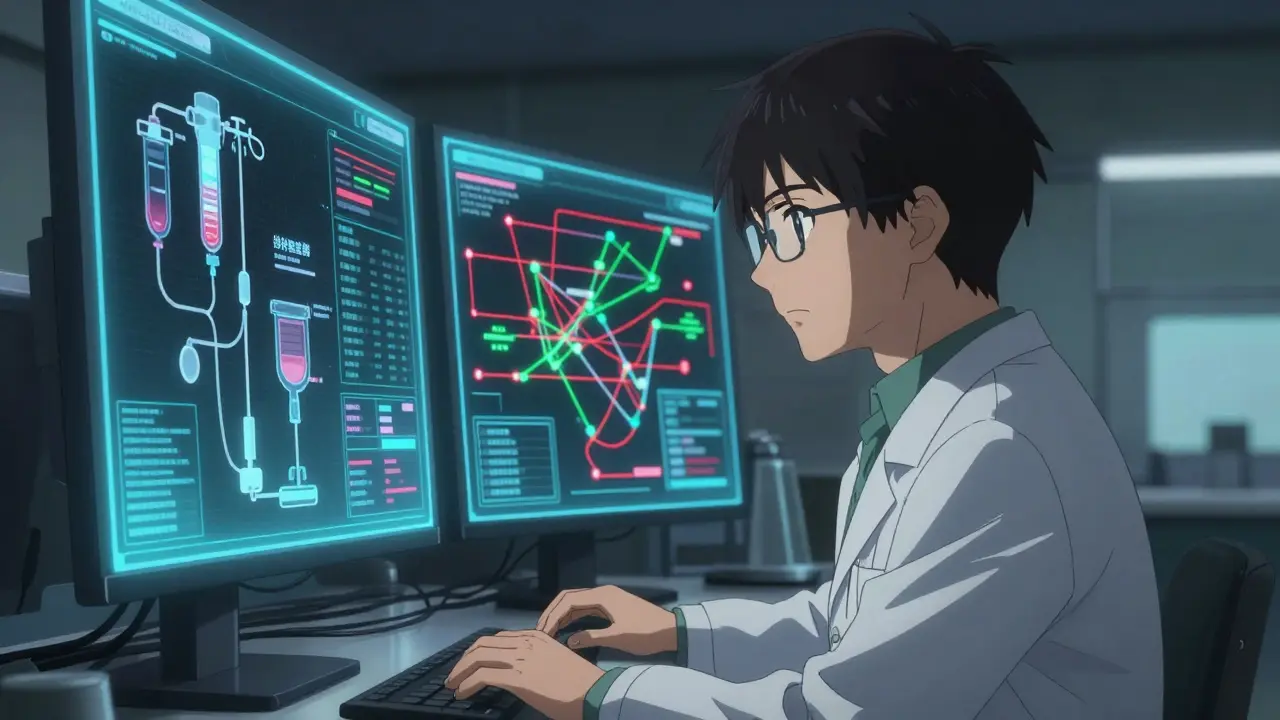
In a hospital environment, the stakes are higher and the workflows more complex. This is where Micromedex shines. It doesn't just check if two pills clash; it provides IV compatibility checking, which is critical for patients receiving multiple intravenous medications. Because it integrates directly into the patient's digital chart, it reduces the need for manual data entry, though the implementation process can take several months.
For those needing specialized emergency data, UpToDate Lexidrug is a powerhouse. Along with interaction analysis, it provides detailed overdose treatment information-a feature that is surprisingly rare and only shared by a few other platforms like Drugs.com.
If you are looking for a free, academic resource, DDInter is an excellent choice. Launched by researchers at Chongqing University, it provides a transparent look at the mechanisms of interaction. While it limits you to five drugs at a time, it explains how one drug alters the effect of another, which is invaluable for pharmacists who need to explain risks to a patient.
The Reality of "Alert Fatigue" and False Positives
While these tools save lives, they aren't perfect. One of the biggest challenges in modern medicine is "alert fatigue." This happens when a system flags too many potential interactions, many of which aren't clinically significant for that specific patient. When a doctor sees twenty warnings for a single prescription, they might start ignoring them all.
Research shows that clinicians ignore anywhere from 49% to 96% of warnings depending on how the system is set up. Furthermore, no single tool is a complete encyclopedia; false negative rates can range from 8% to 32% depending on the drug class. This means a tool might tell you a combination is safe when it actually isn't.
To fix this, many institutions now use alert tuning. This involves adjusting the severity thresholds so that only the most critical, evidence-based warnings trigger a "hard stop" in the prescription process, while minor interactions appear as simple suggestions.
The Future: AI and Predictive Interaction Checking
We are moving away from "reactive" lists (where we only know about interactions after someone has a reaction) toward "predictive" systems. The latest trend is the integration of machine learning to predict novel interactions before they are ever documented in a clinical trial.
For instance, DDInter has introduced features to predict interactions using informatics. Similarly, Merative has acquired startups like InteracDx to improve Micromedex's accuracy, aiming to cut those frustrating false positives by 35%. The goal is a system that understands the chemical structure of a generic drug and can logically deduce how it will behave when paired with another substance, even if that specific pair hasn't been studied extensively.
Practical Tips for Patients and Providers
If you are a patient using an online pharmacy or managing your own medications, keep these rules of thumb in mind:
- Be exhaustive: When using a digital checker, include your vitamins, herbal supplements, and over-the-counter painkillers. Many tools, like Epocrates, specifically include these because herbal supplements can have powerful interactions with generics.
- Verify the source: Use tools that are updated frequently. For example, mobilePDR updates its summaries within a week of manufacturer changes.
- Ask for a pharmacist's review: Digital tools are aids, not replacements. A pharmacist can interpret a "moderate" warning and decide if the benefit of the drug outweighs the risk based on your specific health history.
Are free drug interaction checkers reliable?
Yes, tools like DDInter and the free versions of Epocrates are generally reliable for basic identification. However, free tiers often limit the number of drugs you can check at once (usually 5) and may lack the deep clinical monographs found in paid versions. For complex polypharmacy, a professional-grade tool is safer.
What is the difference between a brand name and a generic drug interaction?
In terms of the active ingredient, there is no difference. A generic drug contains the same active pharmaceutical ingredient as the brand name. Interaction checkers focus on these active ingredients. However, different generic manufacturers may use different inactive fillers (excipients), which can rarely affect absorption, though this is not the primary focus of most DDI tools.
Why do doctors sometimes ignore interaction alerts?
This is known as alert fatigue. Because systems often generate "false positives" (warnings for interactions that aren't clinically dangerous for most people), clinicians may become desensitized to the alerts. This is why professional judgment and alert tuning are critical.
Which tool is best for checking IV drug compatibility?
Micromedex is widely considered the leader for hospital settings because it offers specialized IV compatibility checking, ensuring that two medications won't precipitate or neutralize each other when delivered through the same line.
Can these tools check interactions with herbal supplements?
Yes, many high-end tools like Epocrates specifically include herbal supplements and over-the-counter drugs in their databases, as these can cause significant interactions with prescription generics.