Understanding Nerve Damage and Pain
Living with diabetes means your body faces challenges that can go beyond just managing blood sugar levels. For many people, a silent threat creeps in over time. It’s called diabetic neuropathya type of nerve damage caused by prolonged high blood sugar levels. Imagine walking barefoot on hot coals when you aren’t actually touching anything. That burning, tingling sensation is the reality for roughly 50% of people with diabetes. While this condition damages nerves permanently, there is good news. You can still find relief and prevent further harm.
The core goal here isn't reversing damage that has already happened, because currently, no therapy can fully repair established nerve injury. Instead, the strategy focuses heavily on symptom management. Recent medical consensus confirms that standard treatments can reduce pain by 30% to 50% compared to doing nothing. This matters because unmanaged pain affects sleep, mood, and daily function. If you feel like you are fighting a battle alone, remember that guidelines from the American Academy of Neurology exist specifically to help choose the right path for your specific health profile.
Medications Approved for Nerve Pain
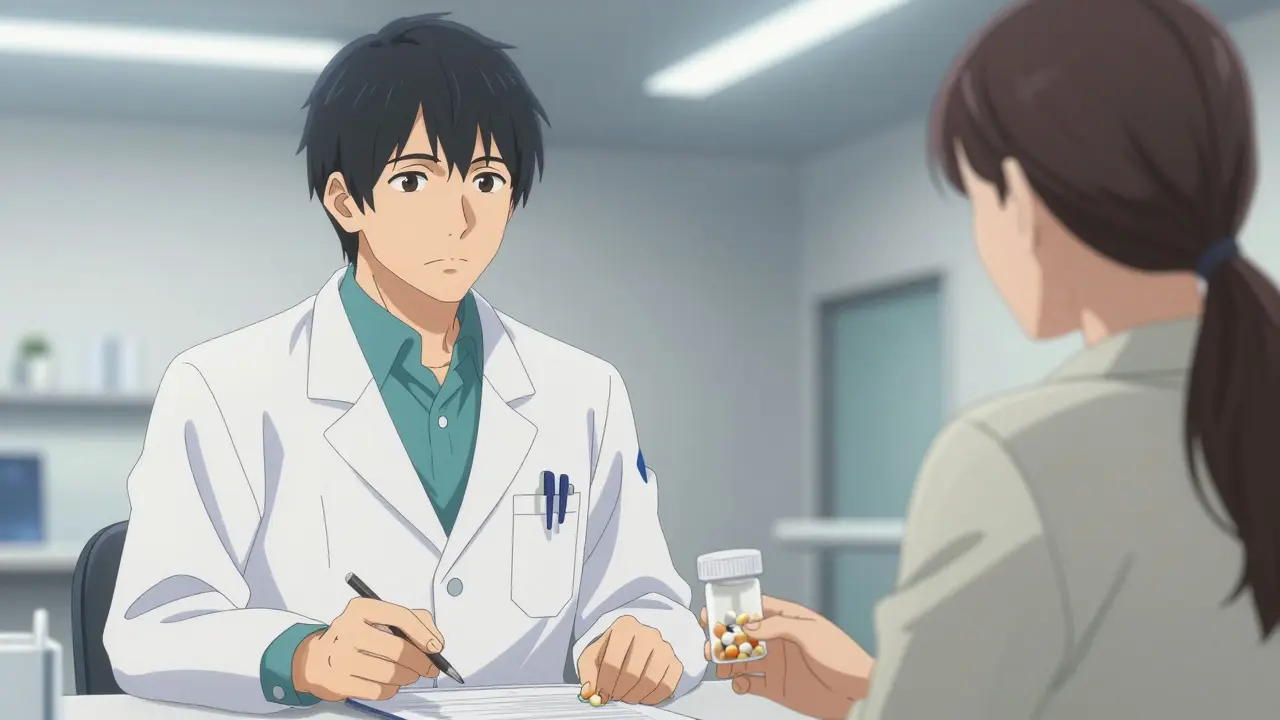
When talking about treating this pain, doctors rely on specific tools. In the United States, regulatory bodies have approved four distinct medications designed to target nerve signals rather than general inflammation. Unlike regular painkillers, these work on the brain and spinal cord processing of pain signals. Knowing the difference helps you have better conversations with your healthcare provider.
The first option many encounter is duloxetinean SNRI antidepressant used for diabetic nerve pain at 60mg daily. It was approved back in 2004 and works by balancing serotonin levels, which impacts how your body feels pain. Because it treats depression too, it's often a smart choice if you are dealing with low mood alongside physical pain. Then there is pregabalina calcium channel blocker taken 75-150mg daily in divided doses. This drug calms overactive nerves. It hits its peak effectiveness quickly but comes with a higher price tag and potential dizziness. Another less common option includes tapentadol extended-release for those who need stronger intervention, though it carries stricter monitoring requirements.
You might also hear about gabapentin. Even though it is very popular, it is often used "off-label" for this specific condition. Research shows about 28.7% of prescriptions for nerve pain involve this medication because it is affordable. Generic gabapentin costs significantly less than brand-name equivalents, making it accessible for long-term management. However, you need to take larger doses to match the effect of other drugs, which sometimes leads to grogginess.
| Medication | Daily Dose Range | Common Side Effects | Cost Estimate |
|---|---|---|---|
| Duloxetine | 60 mg | Nausea, dry mouth | $15.59 / 90 capsules |
| Pregabalin | 75-150 mg | Dizziness (30%), sleepiness | $378.99 / 90 capsules |
| Gabapentin | 300-3600 mg | Fatigue, dizziness | $4.00 / 90 capsules |
| Amitriptyline | 10-100 mg | Dry mouth, constipation | Varying generic prices |
Topical solutions offer another route. The 8% capsaicin patch can be applied directly to the feet. While users report a burn rate upon application, many achieve up to 70% pain reduction afterward. It bypasses the digestive system, which avoids systemic side effects. However, the application process itself can be painful, so some prefer oral options. Always discuss these with your doctor before trying them out yourself.
Navigating Side Effects and Cost
Choosing a medication involves weighing benefits against drawbacks. With diabetic neuropathy, the stakes get personal fast. About 30% of people taking gabapentinoids complain of dizziness severe enough to stop them from driving. That creates safety issues if you work in environments where alertness is mandatory. Antidepressants like amitriptyline might cause dry mouth in 57% of users or constipation in 40%. These aren't minor annoyances; they impact hydration and digestion.
Cost is another reality check. Health insurance plans vary wildly in coverage. While some plans cover all options equally, others require prior authorization for newer brands. Generic versions of duloxetine captured 92% of market share by 2022 due to affordability. If budget is tight, ask your doctor about switching to generics immediately. Some patients stop working because the monthly cost exceeds hundreds of dollars even with insurance, leading to untreated pain. It is vital to check your specific pharmacy benefit plan before starting a regimen.
Timing also plays a role. Therapeutic trials usually last 4 to 8 weeks before you see real results. Don't give up after two weeks if the pill isn't working yet. Doctors recommend escalating doses slowly to minimize shock to the system. Steady-state levels for duloxetine are reached around day three, but maximum benefit often takes until week 12 to fully manifest. Patience is part of the prescription.
Daily Foot Care Essentials
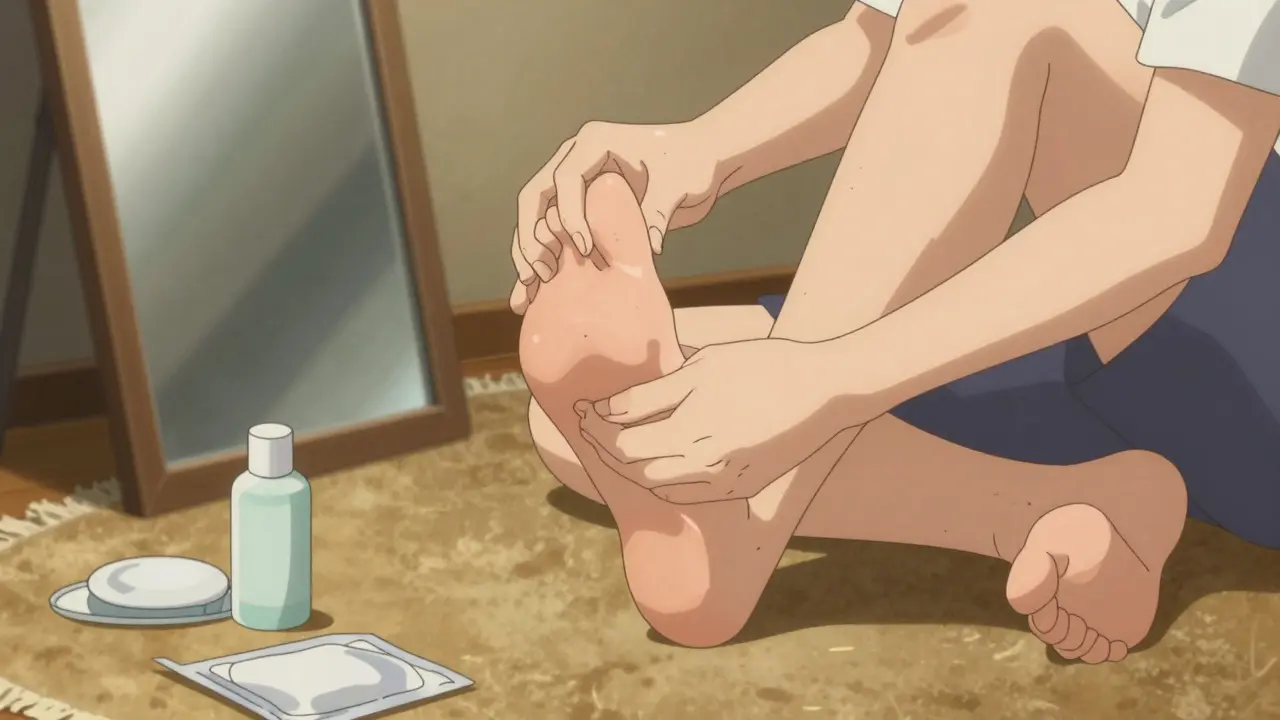
Meds handle the pain signal, but daily habits protect the physical integrity of your feet. Numbness means you won't feel small cuts blisters forming. Without feeling, minor injuries turn into serious ulcers. Statistics show 15% of neuropathy patients develop foot ulcers within five years if care isn't strict. Prevention starts with looking at your own skin every single day.
Create a routine you can stick to. Sit down at the same time each day, perhaps during evening wind-down. Inspect the tops, bottoms, and between toes. Look for redness, swelling, cuts, or changes in nail color. If you can't see your feet clearly, use a handheld mirror on a stand or ask a family member to help. Moisture management is crucial too. Feet that are too dry crack, while feet that are too moist between toes invite fungus. Wash gently, pat dry thoroughly, and apply moisturizer everywhere except between the toes.
Professional exams cannot be skipped. The NHS mandates annual comprehensive foot exams including monofilament testing. This test uses a thin fiber to check if your sensation is intact. During these visits, specialists also check circulation and arches. Wearing specialized footwear reduces pressure points that lead to sores. Regular shoes with stiff toes or rough seams can be dangerous for numb feet. Custom orthotics might be needed if your foot structure has changed.
Managing Expectations and Outlook
It is honest to say that current medications have limits. Studies indicate a "treatment gap" where about 30% to 50% of patients do not achieve adequate relief. This does not mean you are out of options, but it suggests needing a combination approach. Some doctors try adding sodium channel blockers or using topical agents alongside oral meds. Newer research into precision medicine looks at genetic testing to predict response, though this isn't widely available yet.
Future developments like SGLT2 inhibitors suggest neuroprotective effects are being studied, potentially slowing future damage. Clinical trials are constantly updating standards. For now, combining tight blood sugar control with proven pain medications offers the best shot at quality of life. Remember, managing comorbidities like heart disease or kidney issues is also essential since drug choices depend on renal function and cardiac health.
Can diabetic neuropathy pain ever go away completely?
While established nerve damage cannot be reversed, symptoms can improve significantly. Good blood sugar control slows progression, and medications can reduce pain by 30-50%. Complete disappearance is rare but manageable remission is possible for some.
Is pregabalin better than gabapentin for nerve pain?
Both belong to the same class of drugs. Pregabalin generally has more robust clinical evidence and works faster, reaching peak concentration in about 1 hour. Gabapentin is cheaper but requires higher total dosing and may be less effective for severe pain.
How often should I inspect my feet for sores?
What are the safest first-line pain options?
Medical guidelines often recommend duloxetine or tricyclic antidepressants like amitriptyline as first-line options depending on your other health conditions. Doctors weigh heart health and kidney function when choosing the starting point.
Does the 8% capsaicin patch hurt to use?
Yes, the application process causes a strong burning sensation. Many patients tolerate it for short periods because the relief lasts for weeks afterward. It requires careful handling to avoid getting it in eyes.

Nicky Calder
Hi, I'm Caspian Rutherford, a pharmaceutical expert with a deep passion for writing and educating others about medications and diseases. With years of experience in the industry, I've gained in-depth knowledge about various drugs and their effects on the human body. I enjoy researching the latest advancements in medicine and sharing my findings through engaging articles and blog posts. My ultimate goal is to empower individuals with knowledge, helping them make informed decisions about their health and well-being. In my free time, I continue to explore and learn about cutting-edge treatments and therapies to stay updated in this ever-evolving field.