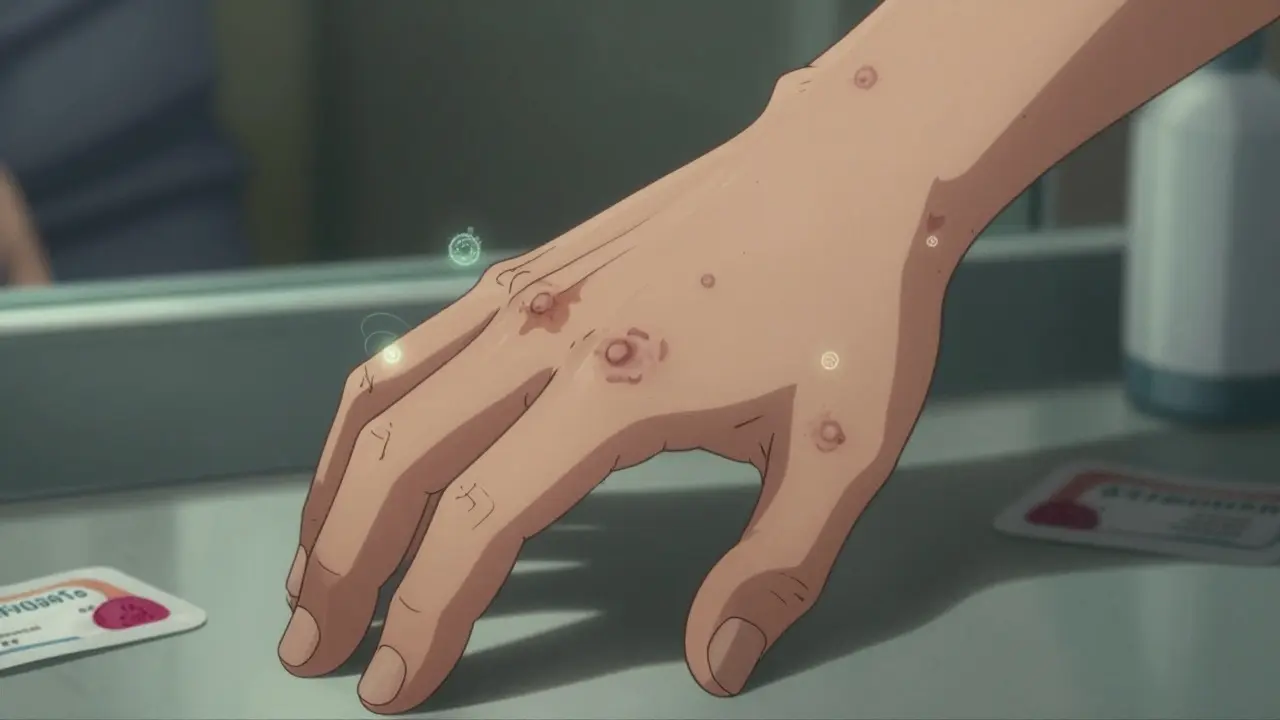
Most people think warts are just a harmless nuisance - a rough bump on the hand or foot that’s ugly but harmless. But viral warts aren’t just skin deep. They’re caused by an infection with the human papillomavirus (HPV), and they can spread, hurt, and stick around for years if not treated properly. In Australia, up to 24% of children and 5% of adults have them. That’s millions of people dealing with something most of us are told to just ignore.
Here’s the truth: warts don’t always go away on their own. Yes, 60-70% of them clear up within two years without treatment, but that’s cold comfort when you’re staring at a painful plantar wart every time you walk, or a cluster of flat warts on your face that make you avoid mirrors. And if you’ve tried scraping, taping, or over-the-counter sticks that didn’t work, you’re not alone. Most treatments require patience, consistency, and sometimes professional help.
What Causes Viral Warts?
Viral warts are caused by specific strains of HPV - not just one, but dozens. Different types of HPV target different parts of the body. For example:
- HPV types 1, 2, and 4 cause common warts - those raised, rough bumps often found on fingers and knuckles.
- HPV types 3 and 10 cause flat warts - small, smooth, and often appearing in rows on the face, arms, or legs.
- HPV types 1, 2, 4, 60, and 63 are behind plantar warts - hard, painful growths on the soles of the feet that feel like you’re stepping on a pebble.
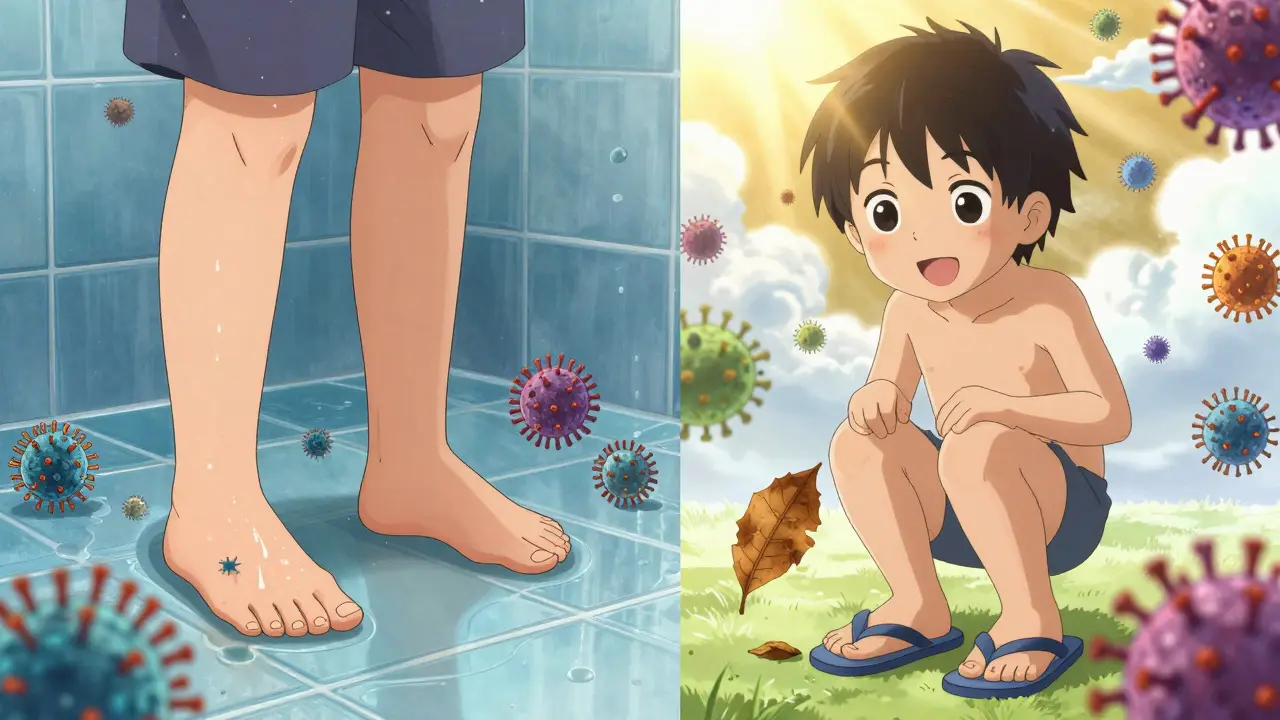
HPV enters through tiny cuts or breaks in the skin. You don’t need to shake hands with someone who has warts to catch it. Walking barefoot in public showers, sharing towels, or even scratching a wart and then touching another part of your body can spread it. That’s why warts often show up in clusters - you’ve accidentally inoculated yourself.
Children are more likely to get warts because their immune systems haven’t built up resistance yet. Adults can still get them, especially if their immune system is stressed or weakened. The virus doesn’t care if you’re clean or healthy - it just needs a way in.
Do Warts Go Away on Their Own?
Yes - sometimes. But waiting isn’t always the best strategy. While 60-70% of warts disappear within two years, that means 30-40% stick around longer. And during that time, they can multiply. One wart can become ten. A plantar wart can make walking painful. A flat wart on your chin can ruin your confidence.
Plus, warts are contagious. You can spread them to others - or to other parts of your own skin. That’s why dermatologists don’t just say, “Wait and see.” They say: “If it’s bothering you, treat it.”
And here’s something most people don’t realize: the immune system is the real hero in wart removal. Even when you use a treatment like salicylic acid or cryotherapy, the final step - the actual disappearance of the wart - happens because your body recognizes the virus and fights it off. Treatments just help trigger that response.
Topical Treatments: Salicylic Acid and More
Salicylic acid is the most studied and widely used treatment for viral warts. It’s in almost every over-the-counter wart remover - patches, liquids, gels. You can buy it at any pharmacy in Australia for under $15.
How it works: salicylic acid slowly peels away layers of the wart. You apply it daily after soaking the area in warm water and gently filing the surface with an emery board or pumice stone. This helps the acid penetrate deeper. Studies show it works in about 84% of plantar warts over 12 weeks.
But here’s the catch: you have to stick with it. Skipping days or not filing the wart reduces effectiveness. Most people give up after two weeks because they don’t see results. But real progress takes 6-12 weeks. If you’re not consistent, you’re wasting your time.
Other topical options include trichloroacetic acid (TCA), which dermatologists apply in-office. It’s stronger than salicylic acid and works by burning off the wart tissue. It’s especially useful for thick warts on the feet or hands. But it’s not for home use - it can burn healthy skin if applied wrong.
Imiquimod cream is another option. It’s not a direct wart killer. Instead, it tricks your immune system into attacking the HPV-infected cells. It’s often used when other treatments fail. You apply it three times a week for up to 16 weeks. Side effects include redness, itching, and flaking - but that’s actually a good sign. It means your immune system is waking up.
Cryotherapy: Freezing Warts Off
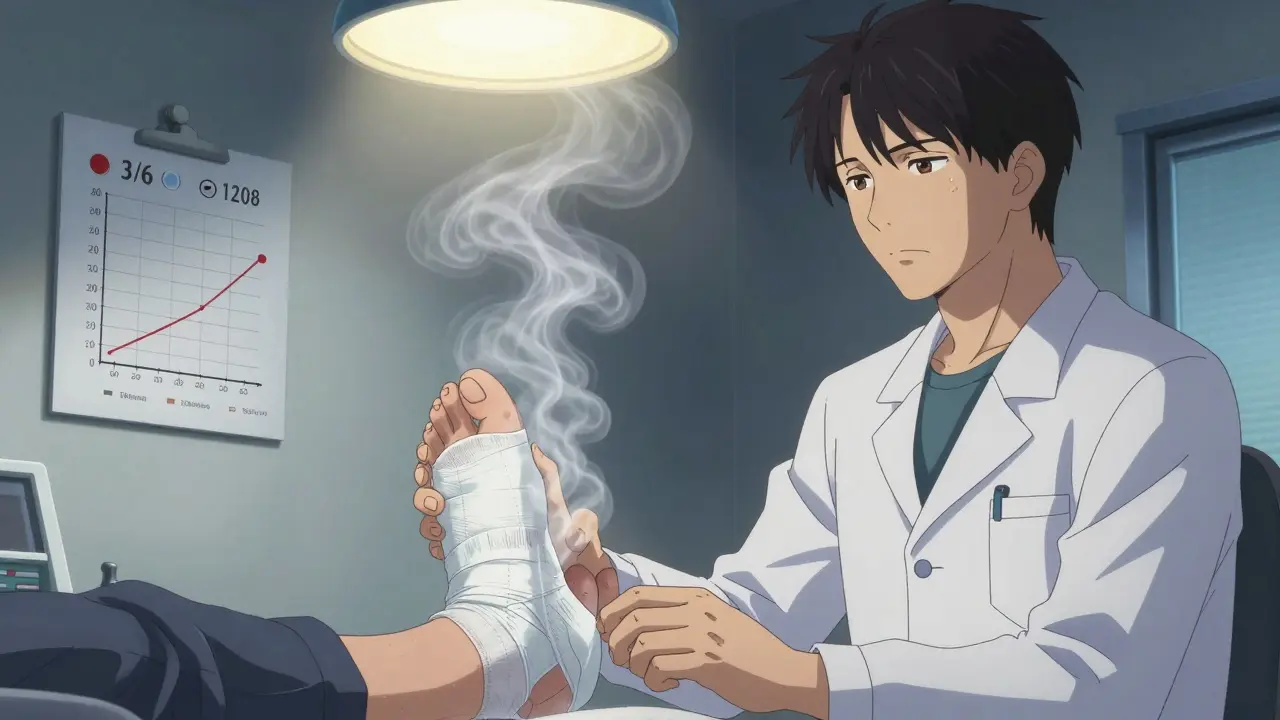
Cryotherapy - freezing warts with liquid nitrogen - is one of the most common in-office treatments. It’s quick, doesn’t require anesthesia, and is covered by Medicare in Australia for eligible patients.
The procedure: a dermatologist sprays liquid nitrogen onto the wart for 10-20 seconds. The goal isn’t just to freeze the wart - it’s to freeze the tissue about 2-3mm beyond its edge to make sure you get the root. After treatment, the area blisters, then forms a scab that falls off in 1-2 weeks.
Studies show cryotherapy works about as well as salicylic acid for common warts. One 2023 review of 976 patients found no significant difference in cure rates between the two after 12 weeks. But there’s a big catch: timing matters.
Back in 1976, a major study showed that freezing warts every 2-3 weeks gave a 75% success rate. When treatments were spaced out to every 4 weeks, success dropped to 40%. That’s a huge difference. So if your doctor says, “Come back in a month,” they’re not giving you the best chance of success. Ask for 2-3 week intervals.
Most people need 3-6 sessions. Some warts need more. It’s not a one-and-done fix. And yes - it hurts. The freezing sensation feels like a sharp sting. But most patients tolerate it well. The pain lasts only seconds.
Other Professional Treatments: When Simpler Options Fail
If salicylic acid and cryotherapy haven’t worked after several tries, your dermatologist might suggest stronger options. These aren’t first-line treatments - they’re for stubborn, recurring warts.
- Electrosurgery: A small electric needle burns the wart off. Often combined with curettage (scraping). Leaves a small scar, but works fast.
- Laser treatment: Pulse dye lasers (like VBeam) target the blood vessels feeding the wart. The wart turns purple or black, then falls off. Used mostly for warts that won’t respond to anything else.
- Immunotherapy injections: Some doctors inject Candida antigen or other immune stimulants directly into the wart to trigger a localized immune response. It’s experimental but promising for hard-to-treat cases.
Surgical removal - cutting the wart out - is rarely recommended. Why? Because it often leads to recurrence. The virus is still in the surrounding skin. Cutting it out just leaves a scar and a new spot for the virus to come back.
What Doesn’t Work (And Why)
There are dozens of home remedies floating around: duct tape, apple cider vinegar, garlic, banana peels. Some people swear by them. But the science doesn’t back them up.
Duct tape? One small study showed it might help - but the same study showed placebo (a plain patch) worked just as well. It’s possible the constant pressure and occlusion helped, not the tape itself.
Apple cider vinegar? No controlled studies prove it kills HPV. It can irritate skin and delay real treatment.
And don’t try to cut or burn warts off yourself. You risk infection, scarring, or spreading the virus. Warts are not pimples. They’re viral infections. Treat them like one.
How to Prevent Spreading and Recurrence
Even after the wart is gone, the virus can still be hiding in nearby skin. That’s why warts come back - sometimes months later.
To reduce the chance of spreading or recurrence:
- Don’t pick or scratch warts.
- Wear flip-flops in public showers and pools.
- Don’t share towels, shoes, or nail clippers.
- Keep your feet dry. Moisture helps HPV thrive.
- Wash your hands after touching a wart.
- Use separate emery boards for warts and healthy skin.
And if you have a wart on your foot, change your socks daily. If you have one on your hand, avoid biting your nails. These small habits make a big difference.
When to See a Dermatologist
You don’t need to see a specialist for every wart. But you should if:
- The wart is painful, bleeding, or changing color.
- You’ve tried over-the-counter treatments for 12 weeks with no result.
- The wart is on your face, genitals, or near your nails.
- You have diabetes or a weakened immune system.
- You’re not sure if it’s a wart - some skin cancers look like warts.
Don’t guess. A dermatologist can tell the difference in seconds with a dermatoscope. Misdiagnosing a melanoma as a wart can be dangerous.
What’s New in Wart Treatment?
Research is moving beyond just freezing and peeling. Scientists are exploring:
- Combination therapy - using salicylic acid and cryotherapy together. One study showed 78% success with the combo, compared to 69% with cryotherapy alone.
- New topical antivirals like cidofovir, which can be applied at home under supervision.
- HPV vaccines - while primarily for genital HPV, some early studies suggest they might help prevent or reduce non-genital warts in high-risk groups.
The big takeaway? Treatment is becoming more personalized. Instead of one-size-fits-all, doctors are starting to consider wart location, patient age, immune status, and treatment history to pick the best option.
But for now, the best tools are still the old ones: salicylic acid, cryotherapy, and patience. The science hasn’t changed much - but our understanding of how to use them has.




Danielle Stewart
December 18, 2025 AT 05:31I used to have a plantar wart that made me wince every time I stepped out of the shower. Tried salicylic acid for months, gave up, then randomly started wearing those cheap silicone heel pads from Amazon to cushion my foot. Didn’t cure it, but made walking bearable while my immune system finally woke up. Four months later - gone. Sometimes the body just needs time and comfort, not chemicals.
Also, never underestimate the power of dry feet. I started changing socks midday if I sweated - weird, but it helped.
Warts aren’t just skin deep. They’re emotional too.
Don’t panic. Just persist.
Glen Arreglo
December 18, 2025 AT 10:18As someone who grew up in a household where ‘just ignore it’ was the medical advice, I’m glad this post exists. My dad had a wart on his thumb for 17 years. He called it his ‘lucky bump.’ Then one day, it bled. Turned out it was a basal cell carcinoma masquerading as a wart. Dermatologist saved his life. Don’t assume. Get it checked. Especially if it changes.
And yes - cryotherapy hurts like hell. But so does living with pain for years. Worth it.
shivam seo
December 18, 2025 AT 21:02Wow. Another American medical blog pretending they invented warts. In Australia, we’ve known for decades that 90% of warts vanish without treatment. Why are you selling fear? Salicylic acid? Cryo? We’ve had these since the 70s. This is just fearmongering dressed up as science. Get a life.
Also, HPV is everywhere. You’re not special. Stop acting like you’re under siege.
benchidelle rivera
December 19, 2025 AT 14:25Let me be clear: if you’re treating a wart like a pimple, you’re doing it wrong. This isn’t skincare. This is immunology. Salicylic acid isn’t magic - it’s a slow-burn signal to your body that something’s wrong. You’re not removing the wart. You’re training your immune system to recognize the virus. That’s why consistency matters. Skipping days? That’s like doing half a workout and wondering why you didn’t lose weight.
And for the love of all that’s holy - don’t use vinegar. It’s not a cure. It’s a chemical burn waiting to happen. If you can’t follow a 12-week protocol, see a professional. There’s no shame in that.
Warts are not a vanity issue. They’re a public health issue. Stop normalizing neglect.
Matt Davies
December 21, 2025 AT 03:26I had a wart on my knee that looked like a tiny lava rock. Tried everything - duct tape (lol), garlic (smelled like regret), even a YouTube guy who swore by rubbing it with a penny. Nothing. Then I found a dermatologist who used pulsed dye laser. It felt like a hot rubber band snapping against my skin. Three sessions. Gone. No scar. No drama.
It cost me a few hundred bucks, but honestly? Worth every cent. I stopped hiding my knee in shorts. I didn’t realize how much I’d been shrinking until it was gone.
Also - if you’ve got a wart near your nail? Run. Don’t walk. That’s a whole other nightmare.
Alana Koerts
December 21, 2025 AT 16:55pascal pantel
December 22, 2025 AT 11:16Let’s address the elephant in the room: the 60-70% spontaneous resolution rate is statistically meaningless when you’re the 30-40%. HPV is a persistent pathogen with immune evasion mechanisms - specifically, downregulation of MHC-I expression in keratinocytes. That’s why topical agents like imiquimod, which upregulate TLR7/8 and IFN-α, are clinically superior in refractory cases.
Salicylic acid? It’s a keratolytic, not an antiviral. Cryotherapy? It’s thermal necrosis with a 40-60% recurrence rate if not applied with proper margin control. And please - don’t conflate anecdotal duct tape efficacy with evidence-based medicine. The placebo-controlled trials are clear.
If you’re not treating the immune dysregulation, you’re just managing symptoms. And that’s why warts recur. Pathophysiology isn’t optional.
Gloria Parraz
December 24, 2025 AT 06:26I cried the first time I saw my daughter’s face covered in flat warts. She was 8. She stopped smiling in photos. We tried everything - the sticky patches, the freezing, the weird cream that made her skin peel like a snake. Nothing worked. Then we found a dermatologist who said: ‘Let’s try imiquimod. It’s not a cure. It’s a conversation with her immune system.’
Three months. Three times a week. Red, itchy, miserable. But one day - she looked in the mirror and said, ‘Mommy, they’re gone.’
It wasn’t magic. It was her body, finally listening.
If you’re reading this and you’re tired - you’re not alone. Keep going. Your immune system hasn’t given up. Neither should you.