WTO and Pharmaceutical Access: How Global Trade Rules Shape Drug Prices
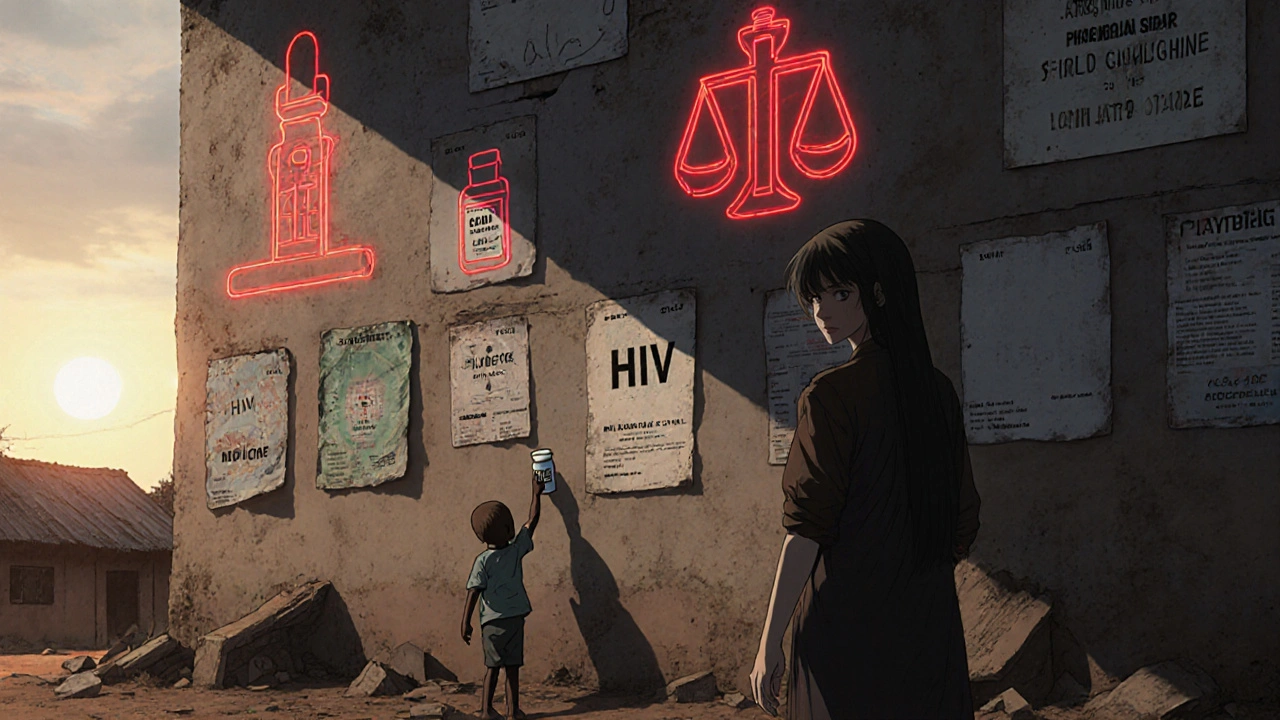
When you think about why some medicines cost so much, you might blame drug companies. But behind the scenes, the WTO, the World Trade Organization, a global body that sets rules for international trade holds enormous power over who gets access to affordable drugs. It’s not just about profits—it’s about whether a parent in Kenya can buy generic HIV meds, or if a senior in Ohio can afford their insulin. The WTO doesn’t make drugs, but its rules, especially the TRIPS Agreement, a treaty under the WTO that enforces global patent standards, dictate how long companies can hold monopolies on medicines. This directly blocks generics from entering markets, keeping prices high for years—even after the original drug’s patent expires.
The TRIPS Agreement, a treaty under the WTO that enforces global patent standards was designed to protect innovation, but it’s been used to protect profits instead. Countries that want to make or import cheaper versions of branded drugs often face legal threats or trade pressure. The WTO lets pharmaceutical companies extend patents through minor changes—like tweaking a pill’s coating or dosage form—which is exactly the kind of evergreening you see in posts here. This isn’t innovation; it’s legal maneuvering. And it works. While 90% of U.S. prescriptions are filled with generics, that’s only because the U.S. has strong legal tools to bypass TRIPS restrictions. Many low- and middle-income countries don’t. That’s why you’ll find posts here about generic drug approval, the FDA process that lets cheaper versions enter the market after patents expire, and why some generics still take years to appear even after patents end. It’s not always about science—it’s about who gets to play by the rules.
The WTO doesn’t just set rules—it creates winners and losers. When a generic maker gets tentative approval, a conditional green light from the FDA while waiting for patent expiration, they’re often stuck in legal limbo, waiting for a patent lawsuit to resolve. That’s why some drugs cost 10x more overseas than they do in the U.S.—it’s not because they’re harder to make. It’s because trade rules block competition. The same system that lets you buy a $4 generic statin at Walmart in America might prevent someone in Nigeria from getting the same drug at any price. That’s why posts here dive into patent litigation, the legal battles that delay generic entry and keep prices high, and how companies use the system to stretch monopolies. You’ll also see how drug pricing, the cost of medicines shaped by patents, trade rules, and market control isn’t just a local issue—it’s a global one.
What you’ll find below isn’t just a list of articles. It’s a map of how global rules connect to your medicine cabinet. From how evergreening tricks the system to why some generics never reach shelves, these posts show you the hidden forces behind the price tag on your prescription. You’re not just reading about drugs—you’re reading about power, law, and who gets to live well because of them.