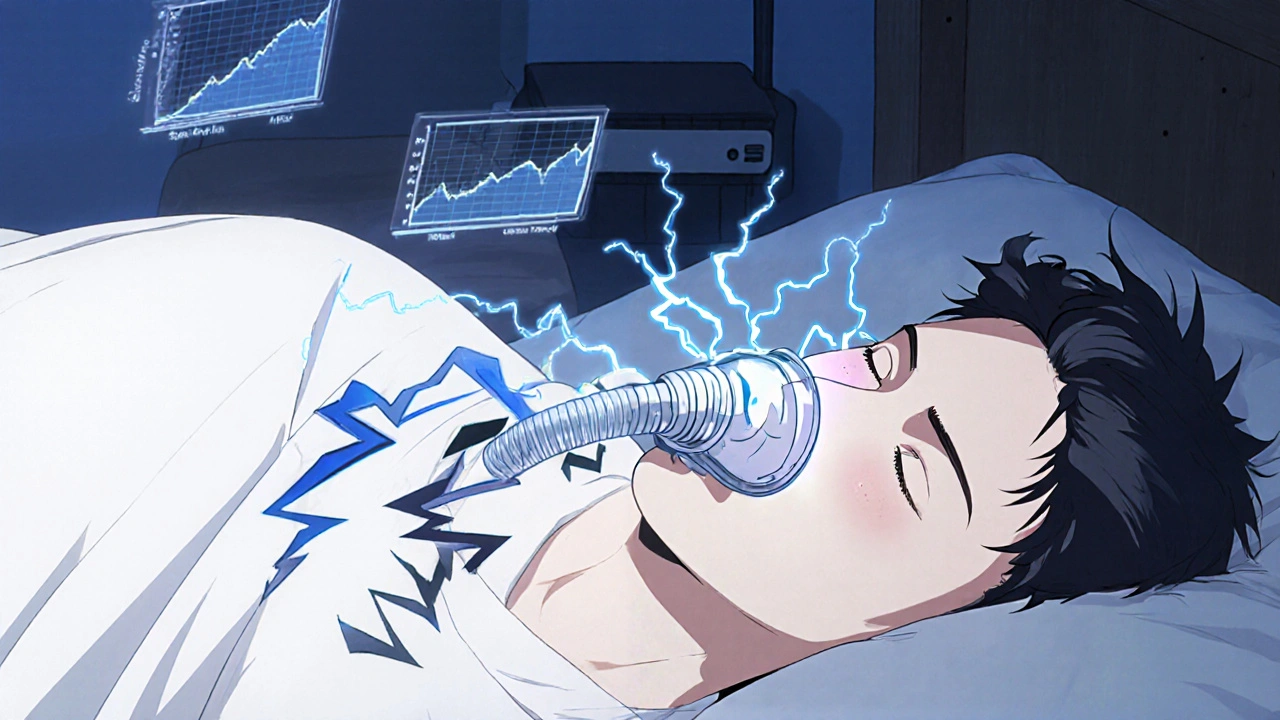
Sleep Apnea Alternatives: Non-CPAP Solutions That Actually Work
When you have sleep apnea, a condition where breathing repeatedly stops and starts during sleep. It’s not just about snoring—it’s about your body struggling to get oxygen while you rest. This can lead to daytime fatigue, high blood pressure, and even heart problems. Many people are told to use a CPAP machine, but if it feels uncomfortable, noisy, or just doesn’t stick, you’re not alone. There are other ways to manage this condition that don’t involve a mask and a hose.
One common alternative is an oral appliance, a custom-fitted device worn in the mouth to keep the airway open. These are often recommended for mild to moderate cases and work by gently moving the jaw forward. They’re small, quiet, and easy to travel with—unlike bulky CPAP gear. Another option is positional therapy, changing how you sleep to avoid lying on your back. Some people only get apnea episodes when they’re on their back, and simple tricks like sewing a tennis ball into the back of a t-shirt can make a big difference.
Weight loss is another powerful tool. Even losing 10% of your body weight can cut apnea episodes in half. It’s not magic—it’s physics. Less fat around your neck means less pressure on your airway. Exercise helps too, not just for weight but for strengthening the muscles that keep your throat open. Then there’s avoiding alcohol and sedatives before bed. These relax your throat muscles too much, making apnea worse. If you’re on opioids, like some people are for chronic pain, that’s another red flag—opioids can directly cause central sleep apnea by slowing your brain’s breathing signals.
Some people turn to nasal strips, humidifiers, or even acupuncture. These aren’t cures, but they can help if your issue is mild congestion or dry air. For those who can’t tolerate CPAP and aren’t candidates for surgery, these small changes add up. And if your apnea is linked to something else—like heart failure or a neurological condition—you’ll need a different approach entirely.
What you’ll find below are real, practical options people have tried. We’ve pulled together posts that compare devices, explain how certain medications can make sleep apnea worse, and break down what actually works when CPAP isn’t an option. No fluff. No hype. Just clear, evidence-based alternatives that fit real lives.