Pharmacy Benefit Manager: How It Controls Your Drug Costs and Choices
When you pick up a prescription, you rarely think about who decided if it’s covered, how much you pay, or why a cheaper version isn’t available—that’s the pharmacy benefit manager, a middleman between drug makers, insurers, and pharmacies that negotiates prices and sets rules for what drugs are covered. Also known as PBM, it’s not a doctor, not a pharmacy, and not your insurer—but it holds more power over your medicine than any of them.
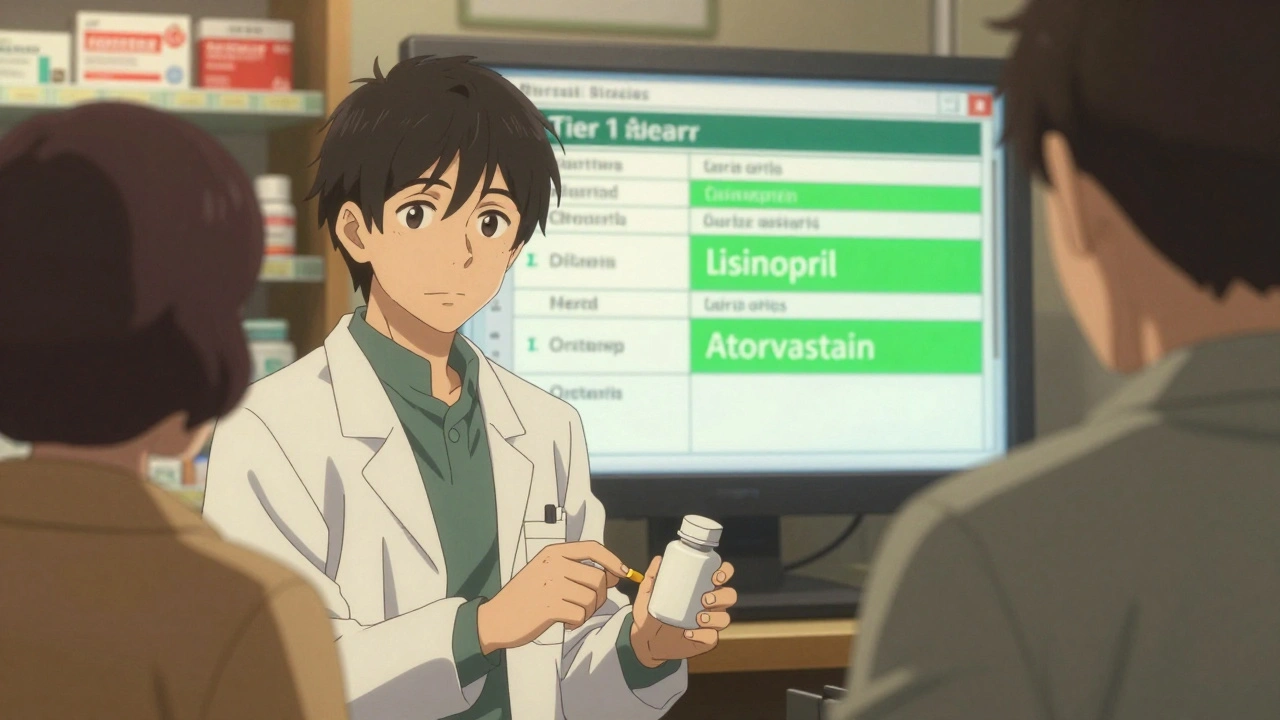
Most pharmacy benefit managers, like CVS Caremark, Express Scripts, and OptumRx, work behind the scenes to build formularies, lists of approved drugs your plan will pay for. These lists aren’t based on what’s best for you—they’re built around rebates, profits, and contracts. A drug might be cheaper at the counter, but if the PBM gets a bigger kickback from the brand-name version, that’s what your plan pushes. That’s why you’ve been told, "This generic isn’t covered," even when it’s identical to the brand. The generic drugs, just as safe and effective as brand-name versions, often get blocked not because they’re less effective, but because the PBM doesn’t get paid enough to promote them.
It’s not just about price. PBMs also control which pharmacies you can use. If your local pharmacy doesn’t have a deal with your PBM, you might pay double—or be forced to mail-order your meds. And while you’re waiting for your pills to arrive, the PBM is quietly negotiating secret discounts with drug makers, keeping the bulk of the savings for itself instead of passing it to you. This system is why pharmacy benefit manager has become one of the most controversial terms in healthcare today. You’re not just buying medicine—you’re navigating a maze of contracts, rebates, and hidden fees designed to maximize profit, not your health.
The posts below show you exactly how this system affects you. From how evergreening keeps generics off shelves, to how TRIPS treaties block affordable drugs overseas, to how generic drug savings are real—but often blocked by PBM rules—you’ll see how the same forces that control your prescription also shape your health outcomes. You’ll learn how to spot when your PBM is working against you, how to fight for cheaper alternatives, and how to use free tools like the FDA Orange Book to find the real cost of your meds. This isn’t theory. It’s your wallet, your health, and your right to know what’s really happening between the pharmacy counter and your medicine bottle.