Pharmacology: How Drugs Work in Your Body and What You Need to Know
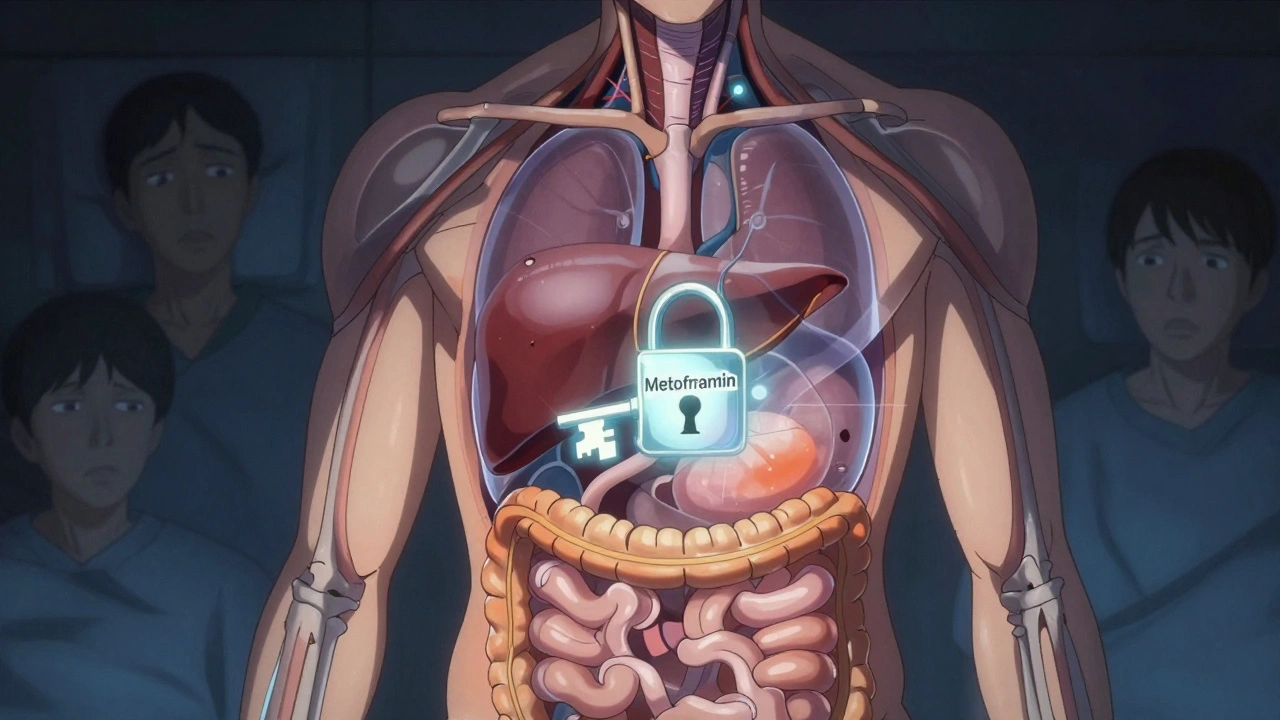
When you take a pill, your body doesn’t just absorb it—it pharmacology, the science of how drugs interact with living systems. Also known as drug action, it’s the reason some medicines heal and others cause side effects you never saw coming. This isn’t just for doctors. If you’re on blood pressure meds, statins, or even a daily vitamin, pharmacology affects you every single day.
It’s not just about what’s in the pill. It’s about how your liver breaks it down, how other drugs you take change its path, and whether your body reacts differently because of your age, weight, or genetics. For example, statin side effects, like muscle pain or weakness aren’t always caused by the drug itself—often, it’s fear, not the medication, that makes you feel worse. Or take drug interactions, when two medications clash inside your body: clarithromycin and statins can spike statin levels and damage muscle tissue. That’s why knowing what you’re taking—and why—isn’t optional.
And then there’s the bigger picture: generic drugs, identical in active ingredient to brand-name versions but costing up to 95% less. They’re not cheaper because they’re weaker—they’re cheaper because the patent expired. But not all switches are safe. Some people notice subtle changes when they flip from brand to generic, and that’s not just in their head. Pharmacology explains why: fillers, coatings, and absorption rates can vary slightly, and for some drugs—like seizure meds or blood thinners—that tiny difference matters.
Medication safety isn’t about following rules blindly. It’s about understanding what’s happening in your body. Why does caffeine mess with your thyroid pill? Why can’t you toss fentanyl patches in the trash? Why does long-term use of acid blockers raise your fracture risk? These aren’t random quirks. They’re all outcomes of pharmacology in action.
You’ll find real stories here—not theory. How to spot dangerous supplement combos. Why insurers push generics. How to avoid muscle damage from statins. What to do if you miss a dose. How to tell if your medicine is fake. This isn’t a textbook. It’s a practical guide built from the questions people actually ask when they’re trying to stay healthy without getting hurt.