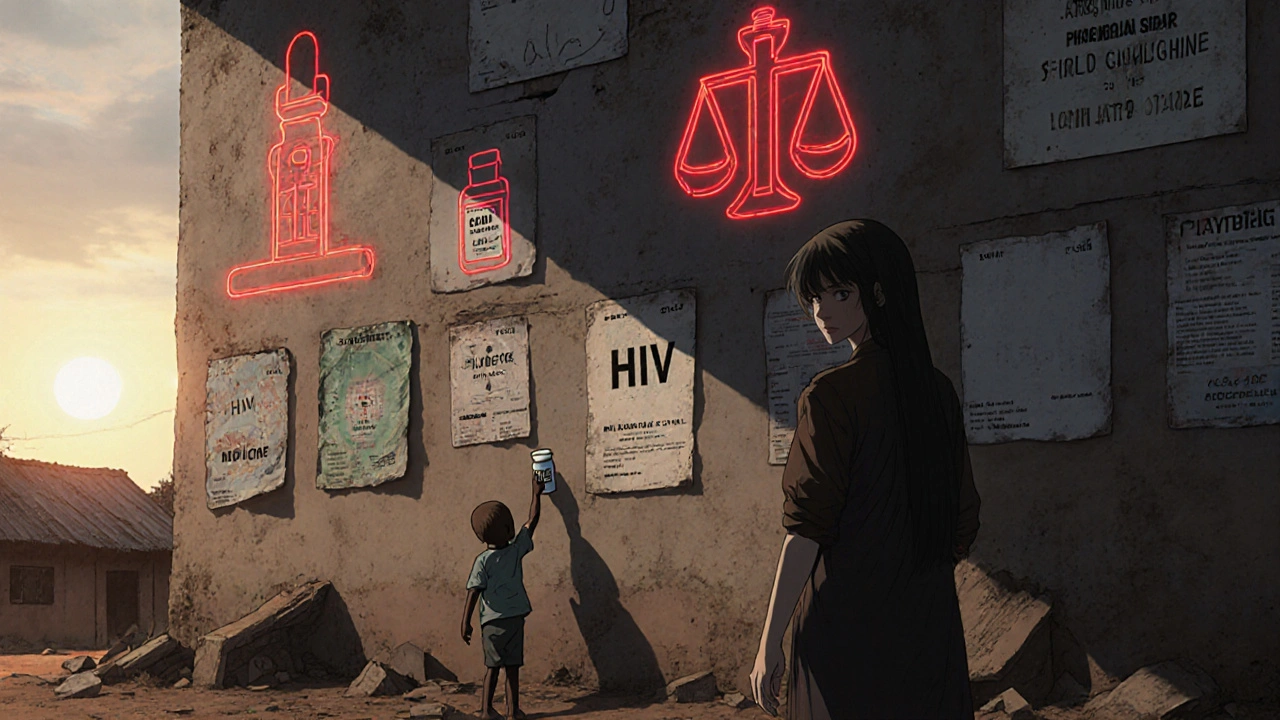
Patent Rights in Pharma: How Drug Companies Control Access and Prices
When you hear patent rights, legal protections that let companies exclusively sell a new drug for a set time. Also known as drug exclusivity, these rights are meant to reward innovation—but they also decide who gets affordable medicine and when. In the U.S., a typical pharmaceutical patent lasts 20 years from filing, but that clock often starts long before the drug even reaches shelves. By the time the FDA approves it, you might only have 7–10 years of real market control left. That’s why companies get creative.
Evergreening, a tactic where makers tweak an old drug slightly—like changing the pill shape or adding a new dosage—to get a new patent is one of the most common tricks. It’s not fraud, but it’s not innovation either. It’s legal maneuvering that keeps generics off the market for years longer than intended. The Hatch-Waxman Act, the 1984 law that created a path for generic drugs to enter the market was supposed to balance innovation with access. Instead, it gave big pharma a playbook: file for new patents, sue generic makers, delay approvals, and keep prices high. Patent litigation, the legal battles between brand-name and generic companies now routinely stretch for years, with courts deciding whether a patent is valid or just a delay tactic.
What does this mean for you? If you’re on a medication that costs $500 a month, a generic version might be available tomorrow—or it might take five more years. It depends on who owns the patents, how aggressively they defend them, and whether the FDA grants tentative approval while lawsuits drag on. The system isn’t broken—it was built this way. But understanding how patent rights work helps you ask better questions: Why is this drug so expensive? Is there a generic coming? Can I switch safely? The posts below break down real cases: how companies extend patents on statins, how generic makers wait for legal clearance, why some drugs never go generic, and how you can spot when pricing is being manipulated—not because of cost, but because of control.