Opioid Overdose: Signs, Risks, and What to Do in an Emergency
When someone experiences an opioid overdose, a life-threatening reaction to too much opioid medication or illicit drug. Also known as opioid poisoning, it slows or stops breathing and can kill within minutes. This isn’t rare—it’s one of the leading causes of accidental death in many countries. People don’t need to be addicts to overdose. Sometimes it’s a single pill taken with alcohol, or a batch of street drugs laced with fentanyl, a synthetic opioid 50 to 100 times stronger than morphine that no one saw coming.
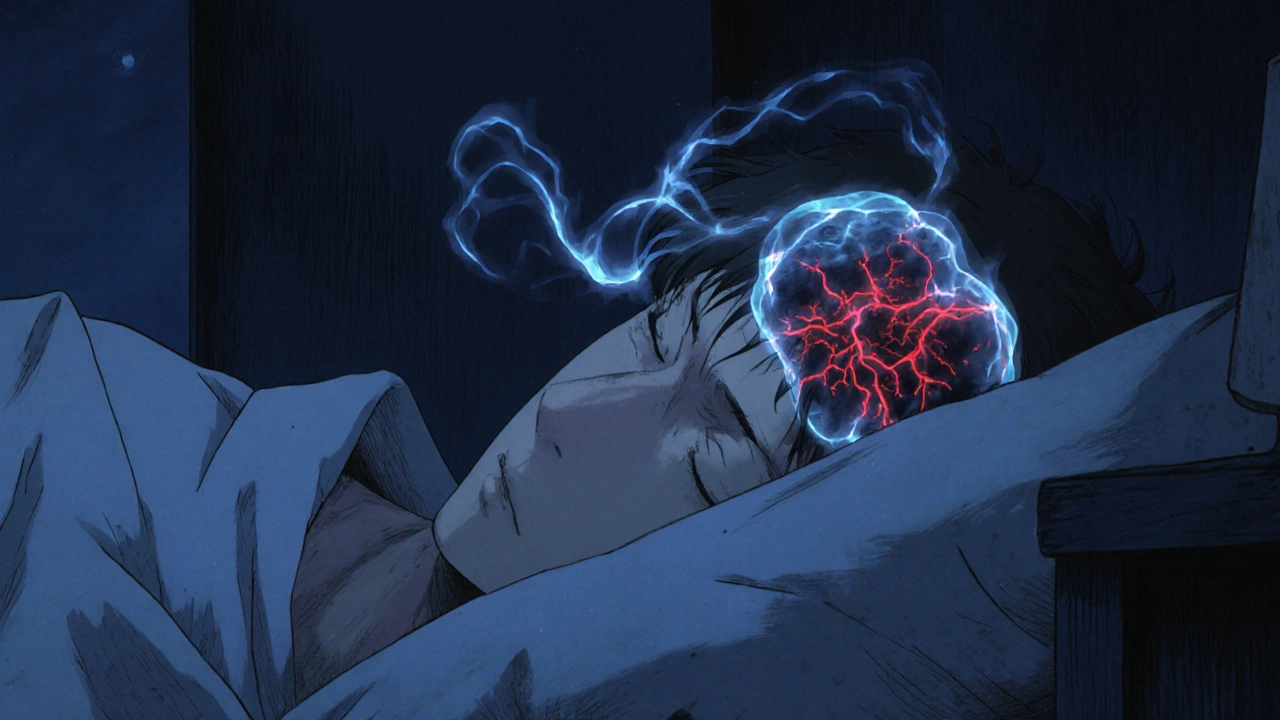
Most overdoses happen because the brain’s breathing center shuts down. The person becomes unresponsive, their lips turn blue, and their breathing turns shallow or stops. You might think they’re just passed out—but they’re dying. That’s why knowing the signs matters more than ever. naloxone, a fast-acting medication that reverses opioid effects can bring someone back if given in time. It’s safe, easy to use, and available without a prescription in many places. Carrying it isn’t just for addicts—it’s for friends, family, coworkers, anyone who might be around someone using opioids.
It’s not just about heroin or prescription painkillers anymore. Fentanyl shows up in counterfeit pills labeled as oxycodone or Xanax. Even a tiny amount can be deadly. People think they’re taking a regular pill, but they’re not. And mixing opioids with alcohol, benzodiazepines, or sleep aids makes it worse—each one slows breathing more. You don’t need to be a heavy user. One time, one pill, one mistake—that’s all it takes.
If you see someone who’s not waking up, isn’t breathing right, or has blue lips, act fast. Call emergency services. Give naloxone if you have it. Start rescue breathing. Don’t wait. Don’t assume they’ll wake up on their own. Every minute counts. The people who survive often say the same thing: someone acted before they panicked. That’s the difference between life and death.
Below, you’ll find real-world guides on recognizing warning signs, understanding what drugs are most dangerous, and how to respond when seconds matter. These aren’t theory pieces—they’re tools made for real situations. Whether you’re helping a loved one, managing your own meds, or just want to be prepared, this collection gives you what you need—no jargon, no fluff, just clear steps that could save a life.