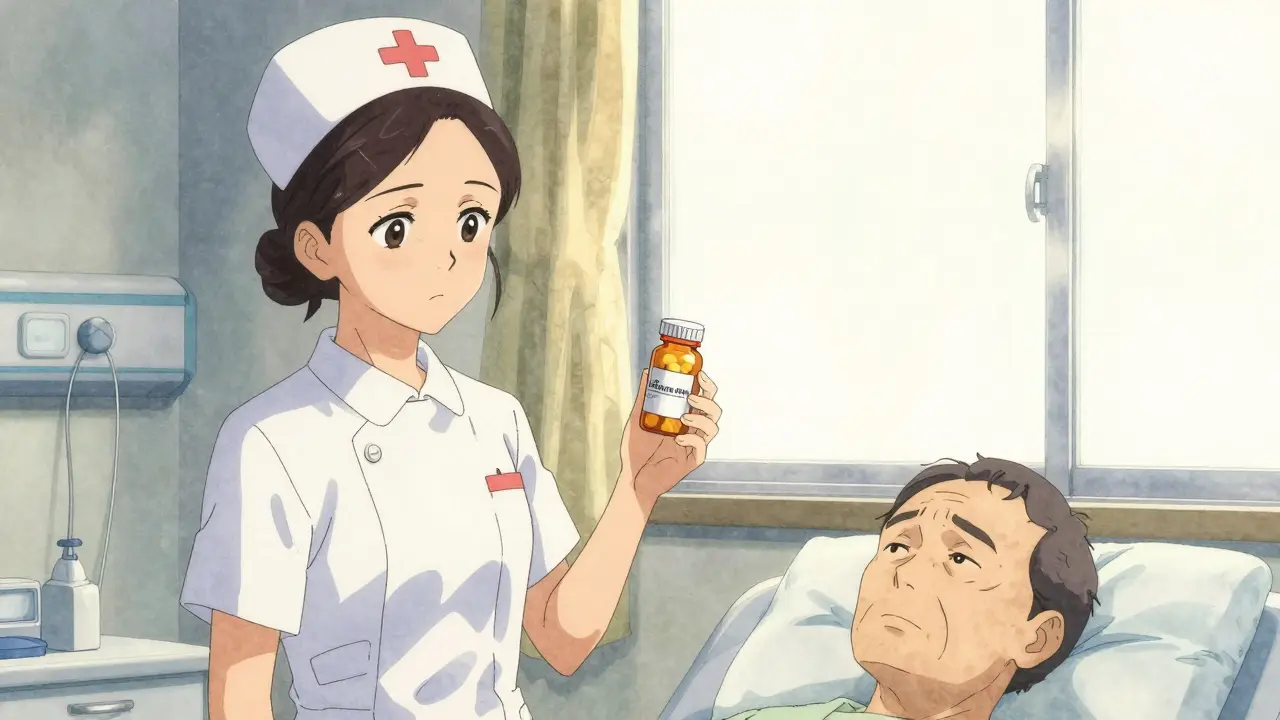
Medication Adherence: Why Sticking to Your Prescriptions Saves Lives
When you’re told to take a medicine every day, medication adherence, the practice of taking drugs exactly as prescribed, including timing, dosage, and duration. Also known as drug compliance, it’s not just about following rules—it’s the single biggest factor in whether your treatment works or fails. It’s not laziness. It’s not forgetfulness alone. It’s a mix of confusing instructions, scary side effects, high costs, and the quiet belief that if you feel fine, you don’t need the pill anymore. But skipping doses—even just once a week—can turn a manageable condition into a hospital visit.
Think about blood pressure meds. If you skip them because your headache’s gone, your arteries are still under stress. Or diabetes drugs: skipping a dose might not make you feel awful right away, but over time, it damages your kidneys, eyes, and nerves. medication side effects, unwanted reactions that can range from mild nausea to life-threatening bleeding are a major reason people quit. And when those side effects aren’t discussed upfront, patients assume it’s normal—and stop. treatment failure, when a drug stops working because it wasn’t taken correctly isn’t always because the medicine is broken. Sometimes, it’s because the person taking it couldn’t keep up.
What makes this worse? Many people don’t know how to talk to their doctor about it. They’re afraid of sounding like they’re complaining. Or they think their pharmacist won’t care. But the truth is, your provider needs to know if you’re skipping pills. That’s how they adjust your dose, switch you to a simpler regimen, or help you find cheaper options. And it’s not just about pills—some treatments need timing, like antibiotics taken every 8 hours, or insulin that must match meals. Missing one window can throw off your whole system.
You’ll find posts here that break down real cases: how clarithromycin can wreck your statin if you don’t space them right, why people stop blood thinners after a scare, how gut health affects whether your meds even get absorbed, and how counterfeit drugs make adherence even harder when you can’t trust what’s in the bottle. You’ll see how people manage complex regimens with multiple drugs, how technology helps remind you, and why some simple tricks—like keeping meds next to your toothbrush—work better than fancy apps.
This isn’t about guilt. It’s about making your treatment fit your life—not the other way around. If you’ve ever wondered why your doctor keeps asking if you’re taking your meds, now you know: it’s not because they don’t trust you. It’s because they know how much is on the line.