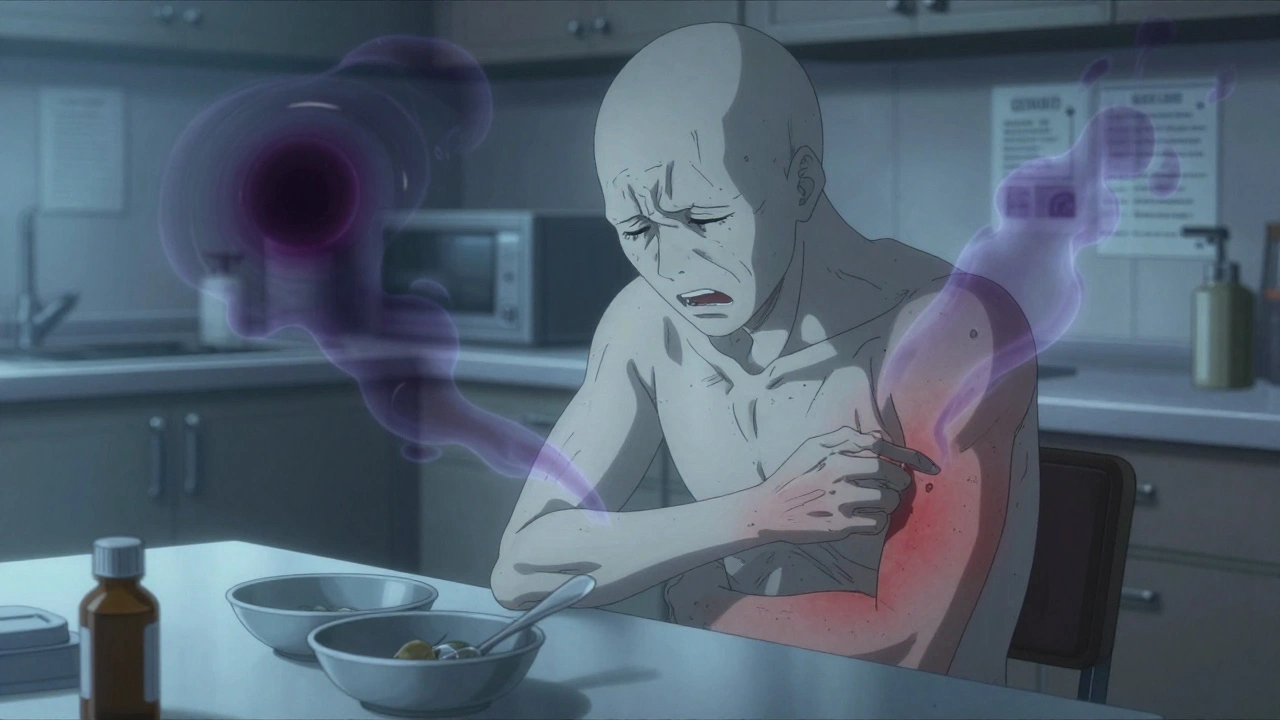
Kidney Failure Symptoms: What to Watch For and When to Act
When your kidneys, organs that filter waste and balance fluids in your body. Also known as renal system, they work silently—until they don’t. Kidney failure doesn’t always come with a siren. It sneaks in. You might feel tired, swollen, or just "off," but brush it off as stress or aging. That’s dangerous. By the time you notice clear signs, damage may already be advanced. The truth? Kidney failure symptoms often show up late because kidneys can keep working even when 70% damaged. But catching them early? That’s where you gain control.
Early signs include swelling in your ankles or feet, a weird metallic taste in your mouth, or constant itching without a rash. These aren’t random. They’re your body’s way of saying waste is building up. You might also notice you’re peeing less—or more at night. Or maybe you’re dizzy when you stand up, even though you’re drinking enough water. That’s fluid imbalance. Or you feel exhausted all the time, even after sleeping. That’s not just laziness—it’s anemia from reduced erythropoietin, a hormone your kidneys make. These aren’t side effects of a bad night. They’re acute kidney injury, a sudden drop in kidney function, often from dehydration, infection, or drug reactions or chronic kidney disease, a slow, progressive loss of function over months or years talking.
And then there’s the big red flag: confusion or trouble thinking clearly. That’s uremia—toxins flooding your brain because your kidneys can’t flush them out. This isn’t normal forgetfulness. It’s medical. If you’re also short of breath, have chest pain, or notice your skin turning yellowish or gray, you’re in danger. These are signs your body is shutting down. People often wait too long. They think, "I’ll just drink more water," or "Maybe it’s the meds." But kidney failure doesn’t fix itself. It needs action—fast.
You don’t need to be old or diabetic to get here. Even healthy people can develop kidney problems from overusing NSAIDs, severe infections, or even prolonged dehydration from intense workouts or illness. And if you’re on long-term meds—like certain antibiotics, blood pressure pills, or painkillers—you’re at higher risk. That’s why tracking your symptoms matters. Write down changes: swelling, fatigue, urine output, appetite. Bring it to your doctor. No guesswork. No waiting.
Below, you’ll find real, practical posts that help you spot these signs before it’s too late. You’ll learn how to track your kidney health at home, what lab results actually mean, which medications to watch out for, and how to talk to your doctor without sounding paranoid. These aren’t theory pieces. They’re tools built by people who’ve been there—either for themselves or someone they love. You don’t need to wait for a crisis. Start now.