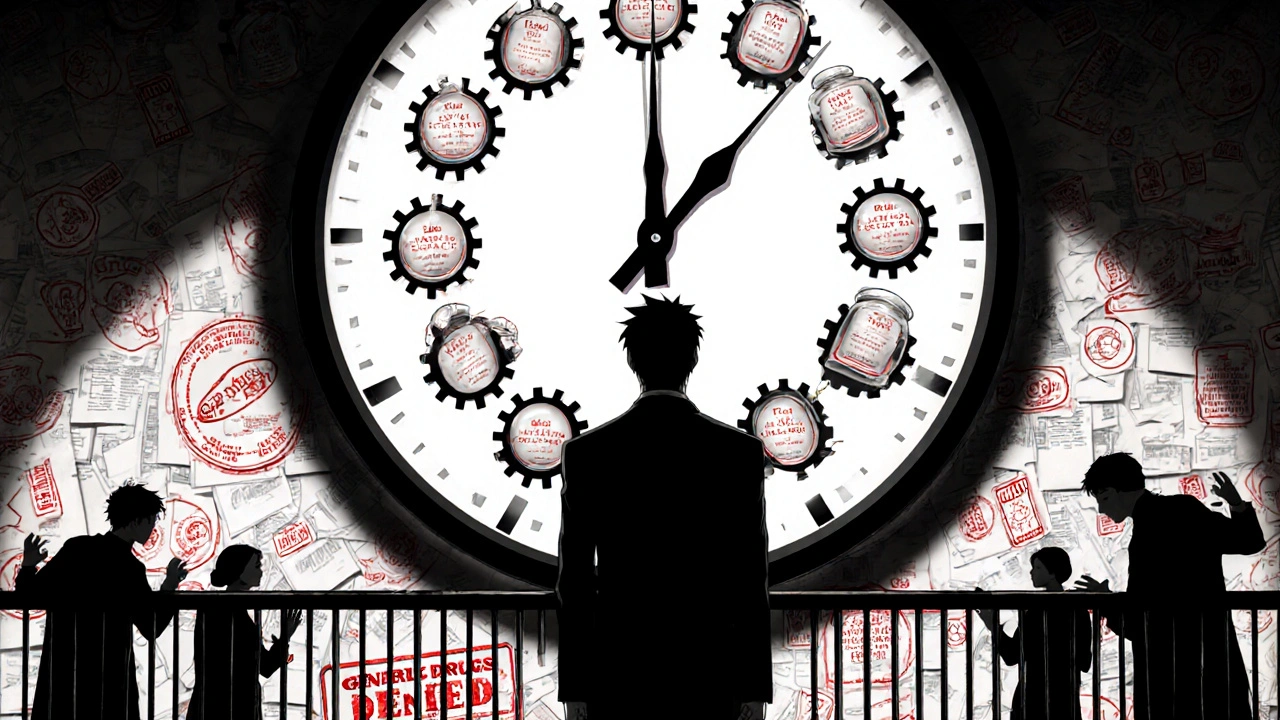
Drug Pricing: Why Medications Cost What They Do and How to Save
When you pick up a prescription, the price you pay isn’t random—it’s the result of drug pricing, the system that determines how much pharmaceutical companies charge for medications, influenced by patents, regulations, and market control. Also known as medication cost structure, it’s what makes the same pill cost $1 in one country and $100 in another. This isn’t about production costs. It’s about who owns the right to sell it, and for how long.
Generic medicines, lower-cost versions of brand-name drugs that become available after patents expire. Also known as off-patent drugs, they make up 90% of U.S. prescriptions but only 12% of total drug spending. That’s billions saved every year. But here’s the catch: even when generics are legal, they don’t always reach the market. The TRIPS agreement, a global treaty enforced by the WTO that sets minimum standards for intellectual property, including drug patents. Also known as Trade-Related Aspects of Intellectual Property Rights, it gives drug makers up to 20 years of market exclusivity—often longer thanks to legal loopholes. Countries like India and Brazil have used compulsory licensing to make affordable HIV drugs, but most nations can’t or won’t push back against pressure from big pharma.
Then there’s patent rights, the legal monopoly that lets companies control pricing, extend exclusivity through minor reformulations, and block competitors. Also known as pharmaceutical patents, they’re the reason a $100 pill can stay at that price for years—even after the active ingredient was discovered decades ago. Some companies tweak a drug’s coating or dosage form just to reset the clock. This isn’t innovation. It’s called evergreening, and it keeps prices high.
Meanwhile, patients are left guessing. Why does insulin cost $300 in the U.S. but $15 in Canada? Why can’t you get a generic version even though the patent expired? The answers aren’t in your doctor’s office—they’re in boardrooms, trade courts, and international treaties. The drug pricing system isn’t broken. It’s working exactly as designed—for shareholders, not patients.
But you’re not powerless. Knowing how generics work, recognizing when a drug should be cheaper, and understanding your rights under laws like the Hatch-Waxman Act can help you cut costs. You’ll find real stories here: how people saved hundreds by switching to generics, why some statins are safer with certain antibiotics, how to spot fake medicine packaging, and why a patent dispute in a courtroom can delay your next refill by years. These aren’t abstract policies. They’re your next prescription—and your next bill.