Compulsory Licensing: How Governments Override Patents to Lower Drug Prices
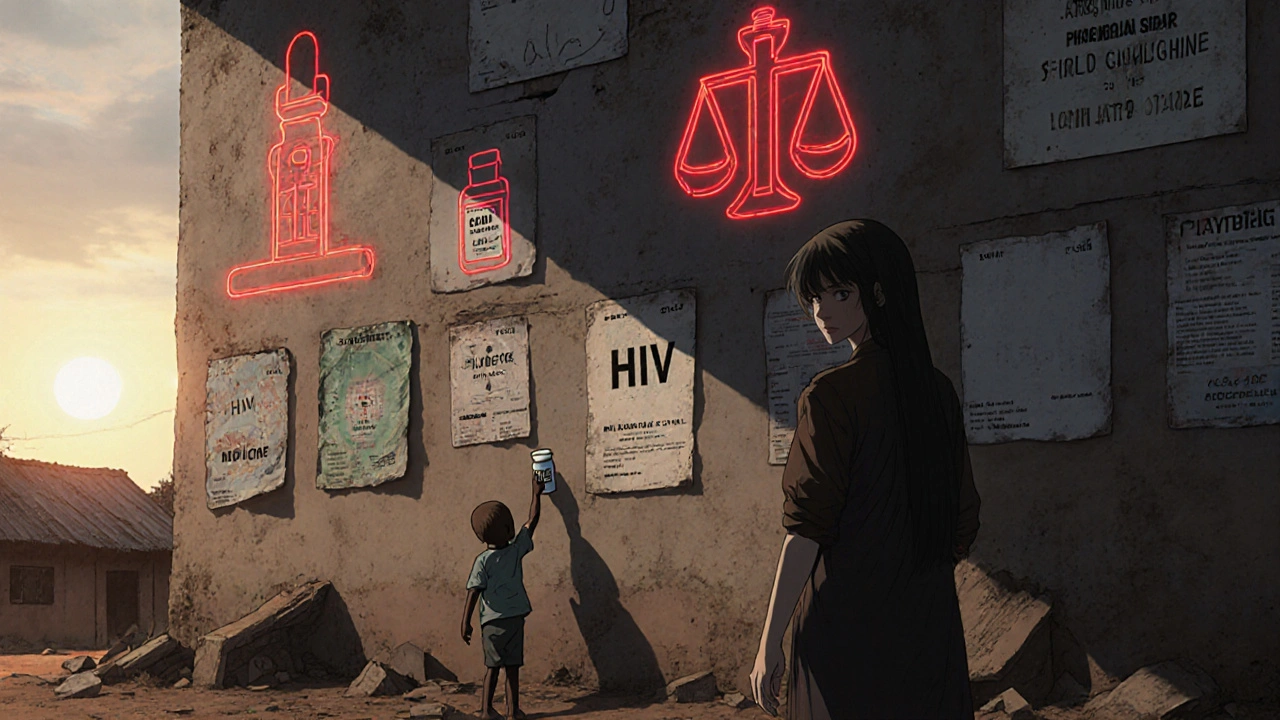
When a life-saving drug is priced out of reach, compulsory licensing, a legal tool that lets governments authorize generic production without the patent holder’s consent. Also known as government use licenses, it’s not a loophole—it’s a right under international trade rules like the TRIPS Agreement. This isn’t about stealing innovation. It’s about balancing profit with survival. Countries facing epidemics, chronic shortages, or unaffordable treatments use this to get generic versions of HIV meds, cancer drugs, or insulin on shelves fast.
Compulsory licensing enables generic drugs, lower-cost versions of brand-name medications that meet the same safety and effectiveness standards to enter markets where patents block them. It relates to patent rights, the legal monopoly drugmakers hold for 20 years to recoup R&D costs, but it doesn’t erase them. Instead, it temporarily overrides them for public good. Countries like Thailand, Brazil, and Canada have used it for HIV drugs. India, the world’s largest generic producer, has issued licenses for cancer treatments like Nexavar. Even the U.S. has considered it during public health emergencies.
What you won’t see in big pharma ads is how often this tool is needed. A single patented drug can cost $100,000 a year. The generic version? Often under $1,000. That’s not just savings—it’s access. Compulsory licensing doesn’t kill innovation. It stops companies from holding patients hostage to price hikes after their patent expires. It’s the counterweight to evergreening, patent thickets, and price gouging. When people can’t afford medicine, the system has to bend.
Below, you’ll find real-world examples of how this plays out—from legal battles over HIV meds to how generic manufacturers prepare for market entry after a patent is challenged. You’ll see how patients and governments push back against high prices, and what happens when the system finally works the way it was meant to: for people, not just profits.