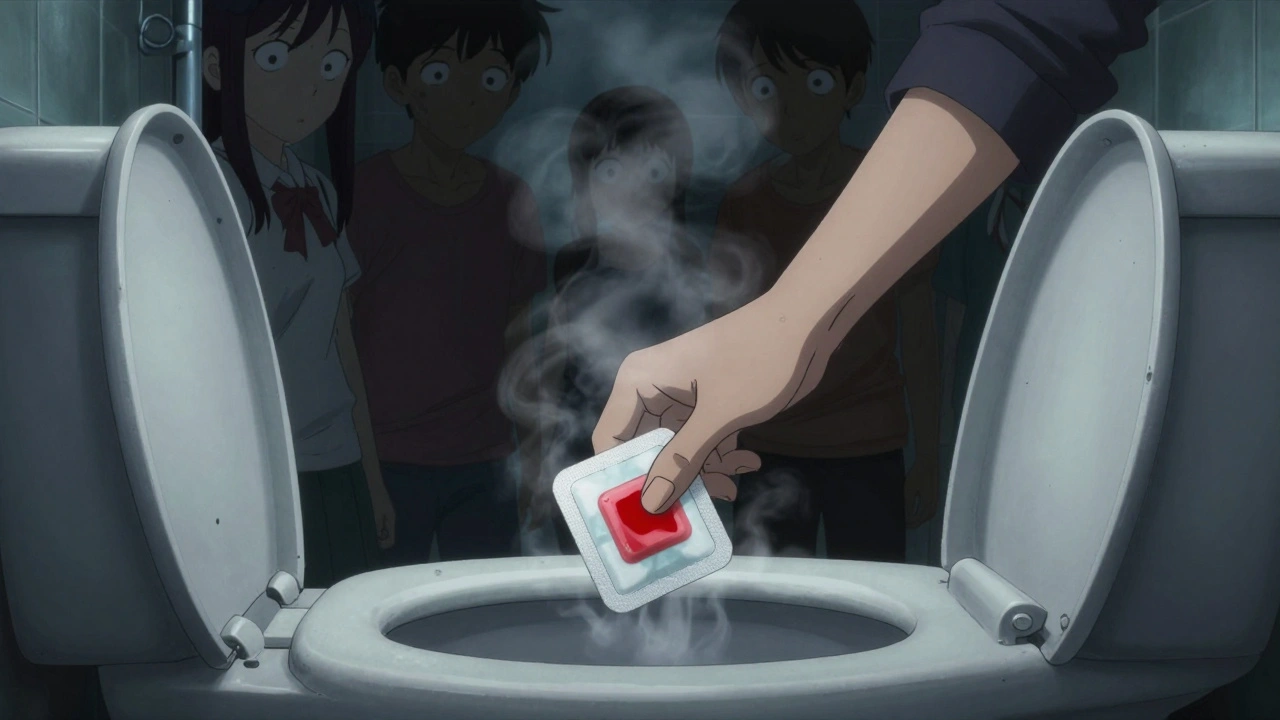
Putting old pills in the trash might seem harmless-until it’s not. Every year, children, teens, and even adults find unused medications in household bins and accidentally-or intentionally-take them. The results can be deadly. The flush list from the U.S. Food and Drug Administration (FDA) exists for one reason: to stop preventable deaths. These aren’t just guidelines. They’re life-saving rules for 11 specific types of medications that must never go in the trash. If you’re unsure whether your medicine belongs on this list, you’re not alone. Most people don’t know the difference between what can be tossed and what must be flushed.
Why Some Medications Can’t Go in the Trash
Not all expired or unused drugs are the same. Most can be safely disposed of by mixing them with coffee grounds or cat litter, sealing them in a plastic bag, and tossing them in the bin. But for a small group of powerful drugs, that method is far too risky. These medications can kill someone with just one dose. Fentanyl, for example, is 50 to 100 times stronger than morphine. A single patch left in the trash can be enough to stop a child’s breathing. That’s why the FDA says: if it’s on the flush list, flush it-right away.The problem isn’t just accidental poisoning. It’s also intentional misuse. In 2019, over half of people who misused prescription painkillers got them from friends or family-often by digging through their trash. A teenager in Ohio found oxymorphone (OPANA ER) in a neighbor’s garbage and died from an overdose. That case led to new local laws requiring special disposal for certain controlled substances. The same thing happens far more often than you think. In 2022, poison control centers in the U.S. handled nearly 9,000 cases involving fentanyl exposure, and 42% of those involved children under five.
The FDA’s Flush List: What You Must Never Trash
The FDA’s flush list is short but critical. Here are the exact medications that must be flushed down the toilet, not thrown away:- Buprenorphine - found in BELBUCA, BUAVAIL, BUTRANS, SUBOXONE, SUBUTEX, ZUBSOLV
- Fentanyl - found in ABSTRAL, ACTIQ, DURAGESIC, FENTORA, ONSOLIS
- Hydromorphone - EXALGO
- Meperidine - DEMEROL
- Methadone - DOLOPHINE, METHADOSE
- Morphine - ARYMO ER, AVINZA, EMBEDA, KADIAN, MORPHABOND ER, MS CONTIN, ORAMORPH SR
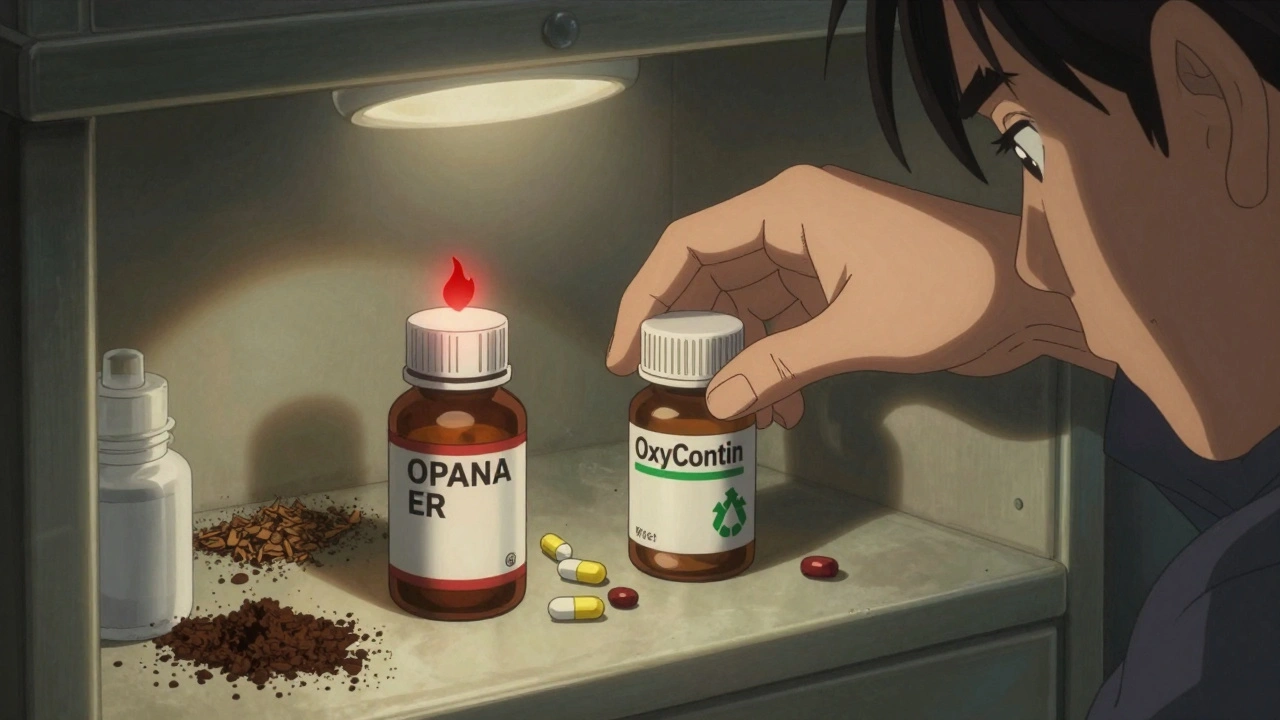
- Oxymorphone - OPANA, OPANA ER
- Tapentadol - NUCYNTA, NUCYNTA ER
- Sodium oxybate - XYREM, XYWAV
- Diazepam rectal gel - DIASTAT, DIASTAT ACUDIAL
- Methylphenidate transdermal system - DAYTRANA
These aren’t random drugs. They’re all either powerful opioids or central nervous system depressants with a high risk of abuse and a low margin for error. A single fentanyl patch, if handled by someone who doesn’t need it, can be fatal. The same goes for methadone or oxymorphone. The FDA’s stance is clear: the risk of death from accidental exposure outweighs the environmental risk of flushing.
What About the Environment? Isn’t Flushing Bad for Water?
Yes, flushing medicine can end up in waterways. Studies show wastewater plants remove only 30% to 90% of pharmaceutical compounds. Some, like carbamazepine, barely get filtered at all. Fish and aquatic life can be affected. But here’s the trade-off: the EPA and FDA both agree that for these specific drugs, the danger of leaving them in the trash is far greater.Dr. John Scott from the EPA’s National Homeland Security Research Center testified before Congress in 2022: “The environmental impact of a single fentanyl patch flushed is negligible compared to the potential for multiple fatalities if that same patch is accessed from household trash.” That’s the core logic behind the flush list. It’s not about ignoring pollution-it’s about choosing which risk to prioritize. One death is too many. One patch flushed is a small price to pay.
What to Do With Medications NOT on the Flush List
If your medicine isn’t on the flush list, don’t flush it. Instead, follow these steps:- Take the pills or liquid out of their original bottles.
- Don’t crush tablets or capsules-just leave them as they are.
- Mix them with something unappealing: used coffee grounds, cat litter, or dirt.
- Put the mixture into a sealed plastic bag or container.
- Throw the sealed container in your household trash.
This makes the drugs unattractive and hard to recover. It’s not perfect, but it’s the safest method for non-flush medications. Avoid rinsing pills down the sink or toilet unless they’re on the list. And never just toss the bottle without removing the pills-the label with your name and prescription details is a privacy risk.
Where to Take Unused Medications Safely
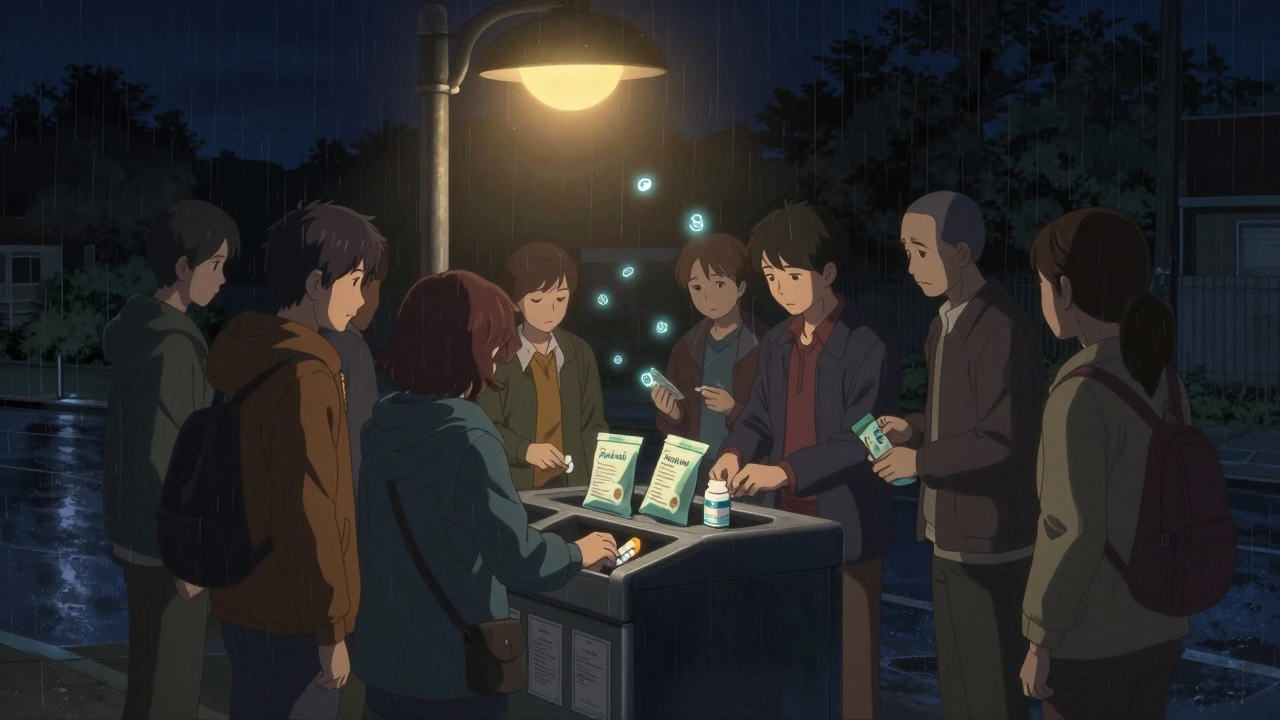
The best option? Take them to a drop-off location. Many pharmacies, hospitals, and police stations have secure collection bins. Walgreens has over 2,000 disposal kiosks across the U.S. CVS has nearly 1,800. Some states, like Minnesota, have more than 300 locations. These bins accept most non-controlled medications and some controlled substances, depending on local laws.In Australia, take-back programs are less widespread, but many pharmacies offer disposal services. Check with your local pharmacy or visit the Therapeutic Goods Administration (TGA) website for approved collection points. If you can’t find one, use the trash method for non-flush meds-but always flush what’s on the list.
Why People Get It Wrong (And How to Avoid Mistakes)
A 2022 study found only 43% of patients could correctly identify which meds needed flushing. That’s a huge gap. Why? Because instructions are confusing. Pharmacists report that patients often mix up “flush” and “trash” rules. Some think crushing pills makes them safer. Others flush everything to be “extra careful.” Both are wrong.Here’s how to avoid mistakes:
- When you get a new prescription, ask: “Is this on the FDA flush list?”
- Keep a printed copy of the flush list near your medicine cabinet.
- Don’t rely on memory-check the label or the FDA website.
- When cleaning out your medicine cabinet, separate flush-list drugs immediately.
- Never assume a drug is safe to trash just because it’s old or you don’t use it anymore.
Also, be aware of newer formulations. The FDA updated the flush list in January 2023 to include newer versions of older drugs. Just because you’ve used a medication for years doesn’t mean its disposal rules haven’t changed.
What’s Changing in the Future
The push for safer disposal is growing. Companies like DisposeRx are selling single-use powder packets that turn pills into gel when mixed with water-making them impossible to recover. Over 1,200 pharmacies in the U.S. now offer them. The EPA’s new monitoring rules require testing for 30 pharmaceuticals in drinking water, which will pressure manufacturers to improve disposal tech.Legislation is also catching up. The SNIPED Act, introduced in Congress in 2023, would require doctors to give disposal instructions with every Schedule II prescription. That’s a big step. But until then, the responsibility falls on you. If you’re holding a fentanyl patch, a methadone tablet, or oxymorphone, don’t wait. Don’t hope. Don’t assume. Flush it.
Final Reminder: When in Doubt, Flush
It’s simple: if you have any of the 11 medications on the FDA flush list, flush them immediately. No waiting. No mixing. No second-guessing. The risk of keeping them-even for a day-is too high. For everything else, mix with coffee grounds, seal it, and trash it. And if you can find a take-back program, use it. But never, ever put a fentanyl patch, a methadone tablet, or a diazepam rectal gel in the trash. Someone could die because of it.What happens if I accidentally flush a medicine not on the flush list?
If you flush a medication not on the FDA’s flush list, it’s not an emergency, but it’s not ideal. The drug may end up in waterways, and wastewater treatment doesn’t fully remove all pharmaceuticals. For non-flush meds, always use the trash method: mix with coffee grounds or cat litter, seal in a bag, and throw it away. If you’ve already flushed one, don’t panic-but make sure you know the correct method going forward.
Can I flush pills down the toilet if I don’t have a trash option?
Only if the medication is on the FDA’s flush list. For all other pills, flushing is not recommended. Even if you don’t have a take-back program nearby, use the trash method: remove pills from the bottle, mix them with dirt or coffee grounds, seal in a plastic bag, and throw them away. Never flush non-flush-list medications.
Why can’t I crush my pills before throwing them away?
The FDA advises against crushing pills because it can release dangerous chemicals into the air or make the drug more accessible if someone finds the powder. Some pills are designed to release slowly-crushing them can cause a dangerous dose to be absorbed all at once. Even if you’re disposing of them, it’s safer to leave them intact and just mix them with an unappealing substance like coffee grounds or cat litter.
Do I need to remove the label from the pill bottle before trashing it?
Yes. The label has your name, prescription number, and the name of the medication-information that can be used for identity theft or to target you for scams. Scratch it out with a marker, peel it off, or tear the bottle apart so the label can’t be read. You don’t need to destroy the bottle itself, just make sure your personal info is unreadable.
Are there any medications on the flush list that are commonly mistaken for safe-to-trash drugs?
Yes. Many people assume all opioid painkillers are safe to trash, but only specific ones are on the flush list. For example, oxycodone (OxyContin) is not on the list-so you should mix it with coffee grounds and trash it. But oxymorphone (OPANA ER) is on the list and must be flushed. The names are similar, but the rules are different. Always check the exact generic or brand name against the FDA’s official list.


Michael Bene
December 2, 2025 AT 12:12Okay but let’s be real-flushing fentanyl patches is like saying ‘here’s my contribution to the ocean’s opioid crisis.’ 🤡 I get the intent, but we’re trading one disaster for another. The FDA’s ‘flush list’ feels like a band-aid on a gunshot wound. Why not fund incinerators in every pharmacy? Or at least make manufacturers take back their own toxic little pills? Someone’s gotta pay for this mess, and it shouldn’t be the fish.
Mindy Bilotta
December 3, 2025 AT 13:15I’m a nurse and I see this all the time. Grandmas keep old painkillers ‘just in case’ and then forget they’re there. One time, a 4-year-old found a patch under the couch. We got there in time, but it was terrifying. I print out the FDA list and tape it to my medicine cabinet. If you’ve got any of those 11, just flush ’em. No excuses.
Ethan McIvor
December 3, 2025 AT 16:57It’s weird how we’ll throw away a broken toaster without a second thought but treat old pills like sacred relics. We’re scared of death, so we hoard the tools that could cause it. Maybe the real problem isn’t disposal-it’s our relationship with medicine. We treat pills like magic beans instead of chemicals with consequences. 🌱💔
parth pandya
December 5, 2025 AT 13:34just flush the damn patch if its on the list. i did it last week with my dads methadone. no big deal. water company prob doesnt even notice. but that kid in ohio? that’s on us. we ignored it till someone died. now we gotta act.
Albert Essel
December 6, 2025 AT 16:23There’s a real tension here between environmental responsibility and public safety. But the data is clear: accidental overdose deaths from improperly discarded opioids are orders of magnitude higher than documented aquatic contamination from flushing. The EPA’s stance isn’t ideal, but it’s pragmatic. We prioritize human life over hypothetical ecological harm when the margin of error is one pill.
Makenzie Keely
December 6, 2025 AT 21:29PLEASE. If you’re reading this, please, please, please-take a minute right now and check your bathroom cabinet. I did. Found three expired fentanyl patches in a drawer labeled ‘misc.’ I flushed them. I cried. I didn’t know they were there. I’m not a bad person. I’m just human. Don’t wait till it’s too late. 💔
Vincent Soldja
December 8, 2025 AT 07:18Gene Linetsky
December 9, 2025 AT 14:11Let me guess-this is all part of the government’s plan to control the population. They want you to flush your meds so they can track you through the water supply. Next they’ll put microchips in your toothpaste. The EPA doesn’t care about fish-they care about your compliance. Don’t be fooled. This isn’t safety. It’s control.
Joykrishna Banerjee
December 10, 2025 AT 05:37Frankly, the entire concept of pharmaceutical disposal is a Western bourgeois indulgence. In India, we use traditional methods-burying in soil, burning in temple fires. These so-called ‘flush lists’ reflect a pathological fear of death and an overreliance on institutional authority. The real solution? Stop prescribing opioids in the first place. But that would require systemic change, wouldn’t it? 😒
Charles Moore
December 12, 2025 AT 00:02I love that this thread is full of people who actually care enough to read the whole thing. Seriously. Most folks just scroll past. But you? You’re the ones who’ll save someone’s life. Whether you flush, drop off, or mix with coffee grounds-you’re doing the right thing. Keep being the quiet heroes. 🙏
Brian Perry
December 12, 2025 AT 10:30so i flushed my dad’s oxycontin last week and now my toilet smells like a pharmacy?? like literally. i think i broke the plumbing. also my cat stared at me like i’m a monster. i’m just sayin’… maybe we need better tech. like… i dunno… a pill-to-goo machine? 🤷♂️
Chloe Madison
December 12, 2025 AT 15:36Hey. I know this feels overwhelming. But you’re not alone. If you’ve got old meds sitting around, you’re not lazy-you’re just distracted. Life happens. But here’s your next step: tonight, right before bed, open your medicine cabinet. Find ONE thing on the flush list. Flush it. That’s it. One step. You’ve already won. Now go hug someone. You’re doing better than you think. 💪❤️