Every year, millions of people take medications to feel better or manage long-term conditions. But for many, the real danger isn’t the medicine itself-it’s what happens between the pharmacy and the pillbox. Medication errors aren’t rare. They happen in hospitals, clinics, and homes. And while doctors and pharmacists play their part, the patient is often the last line of defense. This isn’t about blaming patients. It’s about recognizing that no one knows your body, your routine, or your history better than you do. When you’re involved, mistakes get caught.
Knowing Your Medications Isn’t Optional
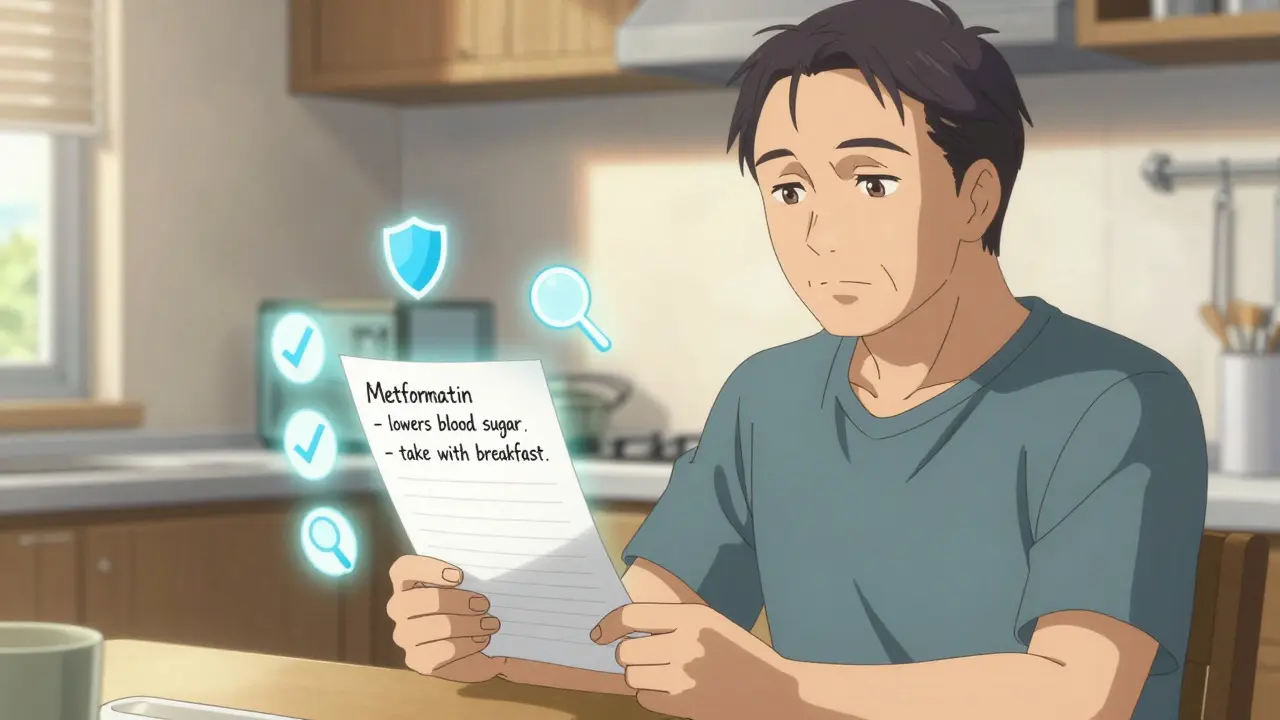
Think about this: if someone handed you a bottle labeled "Lunex 10mg" and said to take one daily, would you know what it was for? Would you recognize if it looked different from last time? Most patients can’t answer these questions. But those who can cut their risk of harm by 35%, according to the Institute for Safe Medication Practices. You don’t need to be a pharmacist. Just learn three things: the name (brand and generic), why you’re taking it, and what it’s supposed to do. Write it down. Keep it simple. "This is metformin. It lowers my blood sugar. I take it with breakfast." That’s enough to start.Keep a Personal Medication List
A personal medication list (PML) sounds basic-but it’s one of the most powerful tools you have. Studies show patients who use one have 42% fewer errors when moving between care settings-like going from hospital to home. Your list should include every pill, patch, injection, vitamin, herb, or supplement. Don’t leave anything out. Even that gummy vitamin you take because "it’s good for me." Why? Because 22% of dangerous interactions happen because a provider didn’t know about an over-the-counter product. Update this list every time your meds change. Keep a printed copy in your wallet and a digital version on your phone. Show it to every provider, every time.Ask Questions-Even If You Feel Awkward
You have a right to ask. Always. If your doctor says, "Take this new pill," ask: "What’s it for?" "What are the side effects?" "Is this replacing something I was on?" If the pharmacist gives you a pill that looks different, ask: "Is this the same medicine?" You’re not being difficult. You’re being smart. Research shows patients who question their meds catch 15% of prescription errors. One woman in Ohio stopped her child’s antibiotic overdose because she noticed the dose was 10 times higher than usual. She asked. She was told, "That’s right." She called the pharmacy. It was a typo. That’s the kind of moment that saves lives.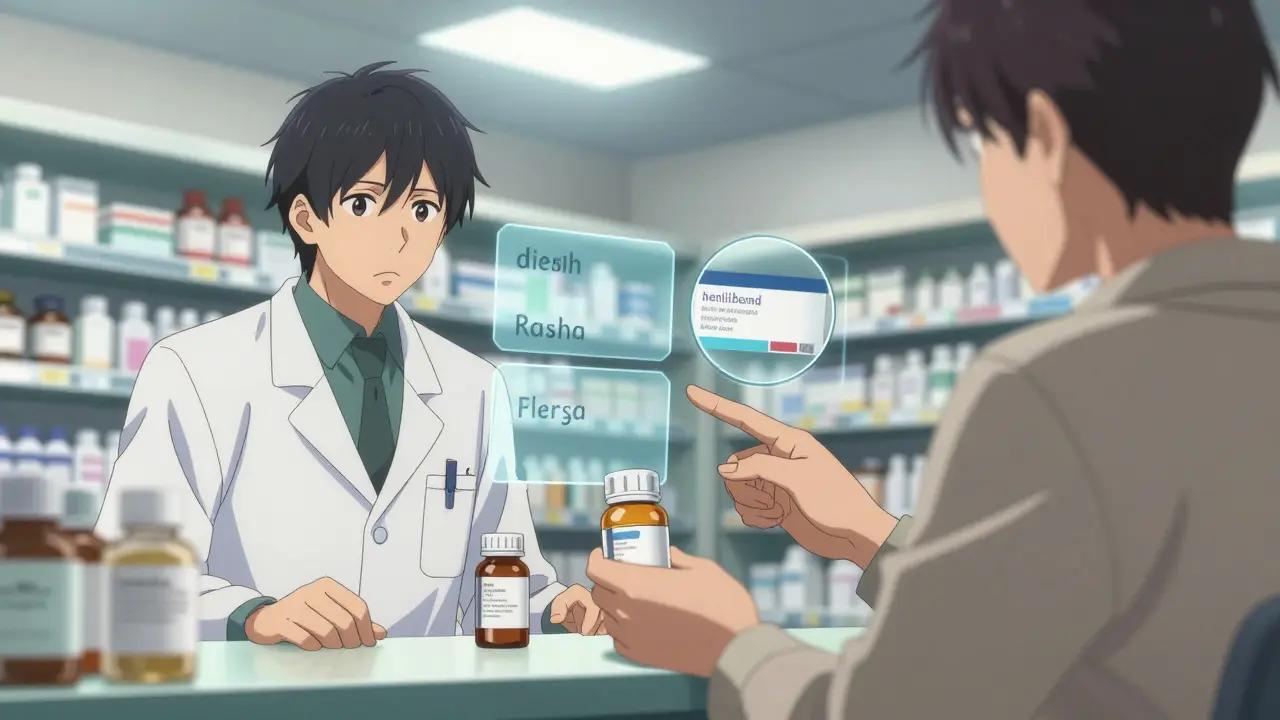
Watch for Changes in How You Feel
Side effects aren’t always obvious. Sometimes they start slow. A new rash. Unusual dizziness. Trouble sleeping. Feeling more tired than usual. These aren’t "just aging." They could be your body reacting to a drug interaction or wrong dose. The sooner you speak up, the better. Studies show that 63% of adverse events are caught early when patients report changes. Keep a short log: "Day 3: Felt shaky after taking pill. No fever. Not dizzy." Bring it to your next appointment. Your provider doesn’t need to be a mind reader. They need you to be their eyes and ears.Use Your Pharmacy and Tech Wisely
Pharmacies aren’t just places to pick up pills. They’re safety checkpoints. Ask your pharmacist to review your full list every time you fill a new prescription. Many offer free med reviews. Use apps like MyMedSchedule or your provider’s portal-but only if they’re simple. Complex apps turn people off. The average user spends 6.2 hours learning how to use safety tools properly. If it’s too hard, ask for printed instructions. Also, check your pill bottles. Does the label match what you were told? Does the pill look like it did last time? If not, speak up. Nineteen percent of dispensing errors are caught this way.Get Help If You Need It
Not everyone can manage meds alone. If you’re over 65, have memory issues, or struggle with reading, you’re not alone. About 36% of U.S. adults have trouble understanding health info. That doesn’t mean you’re failing. It means you need support. Ask a family member, friend, or community health worker to help. Many clinics now offer free training sessions using the "teach-back" method: you explain back what you were told. This raises safety behavior adoption from 31% to 67%. If you can’t afford help, call your local Area Agency on Aging. They’ll connect you.
What to Do in Emergencies
Emergency rooms are high-risk zones for medication errors. Patients are confused. Systems are rushed. You can’t always be fully involved. But you can still help. If you’re brought in, tell staff what meds you take. If you’re unconscious, make sure someone you trust has a copy of your med list. Keep it in your wallet or on your phone. Some people even wear a medical ID bracelet with their top three meds. It’s not glamorous-but it works.Barriers Are Real. So Are Solutions.
Yes, there are problems. Older adults use digital tools less. Health literacy gaps are wide. Some providers dismiss concerns. But change is happening. The FDA has trained over 12,000 patients as peer educators. Hospitals are now required to involve patients in medication reconciliation. The WHO says empowering patients isn’t optional-it’s a core safety strategy. The gap isn’t in your ability. It’s in the system’s willingness to listen. You can’t fix the system alone. But you can insist on being heard.Start Small. Stay Consistent.
You don’t need to become a medication expert overnight. Start with one thing. Write down your meds today. Ask your pharmacist one question next time you pick up a prescription. Tell a family member what you’re taking. These small steps add up. Research shows patients who receive even one hour of structured safety training are nearly twice as likely to catch an error. You’re not just taking pills. You’re managing your safety. And that’s a role no one else can play.What if I don’t understand my doctor’s instructions?
Ask them to explain it again. Use the teach-back method: repeat what you heard in your own words. If you still don’t understand, ask for written materials or a translator. Many clinics offer free health literacy support. Don’t pretend you get it. Misunderstanding leads to mistakes.
Can I trust my pharmacist more than my doctor about meds?
Pharmacists are medication experts. They see all your prescriptions, check for interactions, and spot errors that doctors might miss. Always ask your pharmacist to review your full list. They’re trained to catch problems before you even leave the pharmacy. Trust them-but don’t stop asking questions yourself.
I take supplements. Do I need to tell my doctor?
Yes. Supplements aren’t harmless. St. John’s Wort can interfere with antidepressants. Vitamin K can reduce the effect of blood thinners. Even common ones like calcium or magnesium can interact. Always list everything you take-even if you think it’s "just a vitamin."
What if my provider ignores my concerns?
If you feel dismissed, ask for a second opinion or ask to speak with a patient advocate. Many hospitals have patient safety offices. You can also contact your insurance provider’s member services. You have the right to be heard. If your safety is at risk, keep pushing.
Are there free tools to help me track my meds?
Yes. The CDC and AHRQ offer free printable medication lists. Apps like MyMedSchedule and Medisafe are available at no cost. Some pharmacies offer free pill organizers with labels. Look for programs at your local library, senior center, or community health clinic-they often provide training and tools.