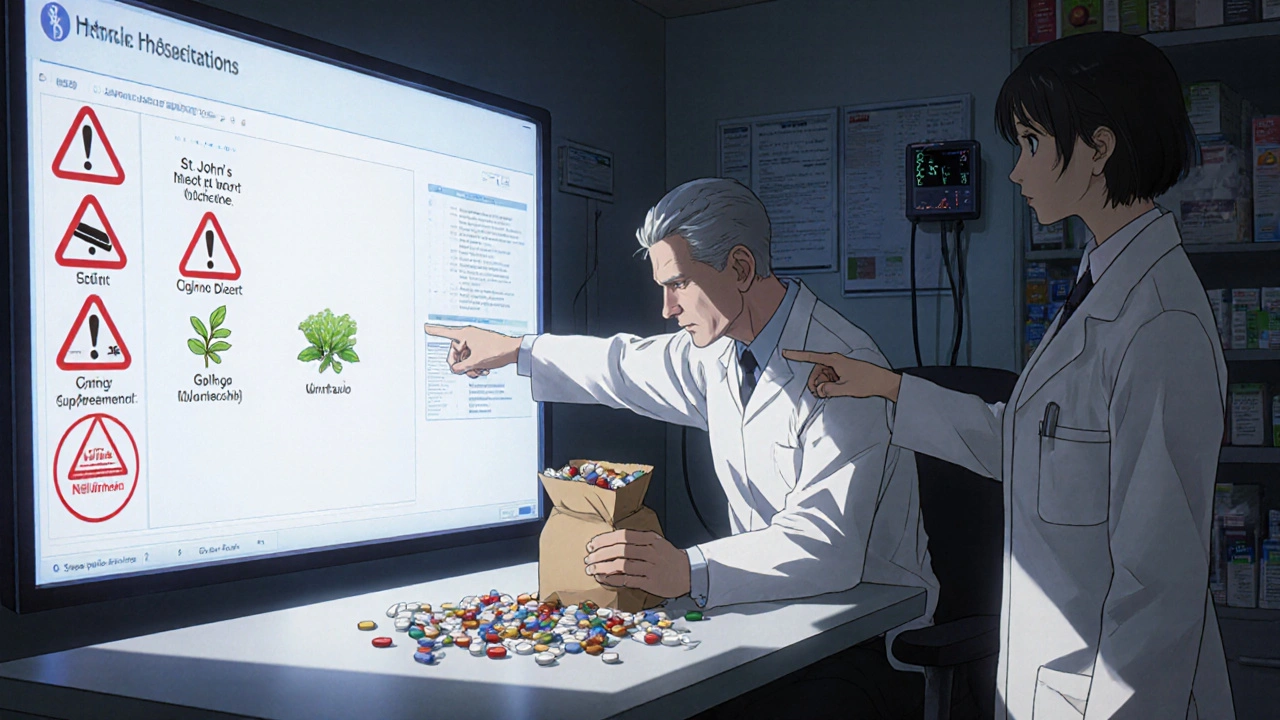
Supplement and Medication Interactions: What You Need to Know Before You Take Them Together
When you mix supplement and medication interactions, the unintended effects that happen when dietary supplements and prescription drugs are taken together. Also known as drug interactions, it can turn a harmless routine into a medical emergency. Many people think supplements are safe because they’re "natural," but that’s not true. A daily vitamin, herb, or protein powder can react badly with your blood pressure pill, cholesterol drug, or even your antibiotics. These aren’t rare edge cases — they happen every day, and often go unnoticed until someone ends up in the hospital.
Take clarithromycin, an antibiotic that blocks a key liver enzyme responsible for breaking down many drugs. When paired with certain statins, it can cause muscle damage so severe it leads to kidney failure. Or consider warfarin, a blood thinner that’s easily affected by vitamin K-rich supplements like green tea extract or ginkgo biloba. A small change in your daily pill routine can send your INR levels flying out of range. Even something as simple as St. John’s wort can make your birth control, antidepressant, or HIV medication useless. These aren’t theoretical risks — they’re documented in clinical studies and reported in ERs across the country.
It’s not just about what you take — it’s about when, how much, and who you are. Older adults on five or more meds are at the highest risk. People managing chronic conditions like diabetes, heart disease, or autoimmune disorders often don’t realize their supplements are working against their prescriptions. And because most doctors don’t ask about supplements, patients rarely mention them. That silence is dangerous. The good news? You don’t need to stop all supplements. You just need to know which ones to avoid with your specific meds. The posts below cover real cases: how parsnip supplements affect blood sugar while on diabetes drugs, why probiotics can interfere with immunosuppressants like cyclosporine, and how acetyl-L-carnitine stacks safely — or dangerously — with other brain boosters. You’ll also find guides on spotting counterfeit drugs, understanding FDA approval timelines, and what to do if you experience unexplained bleeding or muscle pain after starting a new pill. This isn’t guesswork. It’s the practical, no-fluff truth about what happens when your vitamins meet your prescriptions — and how to keep yourself safe.