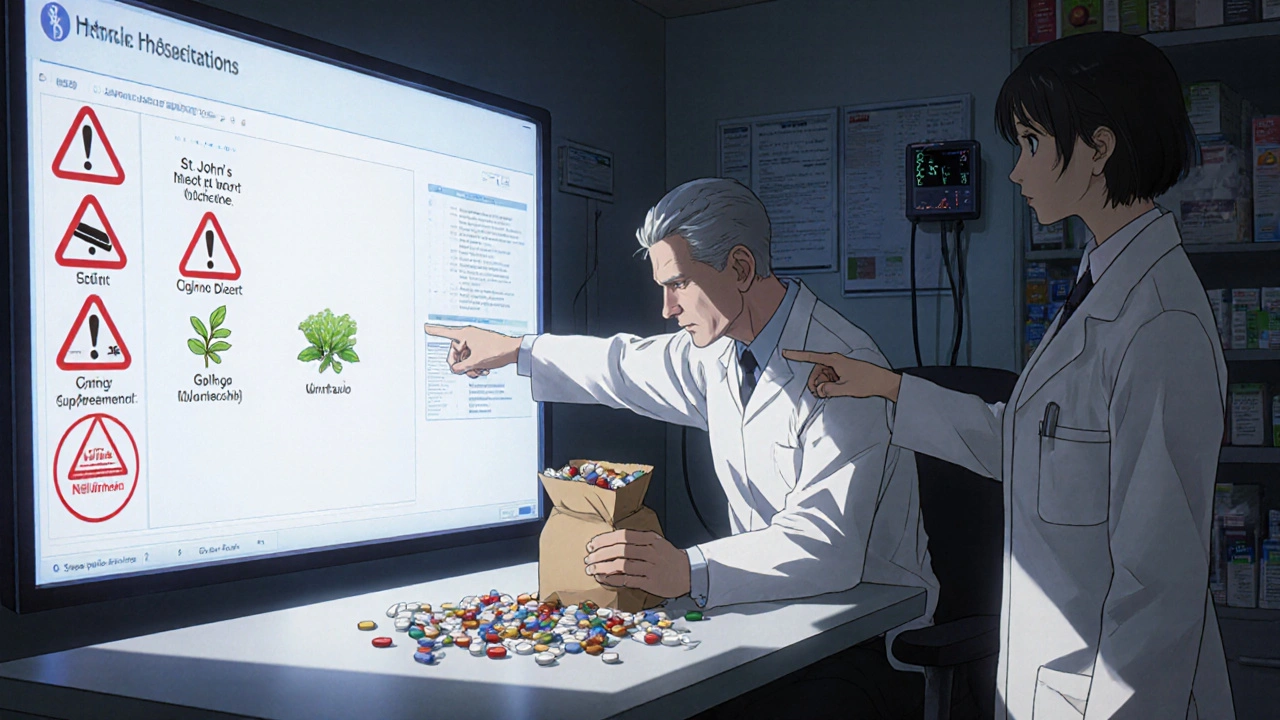
Safe Supplements with Drugs: What Works, What Risks, and How to Stay Protected
When you take safe supplements with drugs, natural products that are often assumed to be harmless when mixed with prescription medications. Also known as herbal or dietary interactions, it’s not just about what you’re adding—it’s about what you’re accidentally triggering in your body. Many people think if it’s labeled ‘natural,’ it’s safe. That’s a dangerous myth. Parsnip supplements might help your blood sugar, but if you’re on metformin or a statin, that ‘natural’ boost could push your levels too low—or worse, cause muscle damage. The same goes for probiotics, acetyl-L-carnitine, or even vitamin D analogs like alfacalcidol. They’re not harmless bystanders. They talk to your liver, your kidneys, your gut bacteria—and sometimes, they argue loudly with your meds.
Take clarithromycin, a common antibiotic that blocks the enzyme CYP3A4, which your body uses to break down many drugs. When it teams up with statins like simvastatin or atorvastatin, it doesn’t just slow things down—it causes a traffic jam. That’s how muscle toxicity happens. One study found patients on this combo had over 10 times the risk of rhabdomyolysis. Meanwhile, generic medications, the affordable versions of brand-name drugs that must meet the same FDA standards, aren’t always the same in how your body handles them. Switching from one generic to another, or mixing them with supplements, can change how fast or slow your body absorbs the active ingredient. And if you’re on blood thinners like DOACs? A single supplement like Brahmi or high-dose vitamin E can turn a minor cut into a medical emergency.
It’s not about avoiding supplements—it’s about knowing which ones play nice and which ones start fights. The posts below show you exactly what to watch for. You’ll find real cases: how aspirin helps foot pain but can bleed you out if you’re on anticoagulants, how gut health links eczema and IBS, and why buying cheap Neurontin or lisinopril online without checking the pharmacy can land you with fake pills. We cover the hidden risks of combining probiotics with immunosuppressants like cyclosporine, how opioids worsen sleep apnea, and why your Medical Power of Attorney matters when your meds start acting up. There’s no guesswork here. Just clear, practical facts from real patient experiences and clinical data. You’re not just reading—you’re learning how to protect yourself, one supplement at a time.