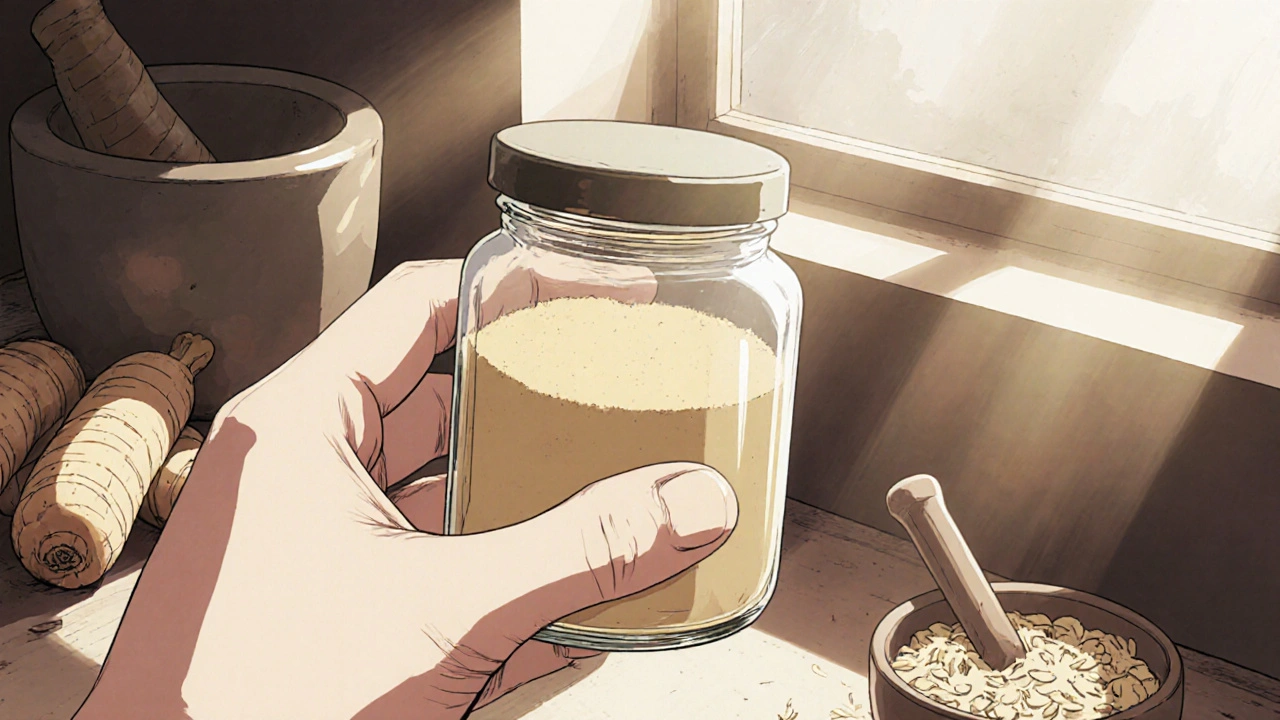
Natural Health: What Works, What Doesn't, and How to Stay Safe
When you hear natural health, a broad approach to wellness that relies on non-pharmaceutical methods like herbs, diet, and lifestyle changes. Also known as complementary medicine, it's something millions turn to every day—for energy, sleep, mood, or just to feel better without pills. But here’s the thing: just because something is natural doesn’t mean it’s safe, especially when you’re already taking medication. St. John’s wort can wreck your birth control. Ginkgo can turn a simple blood thinner into a bleeding risk. And probiotics? They might help your gut, but they won’t fix a broken immune system if you’re on immunosuppressants like cyclosporine.
Supplements, concentrated substances taken to support health, often derived from plants or synthetic versions of nutrients. Also known as nutraceuticals, they’re not regulated like drugs, so what’s on the label isn’t always what’s inside. That’s why checking for interactions matters more than ever. Take acetyl-L-carnitine—it’s great for brain energy, but stack it with the wrong thing, and you could be overloading your liver. Or consider herbal nootropics, plant-based substances used to enhance mental performance, like Brahmi or bacopa. Also known as cognitive enhancers, they’re popular for focus, but they don’t play nice with antidepressants or blood pressure meds. Even something as simple as vitamin D analogs like alfacalcidol can affect calcium levels and bone health if you’re already managing osteoporosis or hypocalcemia. And let’s not forget the gut—gut microbiota, the trillions of bacteria living in your digestive tract that influence everything from mood to metabolism. Also known as intestinal flora, they’re linked to eczema, obesity, and even how your body responds to medications like statins or antibiotics. If your gut’s off, your whole system feels it. That’s why some people see real improvement in skin flare-ups or weight issues just by fixing their microbiome—with the right probiotics, not random supplements.
There’s no magic bullet in natural health. What helps one person might hurt another, especially if you’re on prescriptions. The real power isn’t in buying the latest herbal blend—it’s in knowing what’s safe, what’s backed by science, and what to avoid. You’ll find clear, no-fluff guides here on exactly that: how to spot dangerous combos, how to verify your meds aren’t fake, how to use probiotics properly, and how to tell if that ‘natural’ remedy is actually working—or just wasting your money. No hype. Just facts you can use.