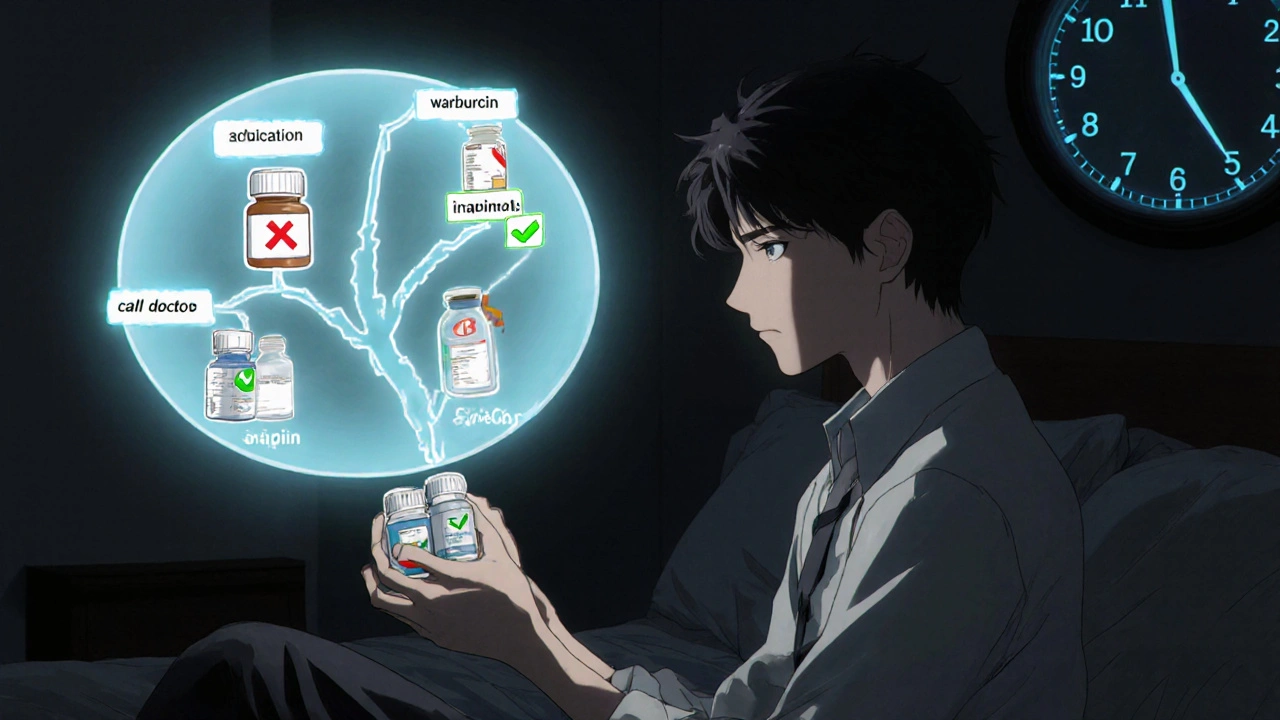
Medication Guidelines: Safe Use, Interactions, and Practical Rules
When you take a medication, you're not just swallowing a pill—you're entering a system of rules, risks, and hidden connections. Medication guidelines, official and practical rules for how to take drugs safely and effectively. Also known as drug use protocols, they cover everything from timing and dosage to what you should avoid mixing with your pills. These aren’t just doctor’s notes—they’re your personal safety net. Skip them, and even safe drugs can turn dangerous. Take them seriously, and you protect your health, your money, and your peace of mind.
One of the biggest gaps in medication safety isn’t about the drug itself—it’s about what else you’re taking. Drug interactions, when one substance changes how another works in your body. Also known as medication conflicts, they can turn a harmless coffee into a risk for your heart, or a common supplement into a trigger for bleeding. Caffeine can mess with thyroid meds. Garlic pills can thin your blood like aspirin. Even your probiotics might change how your antibiotics work. And it’s not just prescription drugs. Supplement interactions, harmful combinations between vitamins, herbs, and medications. Also known as nutrient-drug clashes, they’re often ignored because people assume "natural" means "safe." But St. John’s wort can cancel out birth control. Vitamin K can undo blood thinners. And ginkgo? It can turn a minor cut into an emergency. Then there’s the rise of generic drugs—cheaper, yes, but not always interchangeable. Generic medication safety, how to ensure a generic version works just as well and doesn’t cause hidden side effects. Also known as generic drug equivalence, it’s not just about price. Some generics have different fillers or release rates that affect how your body handles them, especially with thyroid meds, seizure drugs, or blood thinners.
These aren’t abstract ideas. They show up in real life: someone stopping statins because they think the muscle pain is the drug’s fault—when it’s actually fear. Someone with celiac disease skipping supplements and ending up with bone loss. Someone drinking coffee with their levothyroxine and wondering why their levels never stabilize. The posts below dive into these exact situations. You’ll find clear, no-fluff answers on how to avoid dangerous combos, how to spot fake meds, how to tell if your generic is working, and how to talk to your doctor without sounding like you’re questioning their judgment. Whether you’re managing chronic pain, taking blood thinners, or just trying to stay healthy with supplements, these guidelines aren’t optional. They’re your roadmap to staying safe, informed, and in control.