Drug Interactions with Vitamins: What You Need to Know
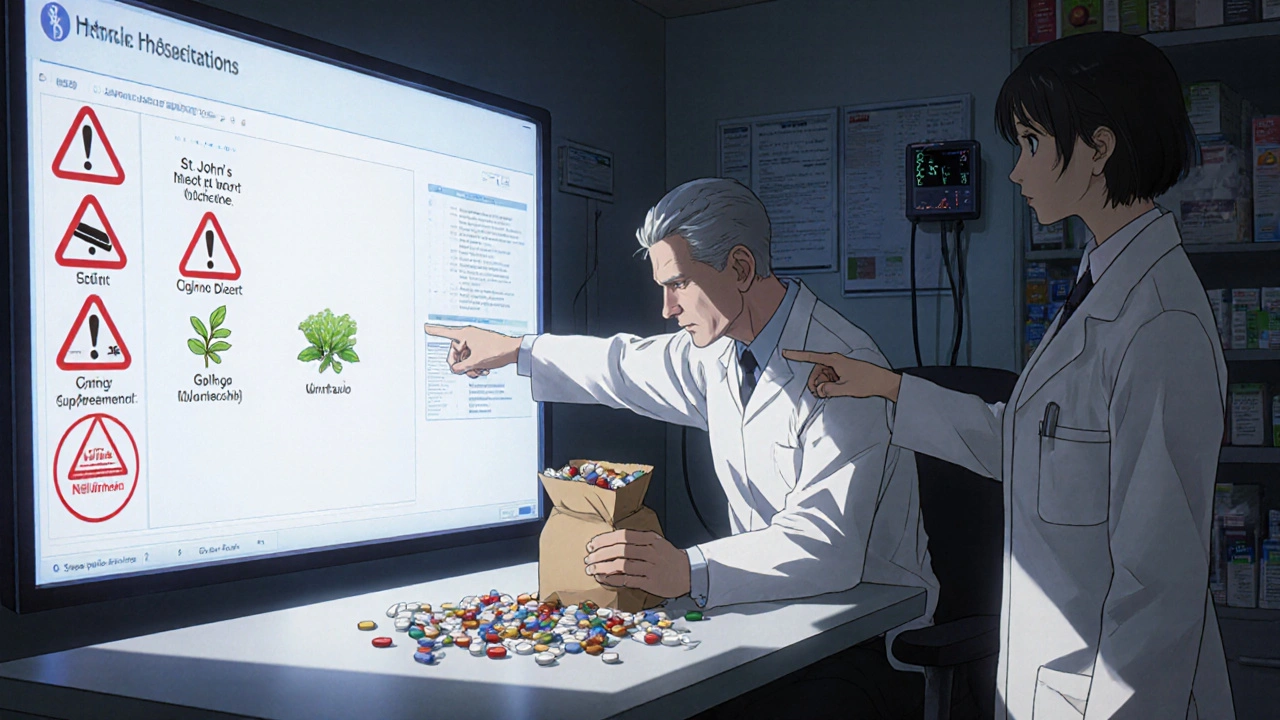
When you take drug interactions with vitamins, the unintended effects that happen when prescription medications and vitamin supplements affect each other in the body. Also known as nutrient-drug interactions, it's not just about whether something works—it's about whether it's safe. Many people think vitamins are harmless because they’re "natural," but that’s a dangerous myth. A daily multivitamin could make your blood thinner less effective, or boost the side effects of your cholesterol drug. It’s not magic—it’s chemistry.
Take vitamin K, a nutrient that helps your blood clot normally. If you’re on warfarin, a common blood thinner, too much vitamin K from supplements or leafy greens can undo the drug’s effect. Suddenly, your risk of stroke goes up. On the flip side, vitamin D, essential for bone and immune health. Also known as cholecalciferol, it can raise calcium levels in your blood. That’s fine for most people—but if you’re taking thiazide diuretics for high blood pressure, you could end up with dangerously high calcium, leading to kidney stones or heart rhythm issues. Even something as simple as calcium supplements, often taken for bone strength. Also known as calcium carbonate, it can block the absorption of antibiotics like tetracycline or thyroid meds like levothyroxine. If you take them at the same time, you might as well be throwing money away. And then there’s vitamin E, an antioxidant many take for heart or skin health. Also known as alpha-tocopherol, it can thin your blood even more when combined with aspirin or NSAIDs, raising the risk of bleeding. These aren’t rare cases. They’re common, and they’re preventable.
You don’t need to stop taking vitamins. You just need to know which ones to time differently, which ones to avoid with certain meds, and when to talk to your pharmacist. The posts below cover real examples: how vitamin D affects fibromyalgia treatment, why statins and certain antibiotics can cause muscle damage when mixed with supplements, and how gut health and probiotics interact with your prescription drugs. You’ll find practical guides on what to watch for, what to ask your doctor, and how to avoid dangerous mix-ups without giving up your daily routine. This isn’t theory—it’s what people actually run into, and how they fix it.