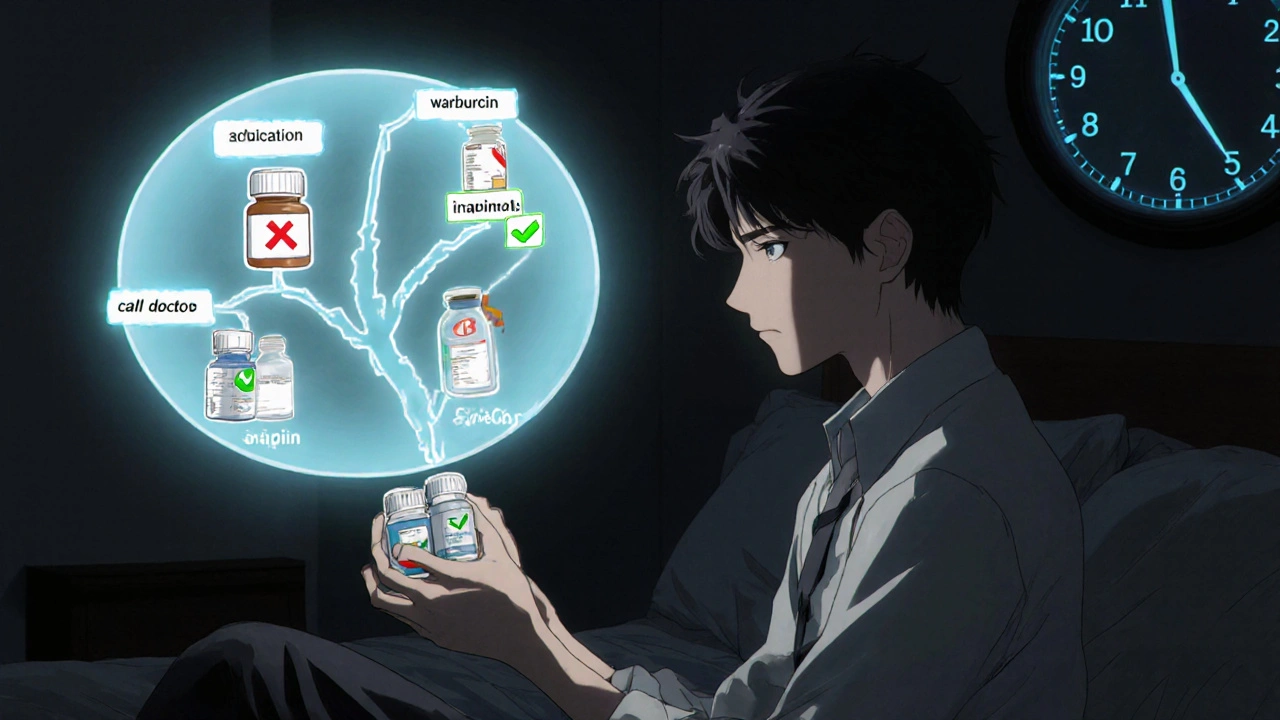
Drug Adherence: Why People Stop Taking Medications and How to Stay on Track
When doctors prescribe a medication, they expect you to take it as directed—but drug adherence, the consistent use of medication exactly as prescribed. Also known as medication adherence, it’s one of the biggest gaps between medical advice and real-world health outcomes. Half of all people prescribed long-term meds don’t take them properly. Not because they’re careless, but because the system doesn’t work for them. It’s not laziness. It’s confusion, cost, side effects, or just plain burnout.
Drug adherence fails for reasons no one talks about. You might skip a dose because the pill makes you dizzy, or because you can’t afford it, or because your doctor didn’t explain why it matters. Maybe you switched to a generic and noticed a change, but no one warned you what to watch for. Or maybe you’re on five different pills and lost track after the third refill. These aren’t edge cases—they’re everyday struggles. And they show up in posts about statin intolerance, PPI-related bone loss, and interactions between caffeine and thyroid meds. When your body reacts badly to a drug, your brain doesn’t care if it’s the medication or the nocebo effect—you just stop taking it. That’s nonadherence, when patients don’t follow prescribed treatment plans. And it’s why so many people end up back in the hospital.
It’s not just about remembering to take pills. It’s about trust. Trust that the drug won’t wreck your muscles like clarithromycin can with statins. Trust that your generic isn’t secretly different. Trust that your doctor isn’t just pushing pills to hit a quota. When you read about how to verify generic medicine packaging, or how to spot dangerous supplement interactions, you’re seeing the same theme: people need control. They need to understand what they’re taking, why, and what happens if they don’t. That’s the real key to treatment compliance, the degree to which a patient follows a prescribed treatment regimen. It’s not about willpower. It’s about clarity.
Below are real stories from people who’ve been there—people who stopped statins because they thought the pain was from the drug, not their fear. People who switched to generics and panicked when they felt different. People who didn’t know coffee could block their thyroid med. These aren’t abstract problems. They’re daily choices. And each post here gives you the tools to make better ones. You’ll find practical fixes, hidden risks, and simple ways to take control—so you don’t just take your meds, you actually stay healthy because of them.