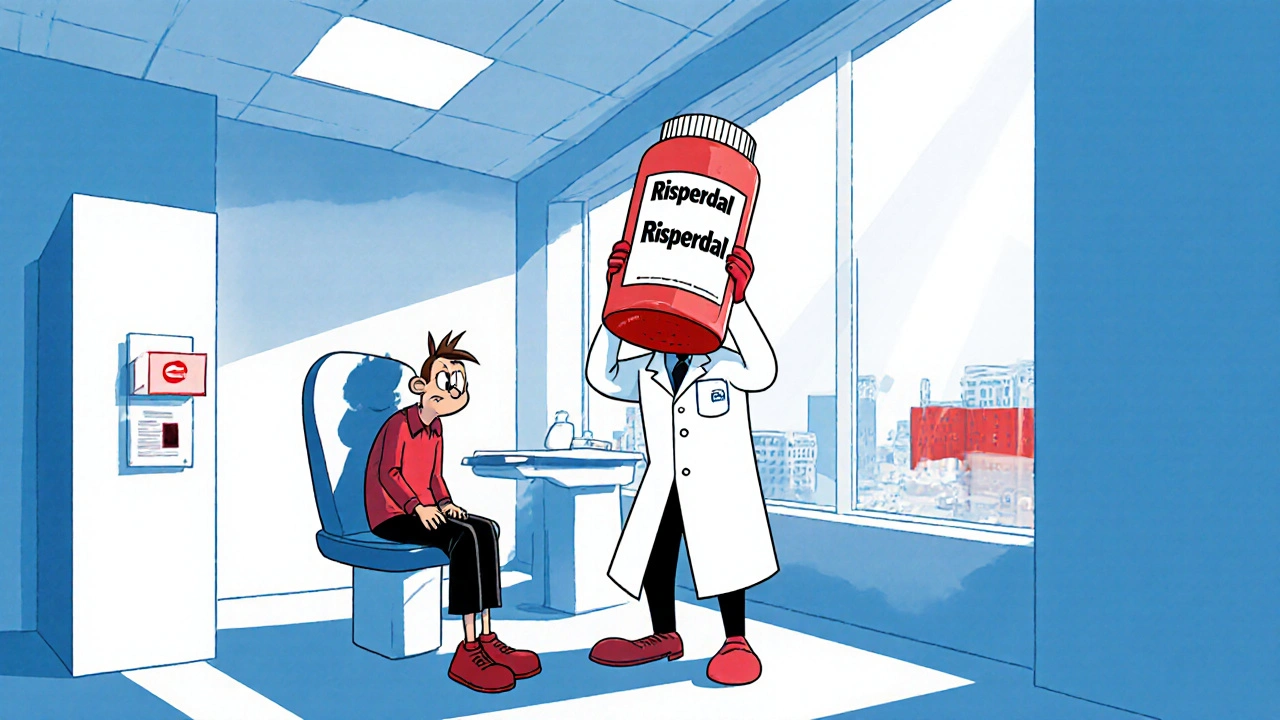
Antipsychotic Alternatives: What You Need to Know
When looking at antipsychotic alternatives, any medication, supplement, or therapeutic approach that can be used instead of standard antipsychotic drugs to control psychosis. Also known as non‑typical options for psychosis, these alternatives often aim to reduce side‑effects or target symptoms that typical antipsychotics miss.
Traditional antipsychotics, drugs that block dopamine receptors to calm hallucinations and delusions have been the backbone of treatment for decades, but they come with weight gain, metabolic changes, and movement disorders. That’s why clinicians and patients alike explore other routes. One major related condition is schizophrenia, a chronic brain disorder marked by psychotic episodes, cognitive deficits, and social withdrawal. Managing schizophrenia often requires a balanced mix of drugs, therapy, and lifestyle changes.
Why Look Beyond the Classics?
Many people turn to antipsychotic alternatives because they need a better side‑effect profile or because traditional meds haven’t worked. For instance, mood stabilizers, agents like lithium or valproate that smooth out mood swings and can dampen psychotic bursts are sometimes added or swapped in. The idea is simple: “If dopamine blockade is too harsh, try a different mechanism.” This approach often means blending atypical antipsychotics, which target serotonin as well as dopamine, with non‑antipsychotic drugs that modulate glutamate or GABA pathways.
Another key entity is the atypical antipsychotics, second‑generation drugs that usually cause fewer motor side effects than older agents. While still technically antipsychotics, they sit at the crossroads of traditional and alternative strategies. Their broader receptor profile can make them a bridge to fully non‑antipsychotic options, especially when combined with cognitive‑behavioral therapy or lifestyle interventions like exercise and diet adjustments.
Beyond pharmaceuticals, some clinicians recommend supplements such as omega‑3 fatty acids, N‑acetylcysteine, or even low‑dose THC derivatives. The evidence is still emerging, but early studies suggest they may lessen psychotic intensity without the heavy sedation of classic drugs. These supplements illustrate how the field is moving toward a more holistic view, where biological, psychological, and social factors all play a role.
Choosing the right alternative isn’t a one‑size‑fits‑all decision. It depends on the patient’s age, comorbid conditions, genetic makeup, and personal preferences. For example, a young adult worried about weight gain might favor a mood stabilizer plus therapy, while an older patient with cardiovascular risk could benefit from a low‑dose atypical with a gentle metabolic profile. The decision tree often looks like this: diagnose the core disorder (schizophrenia, bipolar with psychotic features, etc.), assess previous drug response, then map the side‑effect landscape before selecting an alternative route.
Below you’ll find a curated list of articles that dive into specific drug comparisons, safety tips, and practical guides. Whether you’re a patient, caregiver, or healthcare professional, the resources will help you weigh benefits against risks and make an informed choice about antipsychotic alternatives.