Esketamine Treatment Eligibility & Timing Tool
Step 1: Blood Pressure Check
Step 2: Session Estimation
Estimated Session Schedule:
If you've tried multiple antidepressants and still feel like you're stuck in a fog, you've probably heard about Esketamine Nasal Spray is a rapid-acting antidepressant used for treatment-resistant depression (TRD). Unlike the typical pills that take weeks to kick in, this medication works on the glutamate system to shift your mood almost immediately. However, it's not a "take it at home" drug. Because it can cause a strange feeling of detachment and a spike in blood pressure, it comes with some of the strictest monitoring rules in the pharmacy world.
What Exactly is Esketamine?
Developed by Janssen Pharmaceuticals, this drug (sold under the brand name Spravato) was approved by the FDA in 2019. It's designed for adults with Major Depressive Disorder who haven't seen results from at least two different antidepressants.
While most antidepressants target serotonin or norepinephrine, esketamine is an NMDA receptor antagonist. In plain English, it blocks specific receptors in your brain to stop an overabundance of glutamate, which essentially "resets" the neural connections. Because it's absorbed through the nasal lining, it hits your system fast, reaching peak concentration in about 20 to 40 minutes.
Dealing with Dissociation: The "Dream-Like" State
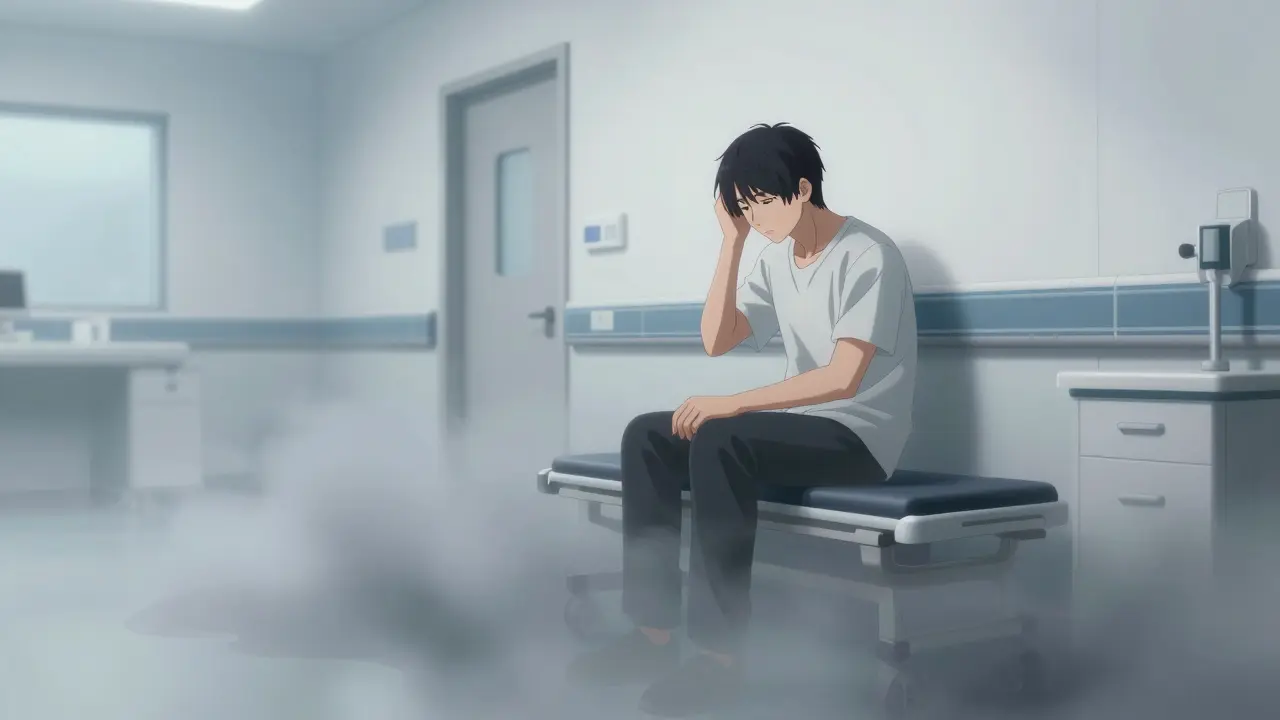
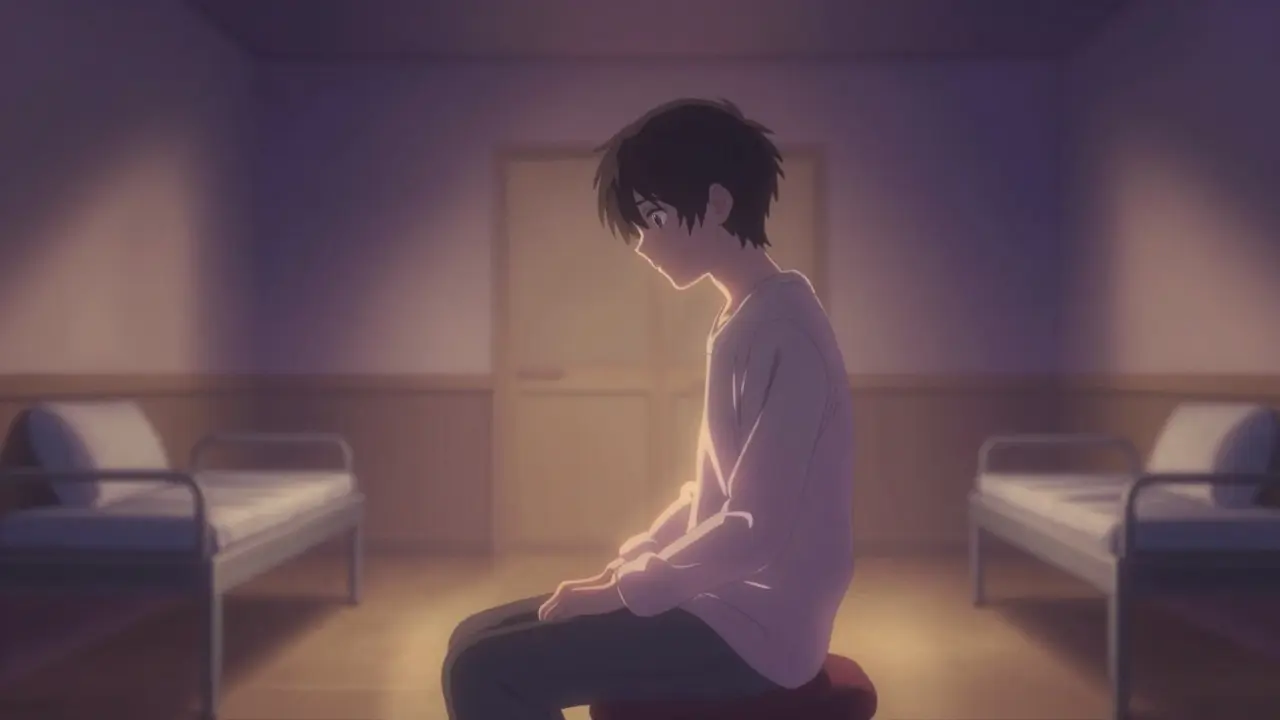
The most talked-about side effect is dissociation. This isn't just a bit of dizziness; for many, it feels like being detached from your body or as if the world around you isn't real. In clinical trials, over 56% of patients reported this effect. It usually peaks around 40 minutes after the spray and wears off within two hours.
Is it scary? It can be the first time. But for most, it's a manageable, temporary state. Some patients describe it as being in a dream. Interestingly, the intensity often drops after a few sessions. For instance, someone might feel completely detached during their first dose but only feel mild lightheadedness by their fourth visit. To keep things calm, clinics usually dim the lights and keep the environment quiet to prevent the sensation from becoming overwhelming.
The Blood Pressure Spike
Another key thing to watch is your blood pressure. Esketamine can cause a transient rise in both systolic and diastolic pressure. Roughly 33% of patients experience this, with systolic jumps ranging from 14 to 23 mmHg.
For a healthy person, a temporary spike is usually fine. However, if you already struggle with Hypertension, this is a serious consideration. In fact, if your blood pressure is uncontrolled (specifically over 160/100 mmHg), you might be ineligible for the treatment. This is why the clinical staff is so focused on your arm cuff-they need to ensure your heart can handle the temporary surge.
| Side Effect | Frequency | Peak Timing | Typical Duration |
|---|---|---|---|
| Dissociation | ~56% | 40 Minutes | 1.5 to 2 Hours |
| BP Elevation | ~33% | 40 Minutes | 1.5 to 2 Hours |
| Sedation | Moderate | Variable | Short-term |
The REMS Program: Why You Can't Use It at Home
You can't just pick up a prescription for Spravato at a local chemist and head home. It is governed by the Risk Evaluation and Mitigation Strategy (REMS). This is a safety program that ensures the drug is only used in certified healthcare settings.
Why the fuss? Because of the potential for sedation and those blood pressure spikes, the FDA requires you to be monitored for at least two hours after every dose. Your vitals are checked every few minutes at first, and clinicians use tools like the CADSS (Clinician-Administered Dissociative States Scale) to track how "out of it" you are. This structured approach turns a potentially risky experience into a safe medical procedure.

What to Expect During Your Appointment
A typical session takes about 2 hours and 15 minutes. Here is the usual flow:
- Pre-Check (15 mins): Staff check your baseline blood pressure and mental state.
- Administration (5 mins): You self-administer the spray under a nurse's supervision.
- The Observation Window (2 hours): This is the bulk of the visit. Your blood pressure is checked every 5-10 minutes for the first half hour, then every 15-30 minutes.
- Clearance: Once your vitals are stable and the dissociation has faded, you're cleared to leave.
Pro tip: Since you'll be spending a few hours in a clinic, bring a book or a podcast, but be prepared for the staff to interrupt you for those regular BP checks.
The Trade-Off: Risk vs. Reward
Some critics argue that the REMS requirements make the drug too hard to access, especially for people in rural areas. But for someone who has failed five different medications and is struggling to function, a two-hour clinic visit is a small price to pay for a drug that actually works. Experts note that the rapid antidepressant effect-sometimes appearing within hours-is a game-changer for people in acute distress.
Looking ahead, there's some good news. Recent data from the SUSTAIN-2 trial suggests that for some patients, the monitoring time could eventually be cut down to one hour if they show stable vitals and minimal dissociation. We are moving toward a more personalized approach where the clinic knows your specific reaction and adjusts the observation time accordingly.
Does the dissociation feeling go away over time?
Yes, many patients report that the intensity of dissociation decreases with repeated treatments. While the first few sessions might feel intense, later sessions often involve only mild dizziness or a slight sense of detachment.
Can I take Esketamine if I have high blood pressure?
It depends on how well your blood pressure is controlled. If your systolic BP is over 160 mmHg or diastolic is over 100 mmHg at screening, the drug is generally contraindicated. You should discuss your cardiovascular history thoroughly with your doctor.
How long do I have to stay at the clinic?
The standard REMS protocol requires a minimum of 2 hours of monitoring after administration to ensure your blood pressure and mental state return to baseline.
Is Esketamine a replacement for my daily antidepressant?
No, it is intended to be used in conjunction with an oral antidepressant. It is an add-on therapy, not a standalone replacement.
What happens if the dissociation is too intense?
Clinics are equipped to handle severe dissociation by providing a calm, low-stimulus environment. In rare cases, benzodiazepines may be administered as rescue medication to help the patient settle.